
Last updated November 22, 2026
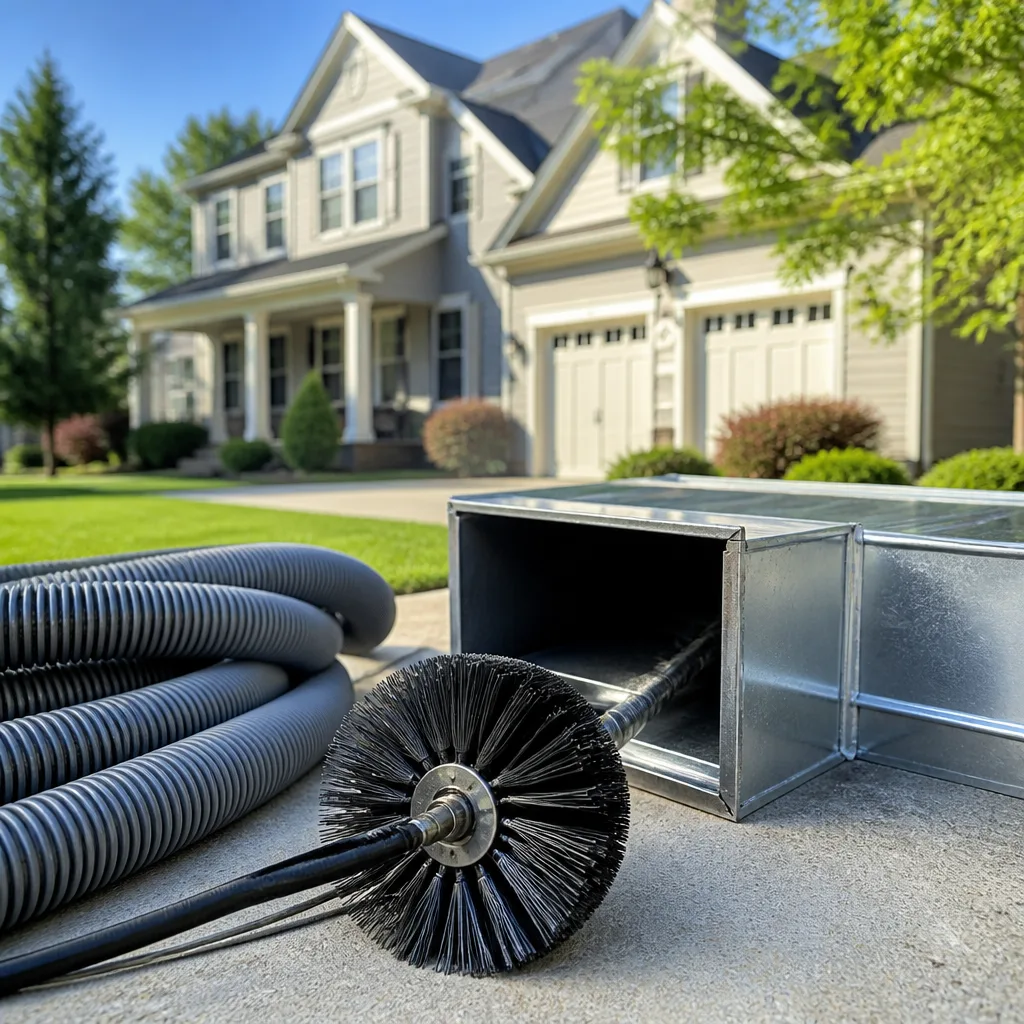 Whole-home duct cleaning
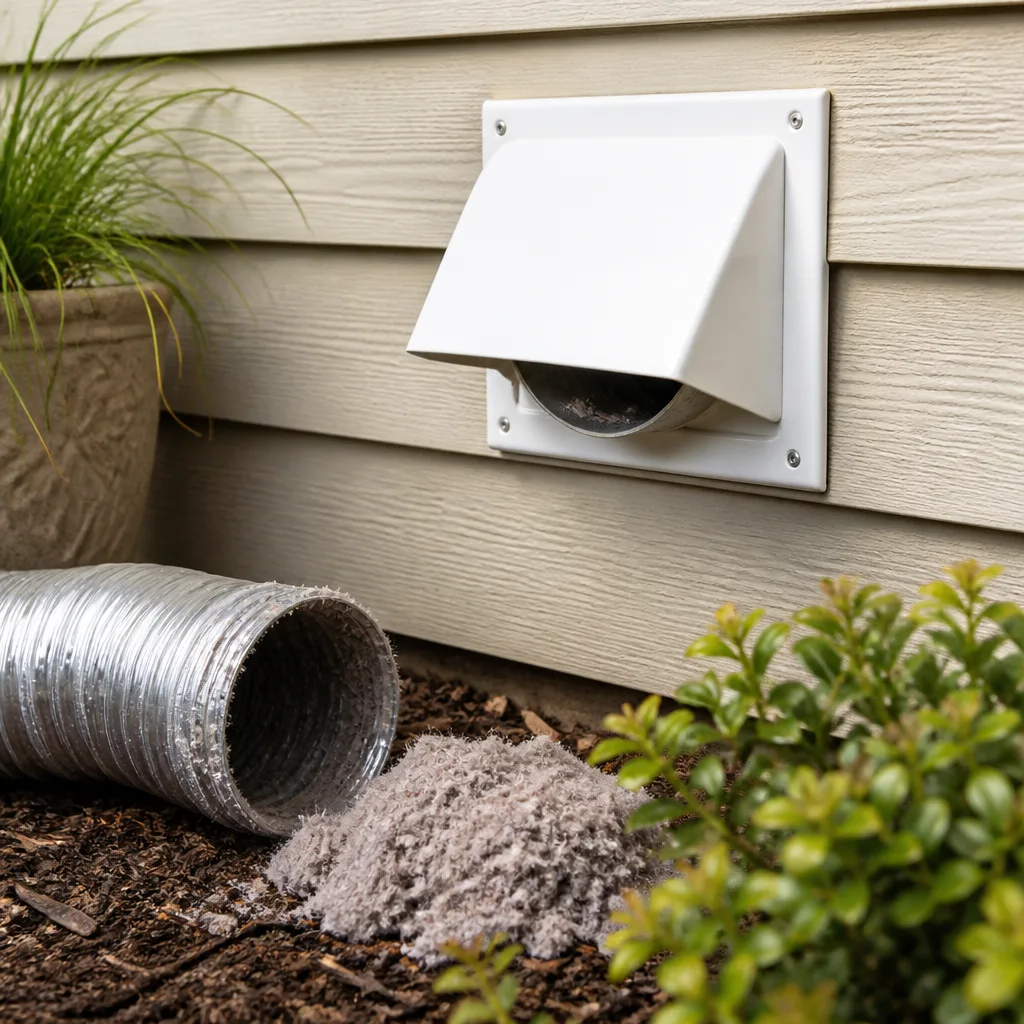 Dryer vent cleaning
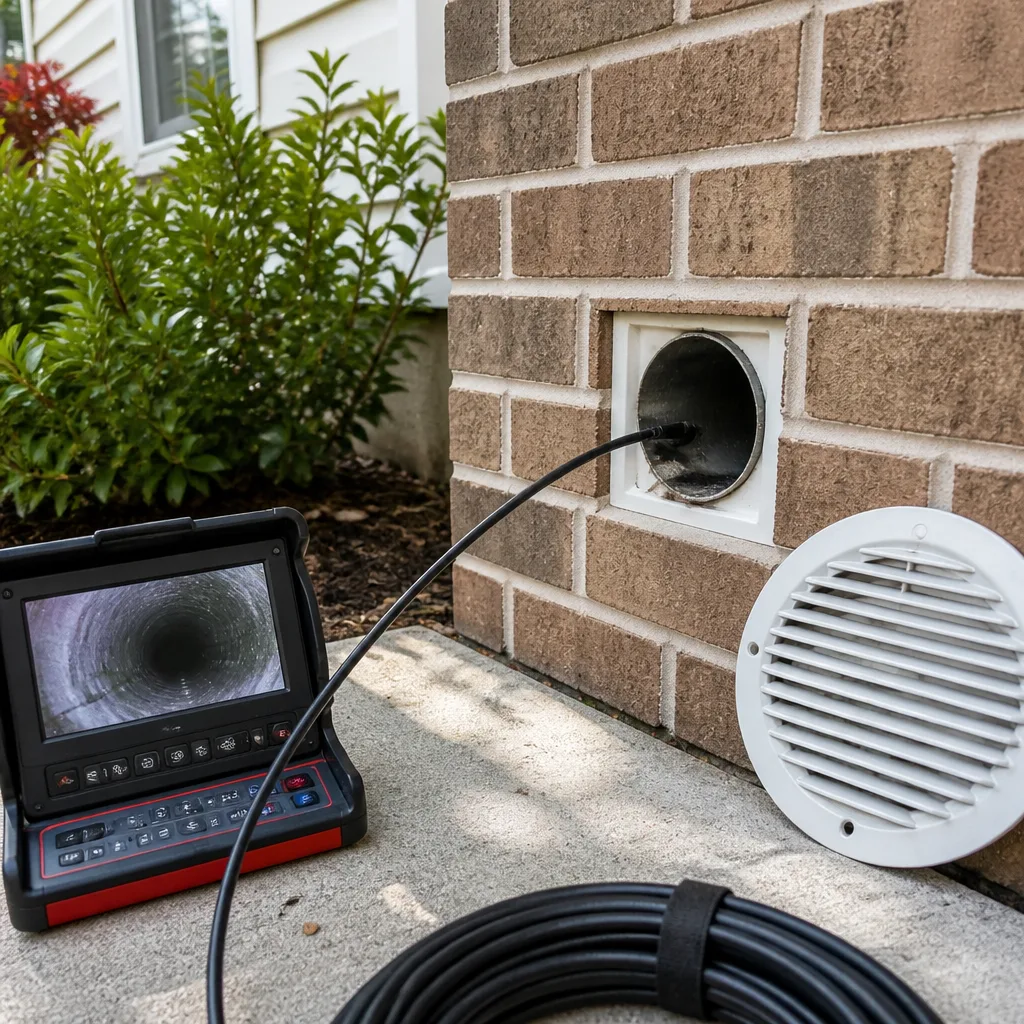 Camera inspection
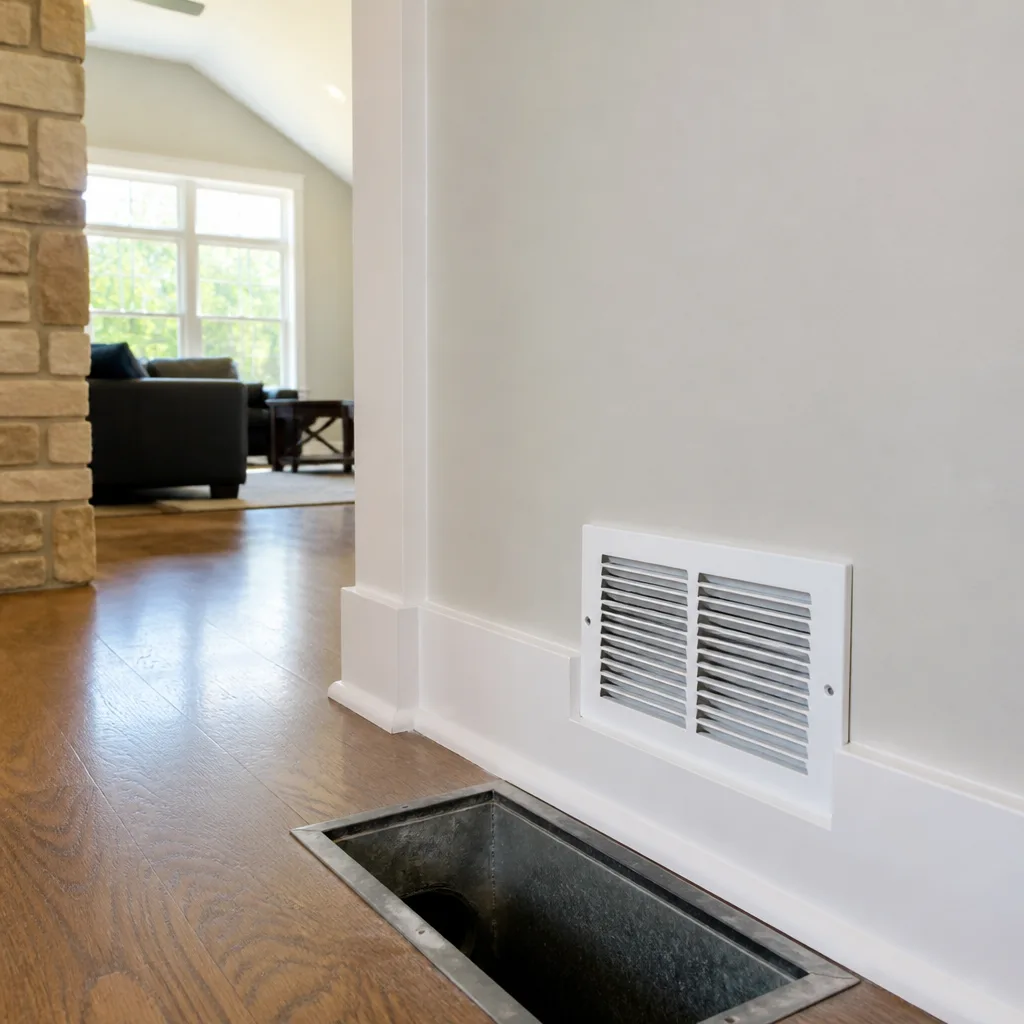 Sanitizing & deodorizing
Whole-system duct and dryer vent check with before-and-after photos - you see exactly what came out of your vents
That "$99 whole-house special" is a bait ad - the real number appears once they are in your hallway, or the "clean" is a shop-vac at the register. We photograph the inside of your ducts before and after instead.
Air Duct Cleaning Maintenance Schedule: What to Do and When
The 3-to-5-year cleaning interval you’ve read everywhere was never based on engineering data. It started as industry marketing in the 1990s and has been copied from one website to the next ever since, regardless of whether you live in a studio near Broadway Junction or a two-family off New Lots Avenue with a dog and a basement workshop. The truth is that duct systems in East New York don’t degrade on a calendar. They degrade at a rate set by building age, how many people and pets share the space, how hard the HVAC system runs, and what’s floating in the air outside. This guide gives you a condition-based maintenance schedule you can actually build around your own home, and shows you what to do and when.
Quick Answer
There is no universal air duct cleaning interval. Most East New York homes need a maintenance cleaning every 3 to 5 years under normal conditions, but that window can shrink to 2 years with pets, smokers, allergy sufferers, or heavy HVAC use, or stretch beyond 5 years in a low-occupancy home with a well-sealed system. The right schedule is set by inspecting the system, not by watching a clock.
Styles & brands we work with
- Whole-home duct cleaning
- Dryer vent cleaning
- Camera inspection
- Sanitizing & deodorizing
Table of Contents
- Why the 3-to-5-Year Rule Is Wrong
- Building Your Own Decision Matrix
- Maintenance Cleaning vs. Remediation Cleaning
- The Layered Maintenance Program
- Dryer Vent and Bathroom Exhaust Schedules
- How Inspection Creates a Documented Baseline
- A Seasonal Calendar for East New York
Why the 3-to-5-Year Rule Is Wrong
The “clean every 3 to 5 years” line gets repeated because it’s easy to say, not because anyone measured it. Duct contamination is a physical process. Dust settles, moisture feeds biological growth, renovation debris gets pulled in, and filter bypass lets particles coat the heat exchanger and the trunk line. How fast any of that happens depends on the specific system and the specific building. A century-old East New York rowhouse with leaky return ducts and a coal-era crawlspace is a completely different situation from a recently renovated unit in a newer building near the Gateway Center.
We’ve seen the difference up close. Our technicians have up to 13 years of experience, and the range of conditions they encounter in East New York alone is enormous. The practical point is simple: a fixed interval treats every home the same, and they aren’t. What you want is a schedule that responds to what your system is actually doing.
Here’s what changes the timeline most:
- Occupancy density. More people means more skin cells, hair, and fabric fibers moving through the return air. A four-person household loads a system faster than a single occupant in the same square footage.
- HVAC runtime hours. The more the system runs, the more air passes through the ducts and the faster contamination accumulates. Climate and thermostat habits both matter here.
- Building envelope quality. Leaky, unsealed ducts pull in unconditioned air from basements, attics, and crawlspaces, dragging all the debris that comes with it.
- Filter discipline. A system with a bypassing filter or a filter that gets neglected coats everything downstream. That’s what professional-grade cleaning exists to remove.
Once you accept that the interval is a variable, the next step is to build your own number.
Building Your Own Decision Matrix
You can estimate your own cleaning interval with a simple point system. Start at 5 years and subtract months for each condition that applies, or add them back for conditions that buy you time. The result gives you a realistic starting point you can refine after a professional inspection.
Use this as a working list:
| Condition | Effect on Interval |
|---|---|
| One or more pets in the home | Subtract 12 to 18 months |
| Smoker in the household | Subtract 12 to 18 months |
| Recent renovation or still in progress | Subtract 18 to 24 months |
| Allergy or asthma sufferer in the home | Subtract 12 to 24 months |
| Building older than 50 years | Subtract 12 months |
| HVAC runs most of the year | Subtract 6 to 12 months |
| Unsealed or damaged ducts | Subtract 18 to 24 months |
| Low occupancy, well-sealed system, good filtration | Add 12 to 24 months |
Add up the modifiers and you’ll land somewhere between 18 months and 7 years. In East New York, where many homes are older, densely occupied, and often mid-renovation, most households land in the 2-to-4-year range. That’s a more honest starting point than a rule of thumb pulled from a marketing brochure.
Two caveats. First, the matrix is a starting estimate, not a diagnostic. An inspection confirms where you actually sit. Second, if you’re already having symptoms like visible dust at the registers or musty odors when the system starts, you don’t need a matrix. You need a cleaning.
Maintenance Cleaning vs. Remediation Cleaning
This distinction matters more than almost any other, and most homeowners don’t know it exists. A maintenance cleaning keeps a reasonably clean system clean. A remediation cleaning reverses years of neglect. The two require different equipment, different methods, and different price points, and a company that only does one of them will try to sell you that one regardless of what your system actually needs.
Maintenance Cleaning
This is the scheduled service in a system that’s already been cleaned or well maintained. The technician contact-cleans the accessible ductwork, extracts remaining debris, checks the registers and grilles, and confirms the filters are seated correctly. It’s faster and less invasive, and the goal is to preserve a clean baseline rather than reverse a problem.
Remediation Cleaning
This is what a neglected system needs, especially after renovation dust or a water event. It requires aggressive contact cleaning and high-efficiency particulate extraction, and often sanitizing afterward with Abatement Technologies protocols to treat biological contaminants. Equipment quality becomes the whole story here. A shop vac and a promise doesn’t get there. professional-grade equipment like Rotobrush and Nikro is the standard for a reason: it can be verified, photographed, and repeated.
Your duct system is only as clean as the method used to clean it. That sentence is the whole argument for remediation-grade equipment. If a company can’t tell you what standard its system was cleaned to, assume it’s maintenance at best. For a service that covers both ends of the range, you can schedule professional duct work in East New York and let an inspection decide which category your home falls into.
The Layered Maintenance Program
The mistake most people make is treating duct cleaning as a single event. A real program has layers on different timelines, from a filter check you do yourself every month to a full duct inspection every two years. Each layer catches something the others miss.
Monthly: Filter Check
Check the filter every month and replace it on the manufacturer’s recommended interval, more often during heavy HVAC months or when the filter looks visibly loaded. Confirm it fits snugly with no bypass gaps along the edges. A filter that’s loose is barely a filter, and it lets contamination reach the ductwork, blower, and coil.
Quarterly: Register and Grille Check
Every three months, walk the house and look at each supply and return register. Wipe the grille face with a cloth. If the cleaning cloth comes back heavily loaded, or the grille has visible dust buildup within days, that’s a signal the ducts themselves are feeding it. Note the returns especially, since they see the heaviest dust load.
Twice a Year: Dryer Vent and Exhaust Check
Check the dryer’s lint trap and downstream vent for reduced airflow about every six months. Run the bathroom exhaust and confirm it’s actually moving air. These are separate systems from the main ductwork and they fail on their own schedule, often without anyone noticing until the airflow drops.
Every Two Years: Full Duct Inspection
A professional inspection with camera logging establishes where the system is and whether a cleaning is due. At this interval, small issues like a detached joint or a torn liner get caught before they become a full remediation job.
Every 2 to 5 Years: Cleaning
The cleaning interval itself follows the matrix you built earlier. Maintenance cleanings for well-kept systems, remediation for catch-up situations, all timed by inspection rather than by the calendar.
- Monthly: check and replace the filter, verify fit.
- Quarterly: clean and inspect every register.
- Twice yearly: check dryer vent airflow and bath exhaust.
- Every two years: professional camera inspection and documentation.
- Every 2 to 5 years: cleaning, timed to your matrix and to inspection results.
Dryer Vent and Bathroom Exhaust Schedules
These are the duct systems in your home that get ignored the longest and matter most. A clogged dryer vent is one of the leading causes of residential fires, and in East New York’s dense multifamily housing, where vents run long distances through interior walls and shared shafts, the risk compounds. If your dryer takes longer to dry a load than it used to, or the exterior vent flap barely opens, stop and have the vent checked before you use the appliance again.
For most homes, professional dryer vent cleaning every 12 to 24 months keeps the run clear. Shorter intervals apply if you run the dryer heavily, if the vent is long or has multiple elbows, or if you notice lint gathering around the vent opening. Bathroom exhaust ductwork also collects lint and dust. It lacks a lint trap and relies on airflow to stay clear, so professional cleaning every one to two years is a sensible baseline, and sooner if you notice streaks on the ceiling or persistent moisture after showers.
Both of these are also inspection points. A technician checking the dryer vent can note its length, elbow count, and whether the duct is damaged or disconnected. A bath exhaust check reveals backdrafting and broken duct runs, which no amount of cleaning fixes. These are the same categories that the wider HVAC cleaning service covers, and it’s smart to have them handled in one visit rather than in separate ones.
How Inspection Creates a Documented Baseline
This is where professional air duct cleaning differs from what a lot of companies offer. With a camera on a Rotobrush or Nikro system, the technician can see the inside of the ductwork before cleaning, log what’s there, and compare it to what’s there after. That photo and video record gives you two things a calendar never can: evidence that the work was actually done, and a documented baseline to plan the next cleaning against.
Here’s what that inspection produces:
- Recorded footage of the duct interior before and after cleaning.
- Notes on duct condition, joint integrity, and any damage to seal or repair.
- Confirmation of the blower, coil, and plenum condition.
- A documented date and condition so the next interval is timed to reality.
Over time, those records tell you whether your cleaning interval is right. If your system goes two years and the inspection shows it barely dirty, you can lengthen the cycle. If it’s loaded again in 18 months, you shorten it. That’s how you replace a calendar guess with actual condition-based planning, and it’s the honest way to do this work. For homeowners already running Honeywell or Aprilaire equipment, the inspection also confirms the air quality hardware is operable and correctly installed. If the filtration or humidification side is degraded, cleaning the ducts without checking it would be incomplete.
The same principle applies to what we call duct repair and sealing. Cleaning removes the contamination; sealing and repair solve the underlying reason it got in. If the inspection finds disconnected joints, torn flex duct, or leaky plenum connections, those get fixed in the same visit. That’s why we describe our own approach as clean, sealed, sanitized, in that order. A single provider handling diagnosis, cleaning, and structural correction means the system actually reaches stable condition, so the next maintenance cycle is based on a sound starting point.
A Seasonal Calendar for East New York
A maintenance schedule works best when it’s tied to the seasons. East New York’s summers are humid, and winters are cold enough that the heating system runs hard from November through March. That shapes when to inspect and when to clean.
- Late winter or early spring: ideal for the biennial inspection, after the heating season has loaded the system and before cooling season starts.
- Before the cooling season: the best window for a cleaning if one is due, so you start with a clean system heading into heavy use.
- Early fall: good for dryer vent and bathroom exhaust checks before winter, when windows stay closed.
- Throughout high-humidity months: watch for musty odors, which can indicate moisture reaching the ducts and a reason to inspect sooner.
Renovation is the seasonal wild card. If you’re doing work on an East New York home, schedule a cleaning and inspection after the last of the dust settles, not before. Finishing a job with ducts full of drywall dust means you’ve just spent the money to clean a system that’s now contaminated again. A short delay and a plan is the better call.
Common Mistakes to Avoid
- Following the 3-to-5-year rule blindly. Your building, occupants, and system set the interval. A calendar doesn’t. Use the matrix, then confirm with an inspection.
- Treating cleaning as the whole job. If the ducts are leaking or disconnected, cleaning alone won’t keep them clean. Repair and sealing close the loop.
- Letting the filter slide. A filter that’s too small or not seated is not filtering. The contamination bypasses into the duct system and gets harder to remove.
- Ignoring the dryer vent. In dense East New York multifamily buildings, vent runs are long and lint loads build quickly. Treat vent cleaning as safety work, not decoration.
- Skipping the bath exhaust check. Moisture carried into the ducts can feed biological growth. If the exhaust is broken or disconnected, clean ducts will degrade again.
- Cleaning before renovation, then forgetting. Drywall dust and construction debris defeat a cleaning done too early. Schedule it for after the dust settles.
- Never asking what equipment was used. The standard of cleaning matters. Ask whether professional-grade extraction (Rotobrush, Nikro) or a shop vac was used, and ask to see before-and-after photos of your own ductwork.
See the difference
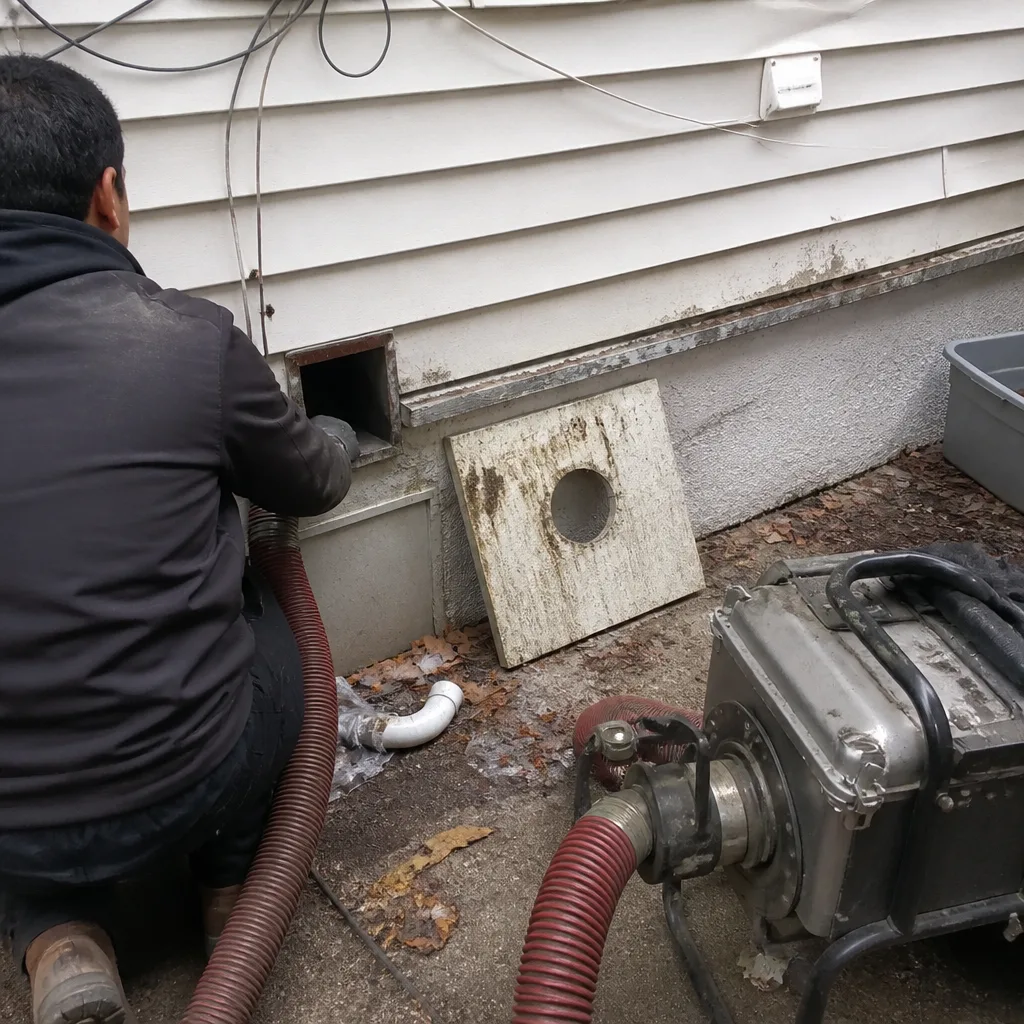 Before
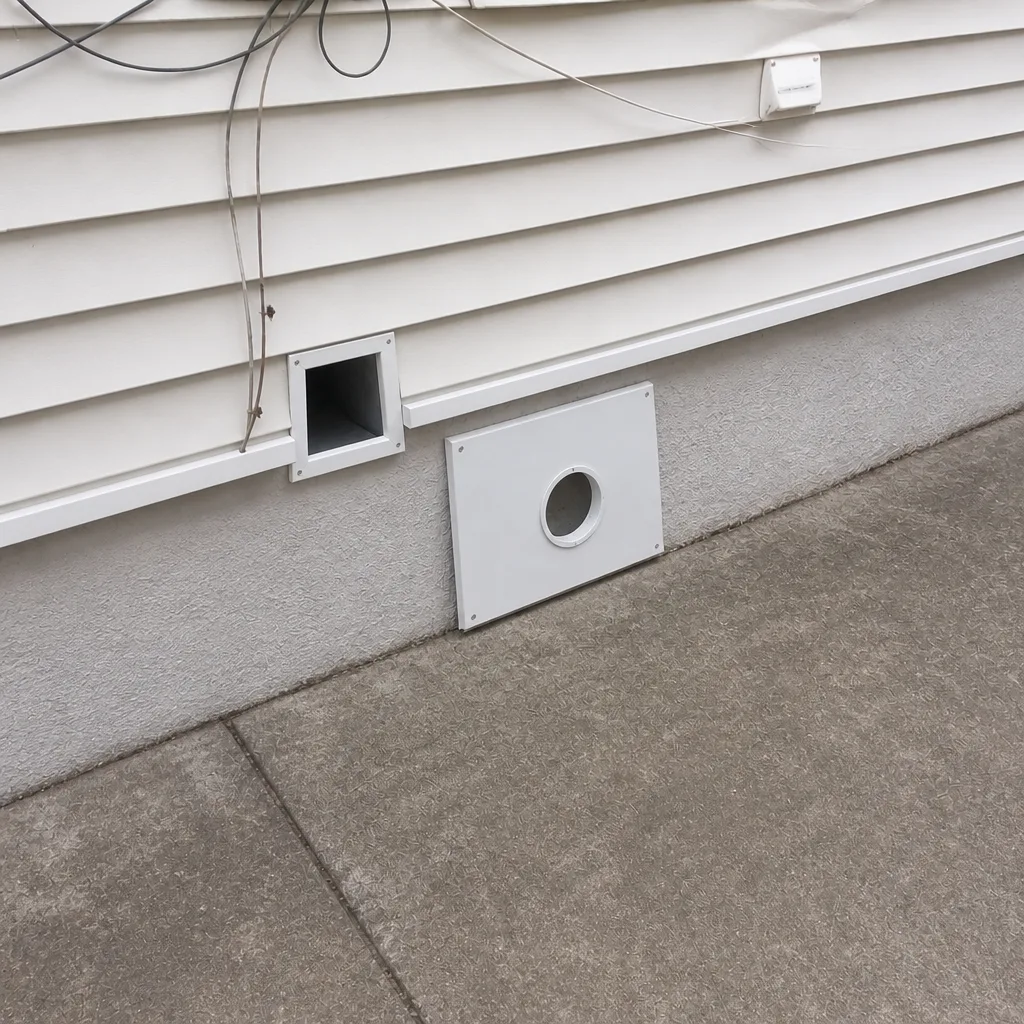 After
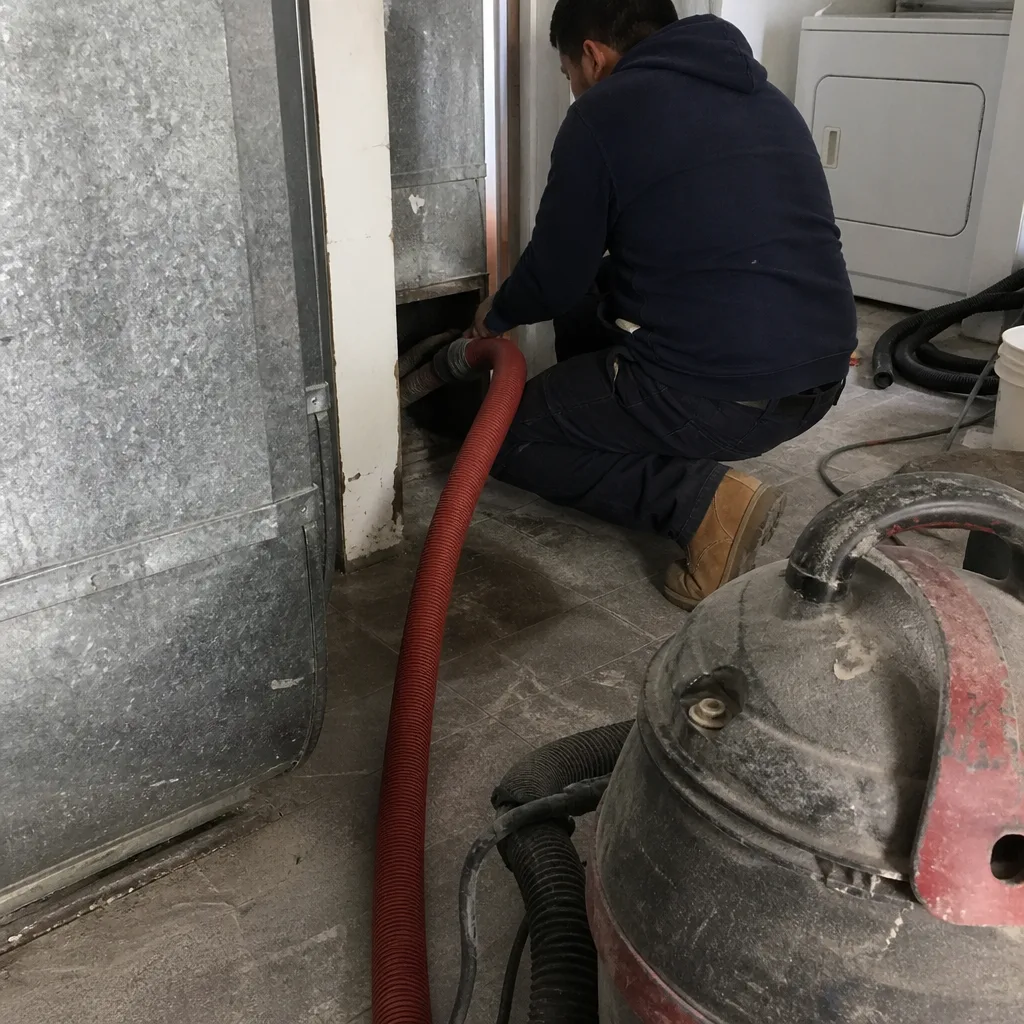 Before
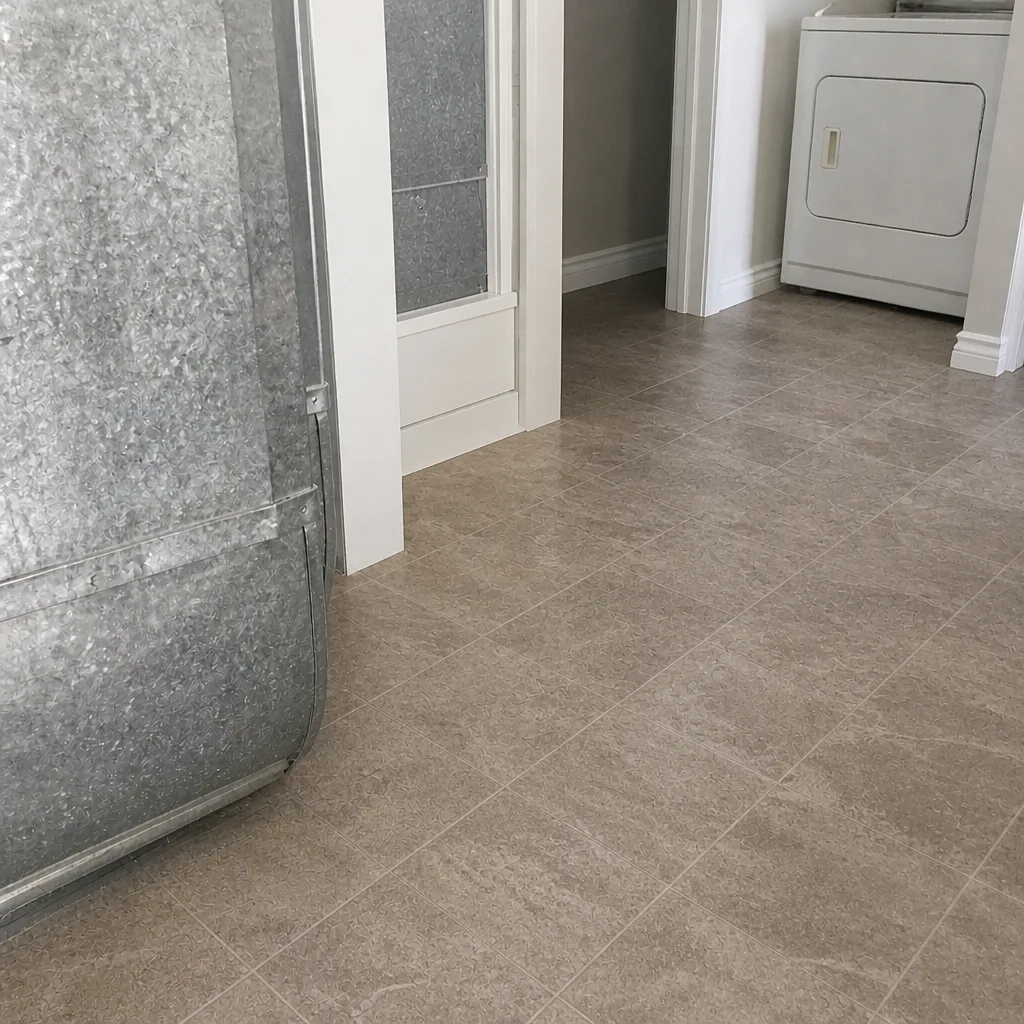 After
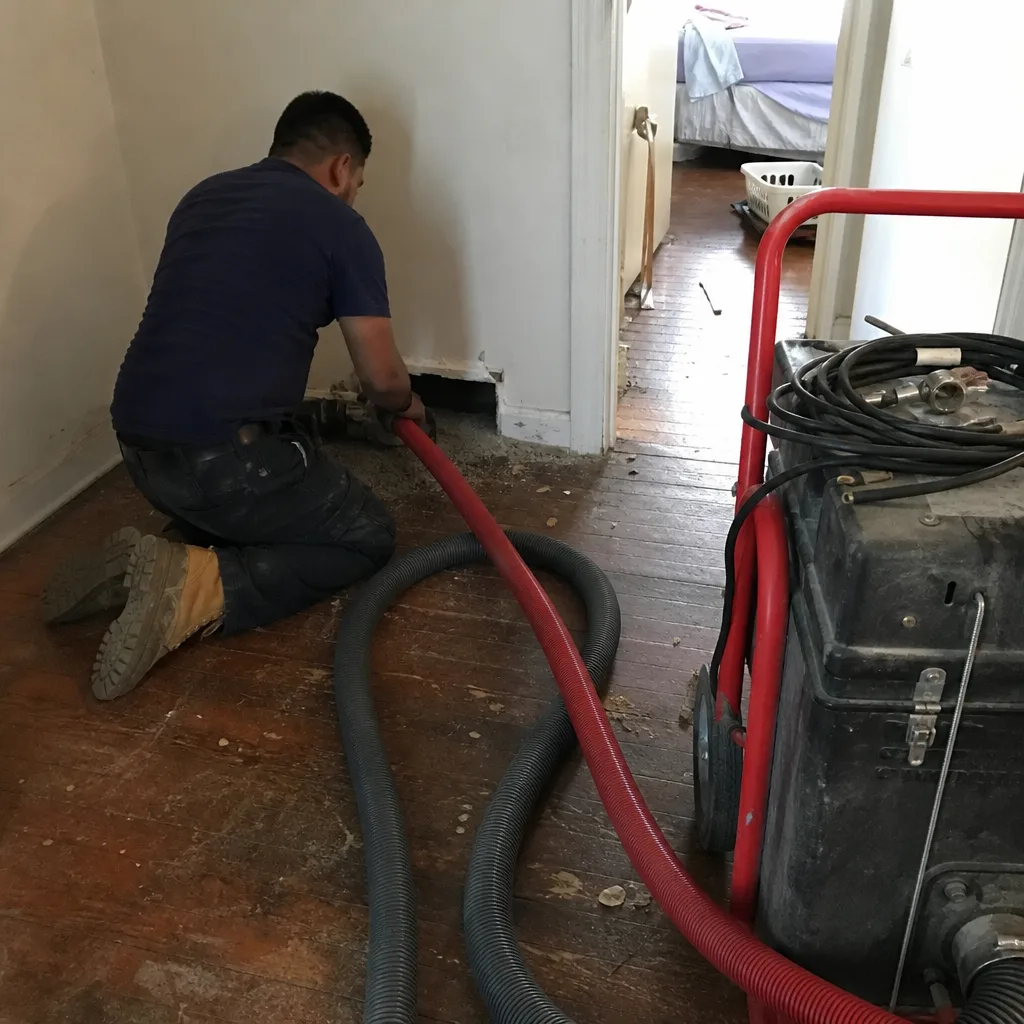 Before
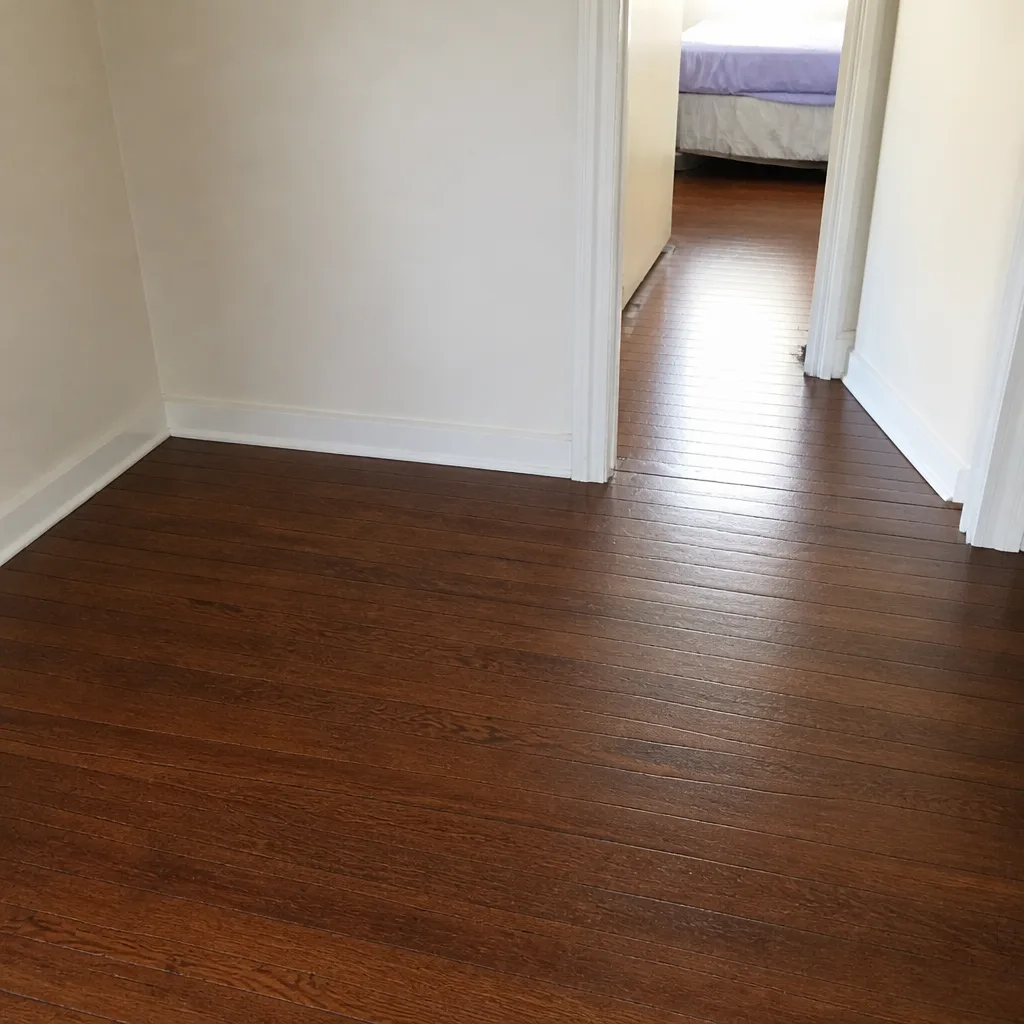 After
When to Call a Professional
Some signs mean the schedule can wait. Others don’t. Call a professional when you find visible dust continuously reappearing at registers within days of cleaning, when the system starts with a musty or burnt odor, when the dryer takes noticeably longer to dry a load or the exterior vent flap barely opens, when a renovation has just finished, or when you’ve never had the ducts inspected and the building is older. Camera inspection with professional equipment tells you definitively what condition the system is in, and it produces a documented baseline you keep. Air Duct Cleaning East New York offers free estimates in East New York; call (833) 362-3254. We answer 24/7. Fast dispatch from 7am to 7pm, Sunday through Friday.
Frequently Asked Questions
Most East New York homes need a cleaning every 3 to 5 years under normal conditions, and every 2 to 4 years in households with pets, smokers, allergy sufferers, or heavy HVAC use. The important part is that the interval comes from an inspection and your own conditions, not from a universal rule. Call (833) 362-3254 for an exact quote. Estimates are free.
Pricing is set per job by written estimate, based on the layout, number of runs, and condition of the system. That per-job pricing is the honest way to buy this service, because a per-vent price leaves the hard parts out. Ask for the written estimate before any work starts. Call (833) 362-3254 for a free estimate.
Because what’s promised often isn’t what gets done. Coupon pricing sometimes means a shop vac and surface brushing, with no professional-grade extraction and no camera documentation. A quote that doesn’t include before-and-after photos of your own ductwork is worth asking harder questions about. Call (833) 362-3254 to get a real estimate based on your system.
Ask for camera documentation before and after the cleaning. With Rotobrush or Nikro systems, the technician can capture footage of the duct interior and show you the difference, which is verifiable in a way a receipt never is. Call (833) 362-3254 to request a documented cleaning.
Every 12 to 24 months in most homes, and every 12 months or sooner if the dryer runs heavily, the vent is long, or you notice slower drying times. In East New York’s multifamily buildings, long vent runs through shared walls make this safety-critical work. Call (833) 362-3254 for an estimate.
Often, yes, but only if the cause is removed. Musty odors usually mean moisture reaching the ductwork, which may point to a bath exhaust problem, a leak, or biological growth inside the ducts. A full cleaning and sanitizing with Abatement Technologies protocols addresses the contamination, and repair to the underlying cause keeps it from coming back. Call (833) 362-3254 to get it diagnosed.
The Bottom Line
The real maintenance schedule for your air ducts isn’t 3 to 5 years, it’s whatever your building, occupants, pets, and system conditions dictate. Build your matrix, run a layered program of monthly filter checks, quarterly register checks, and biennial inspections, and let camera documentation tell you when a cleaning is actually due. Handle the dryer vent and bathroom exhaust as their own safety-critical schedules, not afterthoughts. That approach respects your money and keeps the air you breathe cleaner in between. When you’re ready to establish that baseline, air duct cleaning starts with an inspection and a written estimate, not a calendar. Call (833) 362-3254. We answer 24/7. Fast dispatch from 7am to 7pm, Sunday through Friday. Estimates are free.
Written by the team at Air Duct Cleaning East New York.