
Last updated November 22, 2026
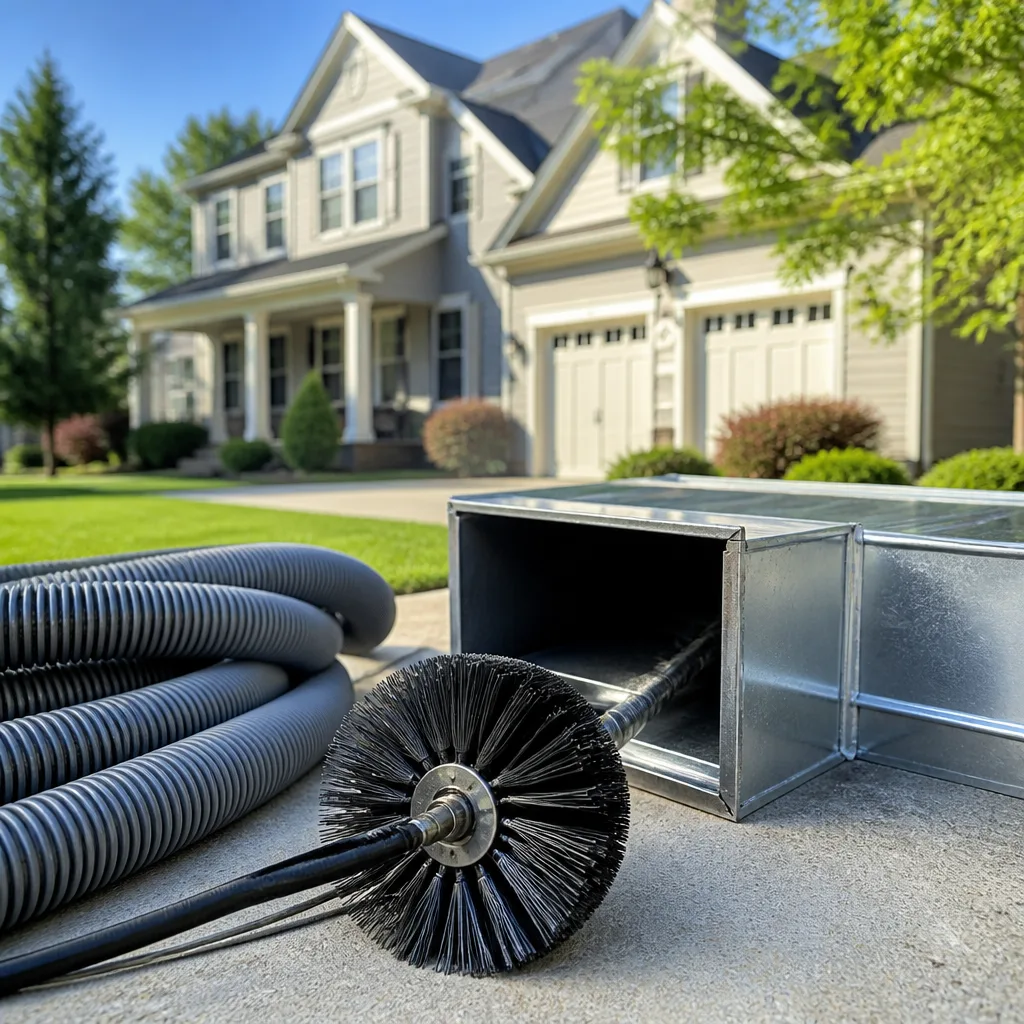 Whole-home duct cleaning
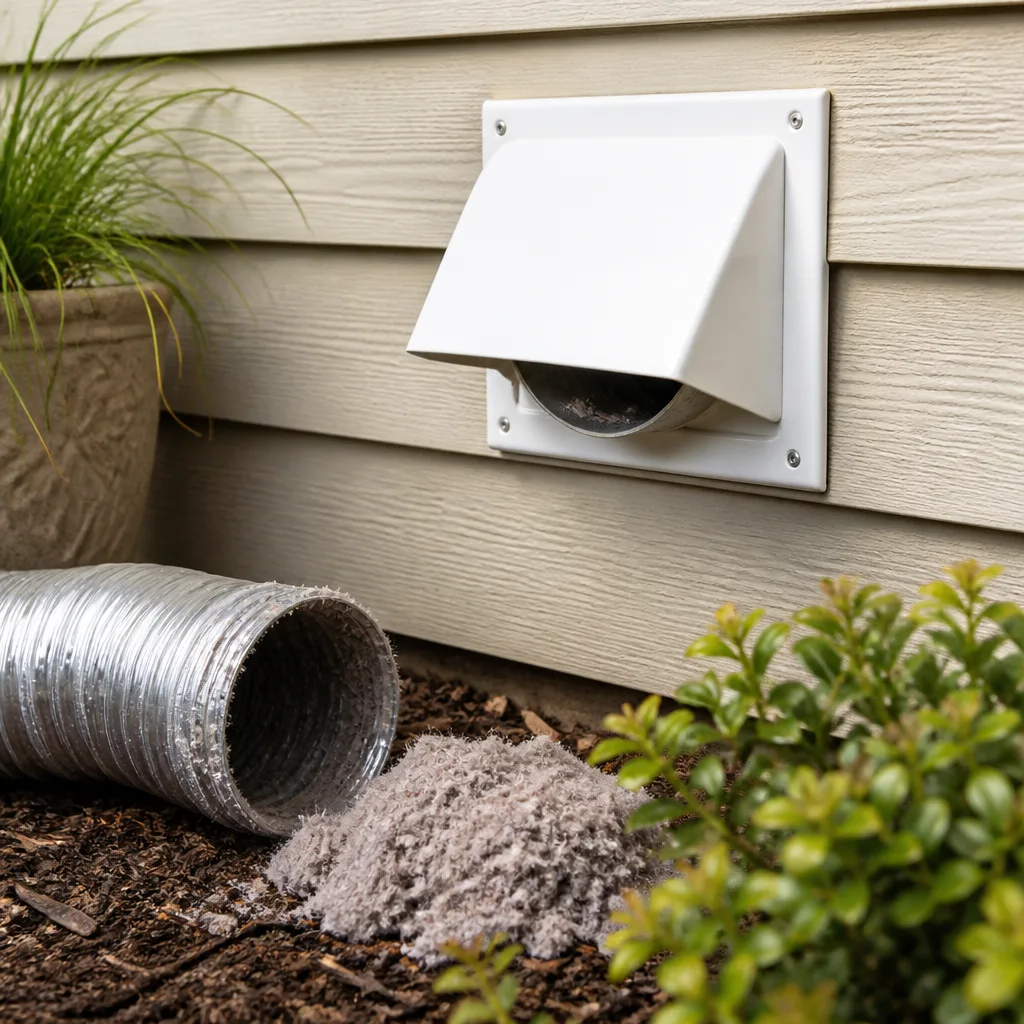 Dryer vent cleaning
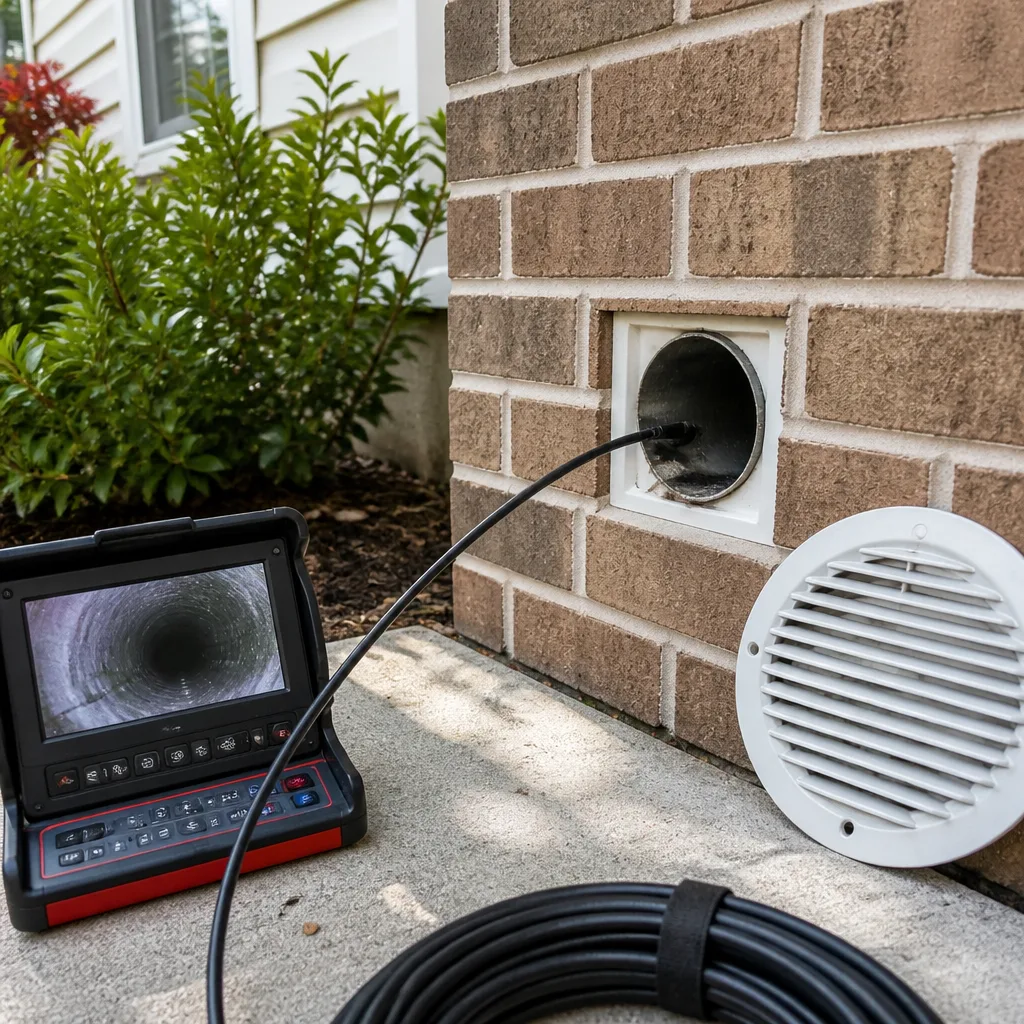 Camera inspection
 Sanitizing & deodorizing
Whole-system duct and dryer vent check with before-and-after photos - you see exactly what came out of your vents
That "$99 whole-house special" is a bait ad - the real number appears once they are in your hallway, or the "clean" is a shop-vac at the register. We photograph the inside of your ducts before and after instead.
Air Duct Cleaning Maintenance Checklist for East New York Homeowners
Most duct maintenance checklists floating around online were written for a hypothetical average house in a hypothetical average climate. They don’t account for what actually happens inside a 1980s two-family in East New York, where a flex-duct trunk line can pull a year’s worth of debris into its low spots in four months once heating season starts and the blower runs steady. The failure points here aren’t the same as they are in a new build in a dry suburb. They cluster around moisture that sneaks in through older roof penetrations and basement walls, flex duct that’s been pinched or crushed by a dozen small renovations, and filter housings that let air slip past the filter instead of through it. This guide gives you a schedule tied to run-hours, seasonal use and real system conditions, not arbitrary calendar dates. You’ll learn what to check yourself, when to call, and what to log afterward so the next decision is based on evidence rather than a stranger’s sales pitch.
Quick Answer
An effective air duct maintenance checklist for an East New York home runs on three tiers: monthly filter and register checks, quarterly inspection of accessible ducts and the air handler cabinet, and a professional cleaning and inspection based on system conditions rather than a fixed date. The two biggest triggers that mean it’s time to schedule are visible dust banding around registers and a musty smell at startup. Homes with flex duct, moisture history, or pets and heavy foot traffic tend to need service sooner than the calendar suggests.
Styles & brands we work with
- Whole-home duct cleaning
- Dryer vent cleaning
- Camera inspection
- Sanitizing & deodorizing
Table of Contents
- Why Generic Duct Checklists Miss the Mark in East New York
- Monthly Tasks: The 15-Minute Check
- Quarterly Tasks: What to Inspect Inside the System
- Annual Tasks: Professional Cleaning and Repair
- How to Self-Inspect Registers and Return Grilles
- Checklist for Multi-Unit and Two-Family Buildings
- Filter Selection for East New York’s Urban Air
- What to Log After Every Service
Why Generic Duct Checklists Miss the Mark in East New York
The standard advice to change your filter every 90 days assumes a certain house: tight envelope, moderate dust load, ductwork that was sized and installed correctly and never touched again. East New York housing stock rarely fits that profile. Between the brick two-families built mid-century, the vinyl-sided infill from the 1980s and 1990s, and the conversions that turned single-family floors into multi-unit rentals, the ductwork in this neighborhood has usually been modified at least once. A trunk line that was properly sized when the house was built may now feed a rear extension through a run of flex duct that a previous owner snaked through a joist bay with two tight 90-degree bends in it.
Every bend like that slows airflow and gives debris a place to settle. When the same flex duct runs through an unconditioned space, warm moist air in summer and cold air in winter can create condensation on the interior of the liner, which turns settled dust into something that supports biological growth. That’s the moisture-and-flex combination that drives a lot of the contamination we see in East New York. And in our experience, the filter you change every 90 days doesn’t matter much if the filter slot itself is bypassing air around the edges.
So the checklist below is calibrated to failure points, not to a generic calendar. It assumes you may have flex duct, that you may have a system that’s been modified, and that the air outside is urban enough to load a filter faster than a suburban baseline. If you want the broader context on how cleaning works here, start with our air duct cleaning East New York page.
Monthly Tasks: The 15-Minute Check
Monthly maintenance is about catching change early. You’re not cleaning much in 15 minutes. You’re watching for the signals that tell you something shifted.
- Swap or inspect the filter. Hold it up to a light. If you can’t see light through it in the middle, it’s done. East New York homes in heavy-traffic blocks or near busy corridors often load a filter faster than the box suggests.
- Check each return grille for dust banding. A dark halo of dust around the grille frame isn’t just cosmetic. It usually means air is escaping around the grille rather than through it, which means the return is leaking.
- Smell the supply air at startup. Turn the system on after it’s been off for a while and stand under a supply register. A musty or earthy smell is a signal worth writing down.
- Listen at the air handler. Whistling or a whooshing that wasn’t there before often points to a filter that’s too restrictive or a duct that’s come loose.
- Look at the floor around registers. Fresh dark dust returning within days of cleaning means the system is actively redistributing debris from somewhere upstream.
Log the date of each filter change on the filter frame itself with a marker. That alone stops the “did I change this last month or two months ago” guessing that leads to skipped changes and a loaded filter running for weeks.
Quarterly Tasks: What to Inspect Inside the System
Once a season, before the heating switchover and again before cooling season, go further than the grilles. You’re looking for intrusion, not doing surgery. Anything that requires opening the air handler cabinet or reaching into a trunk line is a job for a professional.
- Inspect accessible duct runs in the basement, crawlspace, attic or mechanical closet. Look for crushed or kinked flex duct, disconnected joints, tape that’s dried and peeling, and sagging runs that trap debris in low spots.
- Check the return plenum for gaps. A panned return in a joist bay that’s not sealed will pull dust and air from inside the wall cavity. That’s a hidden source of contamination that no amount of cleaning downstream will fix.
- Look for moisture staining on duct insulation, near roof penetrations and along basement walls. Damp insulation is a warning that the duct is running through a wet zone.
- Confirm the filter is seated on all four edges of the housing. A filter that’s cocked or undersized lets unfiltered air straight past the media.
- Check condensate lines and drain pans on cooling systems for standing water. Standing water near the coil will find its way into the airstream.
If you find a disconnected flex run, resist the urge to just tape it back together. Flex duct connections need proper mechanical fastening and sealing, and a taped joint that fails mid-season undoes whatever cleaning you had done. Duct repair and sealing is one of the five services we handle for exactly this reason: sealing the leaks is often more important than cleaning the ducts.
Annual Tasks: Professional Cleaning and Repair
The “annual” in annual tasks doesn’t mean once every 365 days regardless of condition. It means once a year you sit down and make a professional call based on how the system actually behaved over the prior twelve months. In some East New York homes that’s a cleaning. In others it’s a repair and sealing job first, then a cleaning.
A proper professional assessment covers four things:
- Inspection with a camera looking into the main trunk and a sample of branch runs, so the recommendation is based on what’s inside, not on what’s visible at the register.
- Cleaning with professional-grade extraction. At Air Duct Cleaning East New York we use Rotobrush and Nikro systems, the same contact-cleaning and high-efficiency extraction equipment HVAC contractors and restoration crews rely on. The equipment choice matters, because your duct system is only as clean as the method used to clean it.
- Sealing and repair of any gaps, disconnected joints or crushed flex found during inspection. Cleaning a leaky system just means the leaks will reload it.
- Sanitizing where inspection turns up biological growth. Our air quality and sanitizing work follows Abatement Technologies protocols, the same standard applied in remediation and restoration work.
If you’re scheduling full duct cleaning in East New York, ask the contractor to walk you through what they found in each run and show before-and-after photos of your own ductwork. A written, itemized recommendation is the difference between a professional service and a coupon that turns into a bigger invoice.
How to Self-Inspect Registers and Return Grilles
You don’t need tools to spot the early indicators. You need a flashlight, five minutes and a clear idea of what you’re looking at.
Start with the return grille. That’s the big grille that pulls air back into the system, usually in a hallway or a central wall. Shine the light into the return while the system is off. What you’re looking for is a dark film of dust on the edges of the grille and inside the duct mouth. If the film is heavier at the edges than the center, the grille is leaking air past the frame. If the entire return is coated, that’s a sign the filter isn’t catching what the house is generating and the system is recirculating dust.
Now check a few supply registers. Pull the cover (most are held on with two screws) and look at the interior of the duct. A light, even film is normal. Darker deposits concentrated near a bend or at a register that hasn’t had much airflow in a while point to settled debris. A chalky white or powdery gray appearance that smells musty when you disturb it is worth getting inspected.
Musty odor at startup is the single most useful signal in the whole checklist. It’s the one indicator that points to biological growth in the system rather than just ordinary dust, and it’s the one to describe when you call. Write down what you smelled, where you smelled it, and how long the system had been off. That turns a vague “my ducts smell” into a specific question a technician can act on.
Checklist for Multi-Unit and Two-Family Buildings
East New York’s density means a large share of homes are two-families, three-unit conversions or small apartment buildings. Shared plenums and stacked HVAC systems introduce failure points that a single-family checklist doesn’t cover.
- Identify what is shared and what is not. In a two-family where the HVAC was retrofitted, sometimes each floor is completely separate and sometimes a basement air handler serves a shared trunk. Know which before you clean anything.
- Test for cross-contamination. With the system running, stand in one unit and smell the supply air. If cooking odors, smoke or pet odors from the adjacent unit show up in the airstream, there’s a path between the systems. That needs investigation before a cleaning.
- Check the shared return path in the basement or mechanical room. A return that draws from a common basement space pulls air from wherever any basement leakage lets it in. Sealing that path is often more valuable than cleaning the ducts above it.
- Coordinate the cleaning across units. A cleaning in one unit can liberate debris that migrates to the other if the systems interconnect. Have both systems assessed together so the work is sequenced in the right order.
- Keep separate logs for each unit. Filters, service dates and findings need to be tracked per system, not per building. It’s the only way to see which unit is loading faster and why.
For property managers running several East New York buildings, maintaining consistent records per system is what makes it possible to compare one building’s contamination rate to another. It’s also what makes a maintenance budget defensible when the owner asks why a cleaning is scheduled.
Filter Selection for East New York’s Urban Air
Filter selection is a balancing act. Higher MERV means more captured particles but also more resistance to airflow. Push the resistance too high and the blower works harder, the coil runs colder, and the system starts moving less air than it was designed to. In an older East New York system with flex duct and a somewhat undersized return, that resistance shows up quickly as reduced heating and cooling and a system that runs longer than it used to.
A practical grid for most residential systems in East New York:
- MERV 8: a solid default for a standard system with a decent return. Captures most of the larger dust, pollen and pet hair that loads ducts, without adding meaningful restriction. Change every 30 to 60 days in high-traffic homes.
- MERV 11: a reasonable step up for homes with allergies, pets or a household member who spends a lot of time indoors. It captures finer particulate but needs a well-sealed filter slot and a system with some airflow margin. If you hear whistling or notice short cycling, go back down to MERV 8.
- MERV 13: only for systems designed to move enough air against that resistance, and only with a filter housing that seals on all four sides. On an older flex-duct system, a MERV 13 in a sloppy slot can hurt performance more than it helps.
If your home already has a media cabinet or electronic air cleaner from Honeywell or Aprilaire, keep using the correct filter for that housing rather than dropping in a generic pleated filter. Those systems are sized for a specific filter profile, and a mismatched filter either bypasses or chokes. A more practical line of defense in a house with lots of particulate is a portable or in-duct air quality unit at the right sizing, plus a filter that doesn’t starve the system. Our air duct cleaning service covers filter and housing inspection as part of the cleaning visit.
What to Log After Every Service
The single most useful habit in this whole guide is keeping a record. Without one, every service interval becomes a fresh guess. With one, you can see whether the system is getting dirtier faster than it should and track whether a repair actually fixed the cause.
After each professional cleaning, write down six things:
- The date and which system was serviced (main house, rear unit, basement air handler).
- The filter type and MERV rating that was in place.
- What the technician found in the main trunk and each branch, including any damaged or disconnected runs.
- Any sealing or repair performed and where.
- The condition of the return path and the filter housing.
- A photo of the inside of a representative duct, so you have a baseline to compare against next time.
Two data points are better than one, and three is where a pattern shows up. If your contamination rate keeps climbing despite regular filter changes, there’s a source the checklist hasn’t found yet: an unsealed return, a crushed flex run, a moisture problem or a filter slot that’s bypassing. That’s exactly the kind of cause a repair-and-seal visit is designed to fix. When the interval can be set by evidence rather than by a contractor’s schedule, you’re negotiating from a better position, and the service you buy is a service the system actually needs.
Common Mistakes to Avoid
- Changing the filter on a fixed calendar. The date on the filter box is a rough default, not an instruction. If the filter loads in five weeks during heating season, a 90-day schedule means running a clogged filter for half of it.
- Assuming a higher MERV filter is always better. In a tight, older East New York system with flex duct, an oversized MERV filter can cut airflow enough to cost more in energy and comfort than it saves in filtration.
- Cleaning ducts without repairing the leaks. A cleaning crew that seals nothing leaves every gap and disconnected joint in place, ready to re-contaminate the system within a heating season.
- Trusting a register wipe as evidence the job was done. A crew can wipe grilles in ten minutes without touching the trunk line. Ask for inspection photos and before-and-after images of your own ductwork.
- Ignoring the dryer vent. Dryer vent lint buildup is a fire risk cited by the NFPA, and it’s easy to overlook because the dryer keeps working right up until it doesn’t. Treat it as its own annual task, not an upsell.
- Not knowing which system in a multi-unit building is shared. Assuming two floors are separate when they share a plenum is the fastest way to a cleaning that doesn’t solve the smell.
- Skipping the log. Without a record, every maintenance decision restarts from zero, and the same problems get discovered late every time.
See the difference
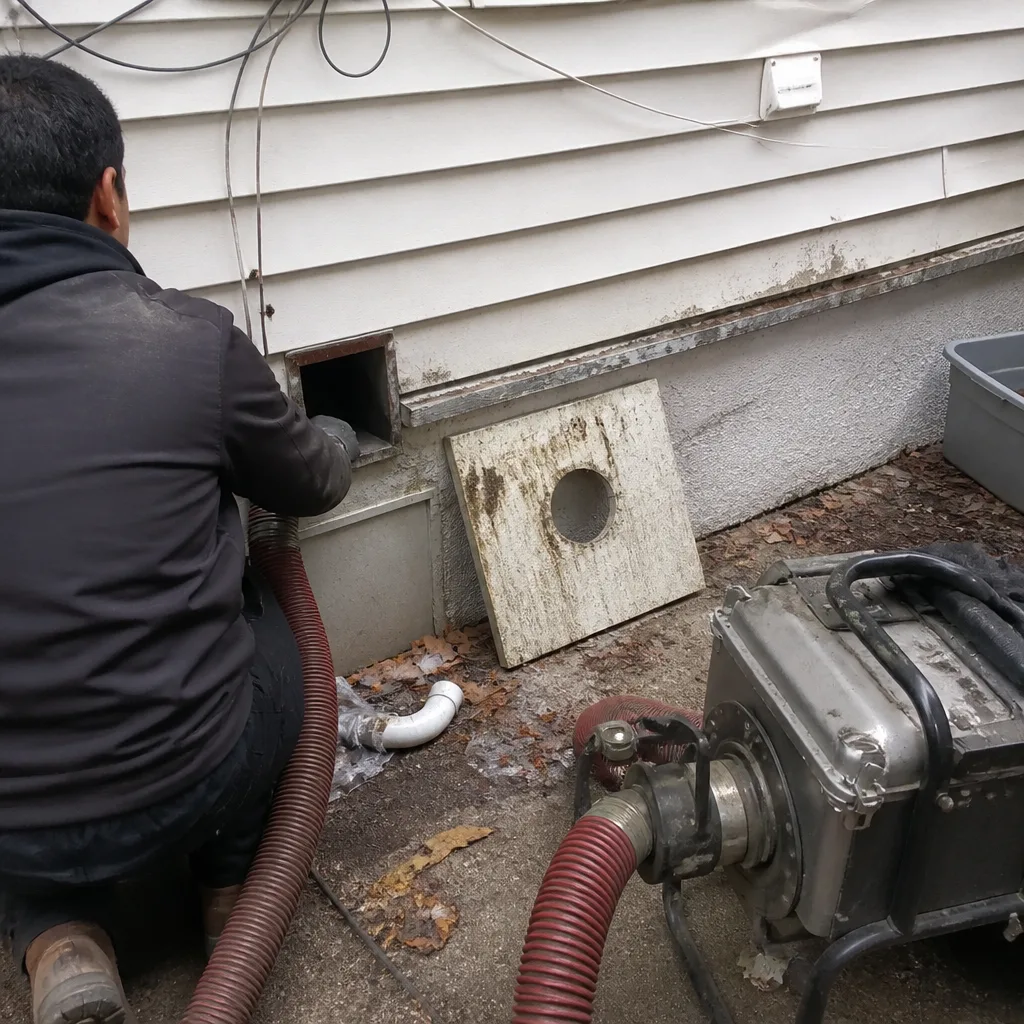 Before
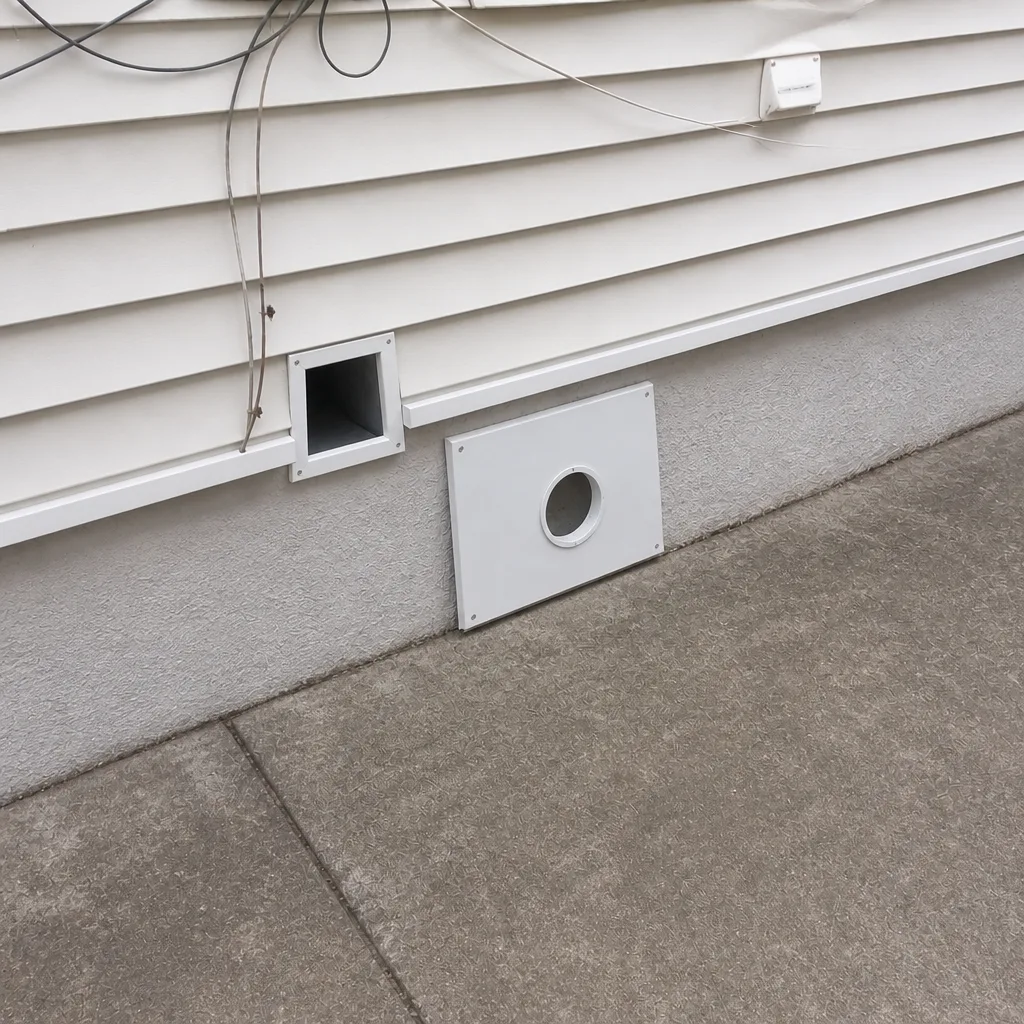 After
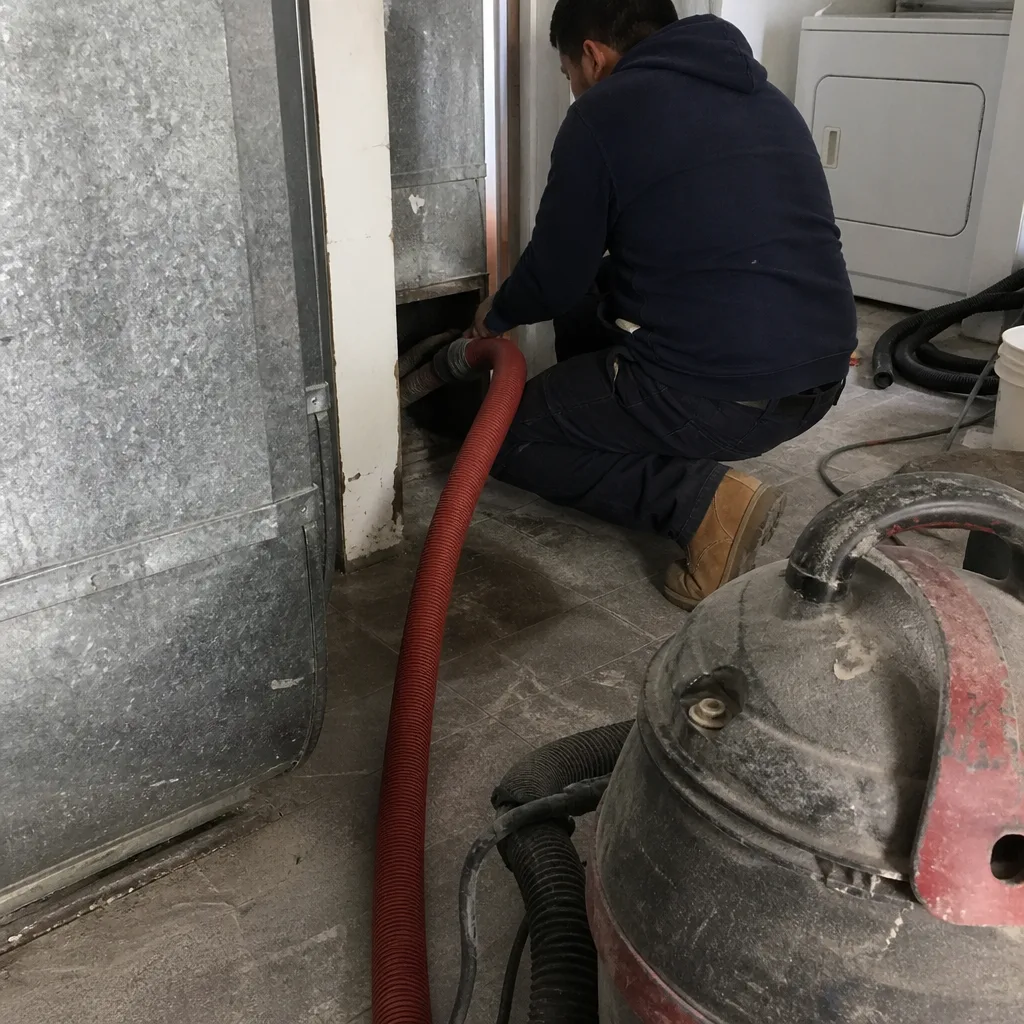 Before
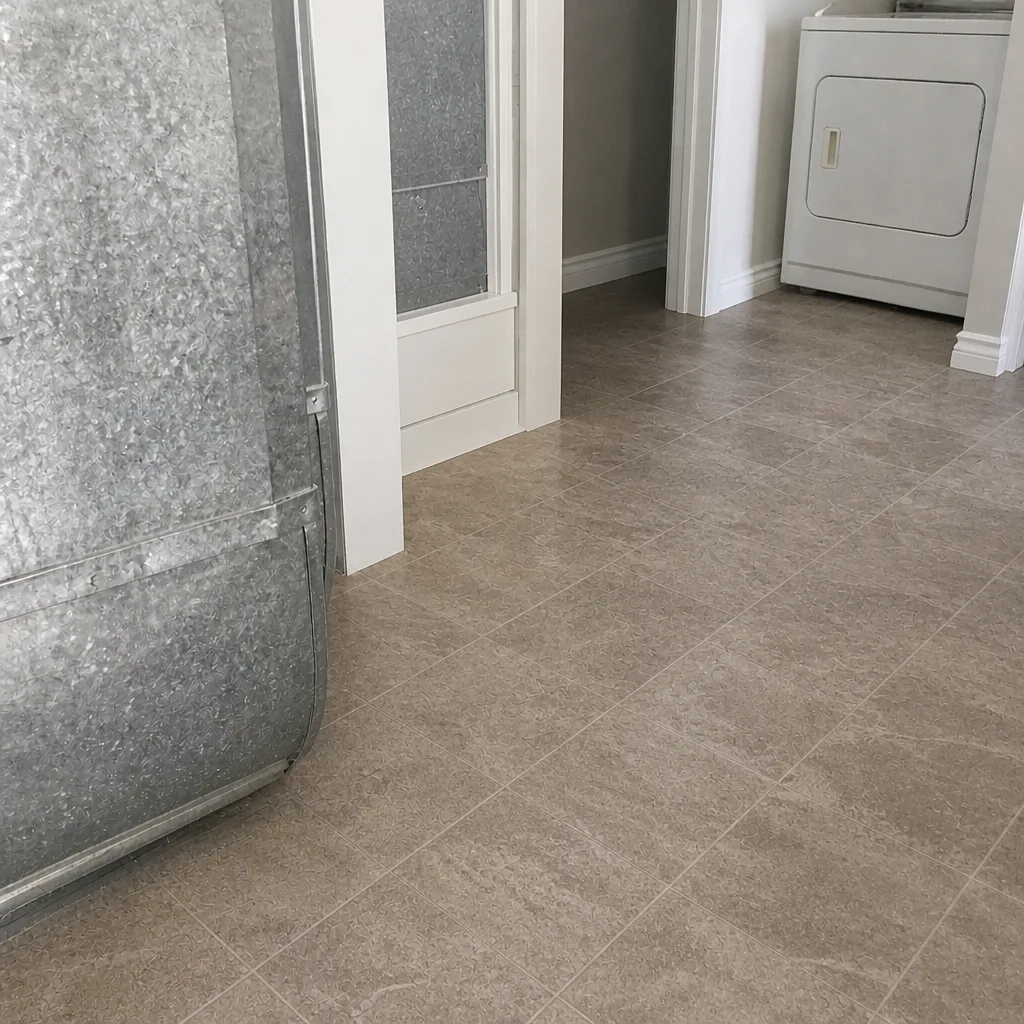 After
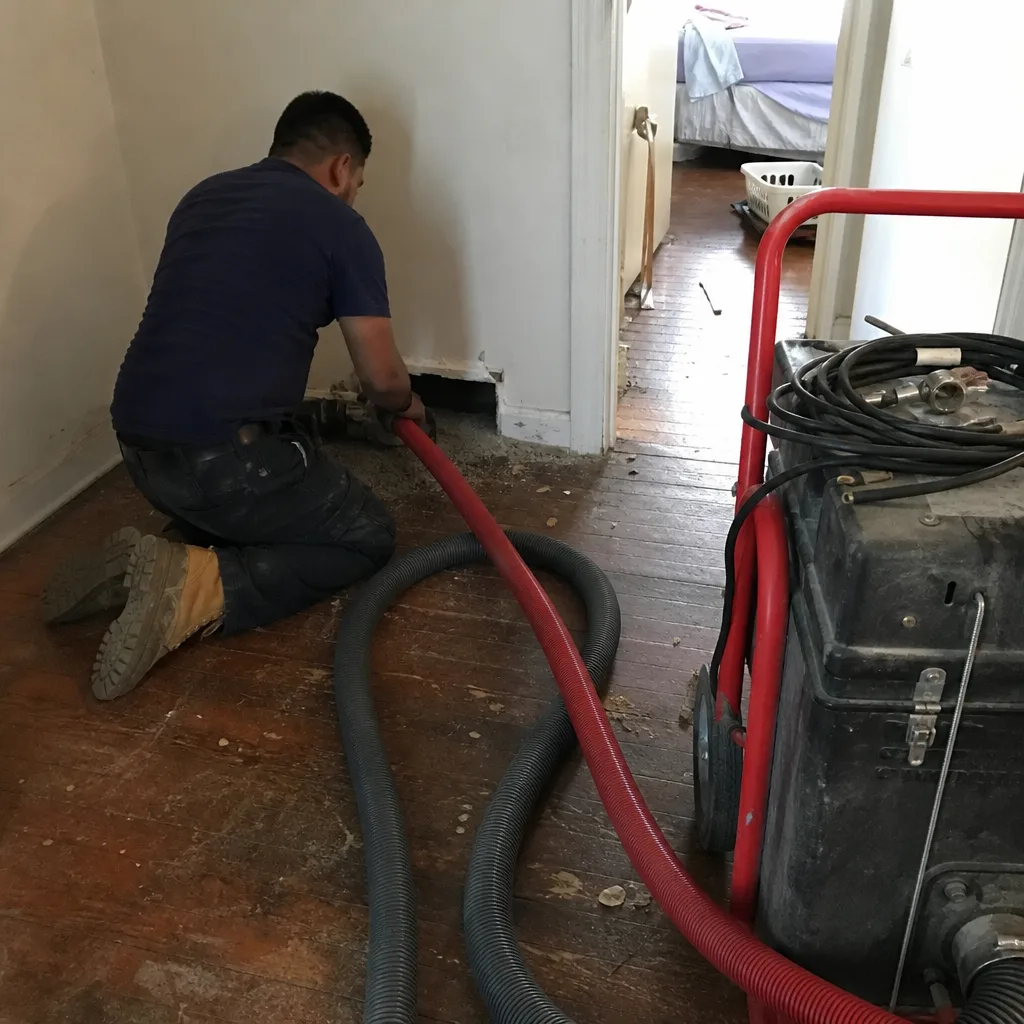 Before
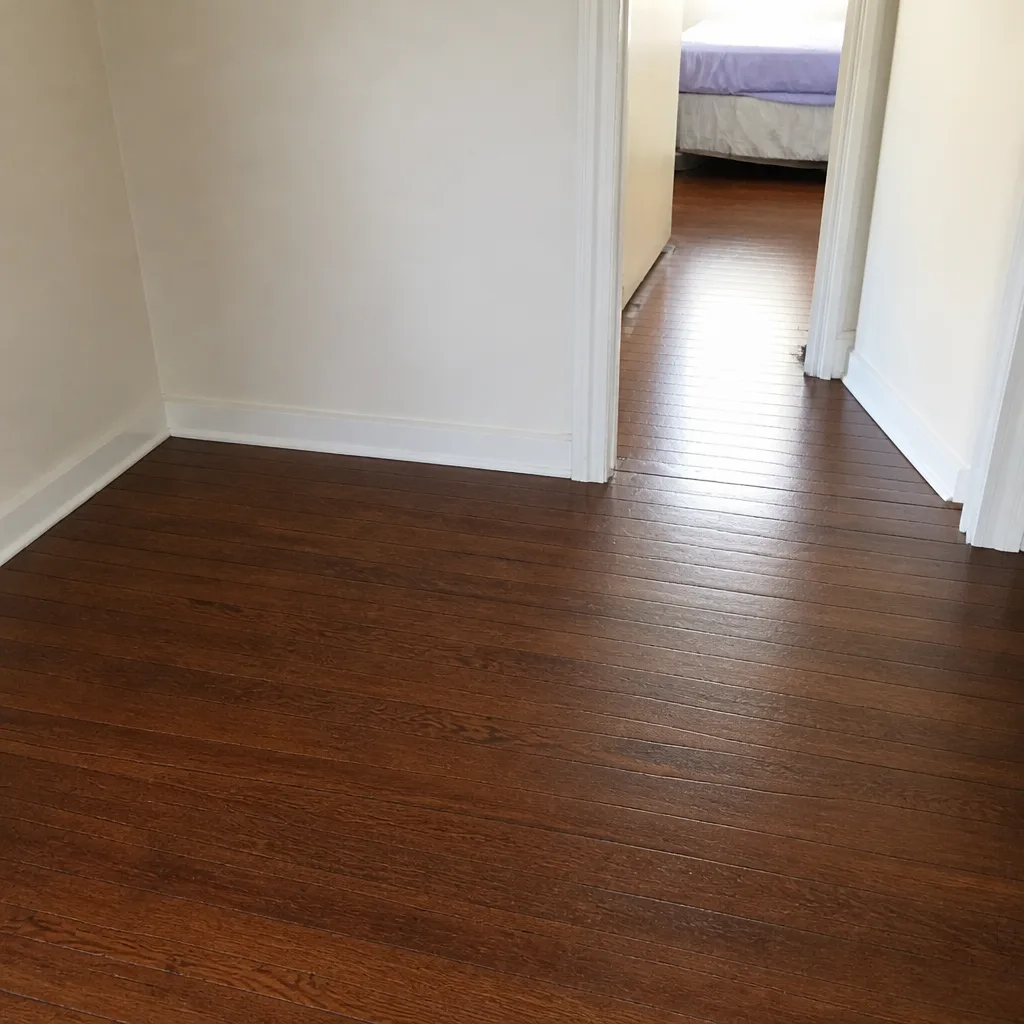 After
When to Call a Professional
Some of this checklist is yours to run. Some of it isn’t, and knowing the line matters. Call a professional when a musty or earthy odor shows up at startup and doesn’t clear after a filter change, when you see dust banding on multiple registers at once, when the floor gets visibly dusty within days of cleaning, when you can see crushed, disconnected or taped-up flex duct in an accessible space, or when a home inspection turns up moisture staining on duct insulation. Call sooner in a multi-unit building where shared systems might be moving air between units. And call for dryer vent cleaning on its own schedule, at least once a year for a household running several loads a week, since lint buildup inside the vent is a fire risk the checklist can’t rule out from the outside.
Air Duct Cleaning East New York offers free estimates in East New York. Call (833) 362-3254. We answer 24/7. Fast dispatch from 7am to 7pm, Sunday through Friday. A call outside dispatch hours is booked into the next opening, Sunday through Friday, 7am to 7pm. We work with your insurer where a claim is involved, and the price is set per job by a written estimate agreed before work starts.
Frequently Asked Questions
Most East New York homes do best with a professional cleaning and inspection every two to five years, but the real trigger is condition, not a calendar. If you have flex duct, a moisture history, pets, heavy foot traffic or a recent renovation, lean toward the shorter end. If the system is well-sealed, the filter housing is tight and dust banding doesn’t appear, the longer end is reasonable.
The strongest signals are dust banding around multiple registers, a musty smell at startup, visible dust returning to surfaces within days of cleaning, and a filter that loads much faster than it used to. Any one of those is worth a professional inspection. Two or more together generally means the system is due.
MERV 8 is the practical default for most older systems here, with MERV 11 a reasonable step up for allergy households. MERV 13 only makes sense if the system has airflow margin and a filter housing that seals on all four sides. If you hear whistling or the system short-cycles, you’ve gone too high for the ductwork.
Yes. In a multi-unit or two-family building, the first thing is confirming which systems are shared and whether air can move between units. A shared return or common basement air handler makes sealing more important than cleaning alone, because every gap becomes a path for cross-contamination.
No. A shop vac can pull loose dust from the register opening but can’t reach the trunk line or generate the negative pressure a professional extraction system uses. It can also disturb settled debris and push it further into the system. The cleaning you want is contact cleaning with professional equipment, not a surface wipe.
Dryer vent cleaning is a safety service, not a cosmetic one. Lint buildup inside the vent is a fire risk the NFPA has flagged, and it doesn’t show up as an obvious problem until the dryer runs hot or takes two cycles to dry a load. It’s a dedicated service we handle, on its own schedule, at least once a year for a typical household. For details, see our dryer vent cleaning page, and for the broader mechanical cleaning side, our HVAC cleaning page covers the air handler and coil.
The Bottom Line
The best duct maintenance schedule is the one built around your system’s actual failure points, not around a generic “change the filter every 90 days” box. For East New York homes, that means keeping an eye on moisture, flex duct condition and filter bypass, and logging what you find so the next service interval comes from data instead of a pitch. Monthly checks catch change early. Quarterly inspections catch damage before it affects air quality. Annual professional cleaning, repair and sealing keeps the whole system clean and closed. The goal is air you can trust, and the way to get there is a system that’s clean, sealed and sanitized in one engagement. Call (833) 362-3254 for a free estimate, and get a written estimate agreed before work starts.
Written by the team at Air Duct Cleaning East New York.