
Last updated November 22, 2026
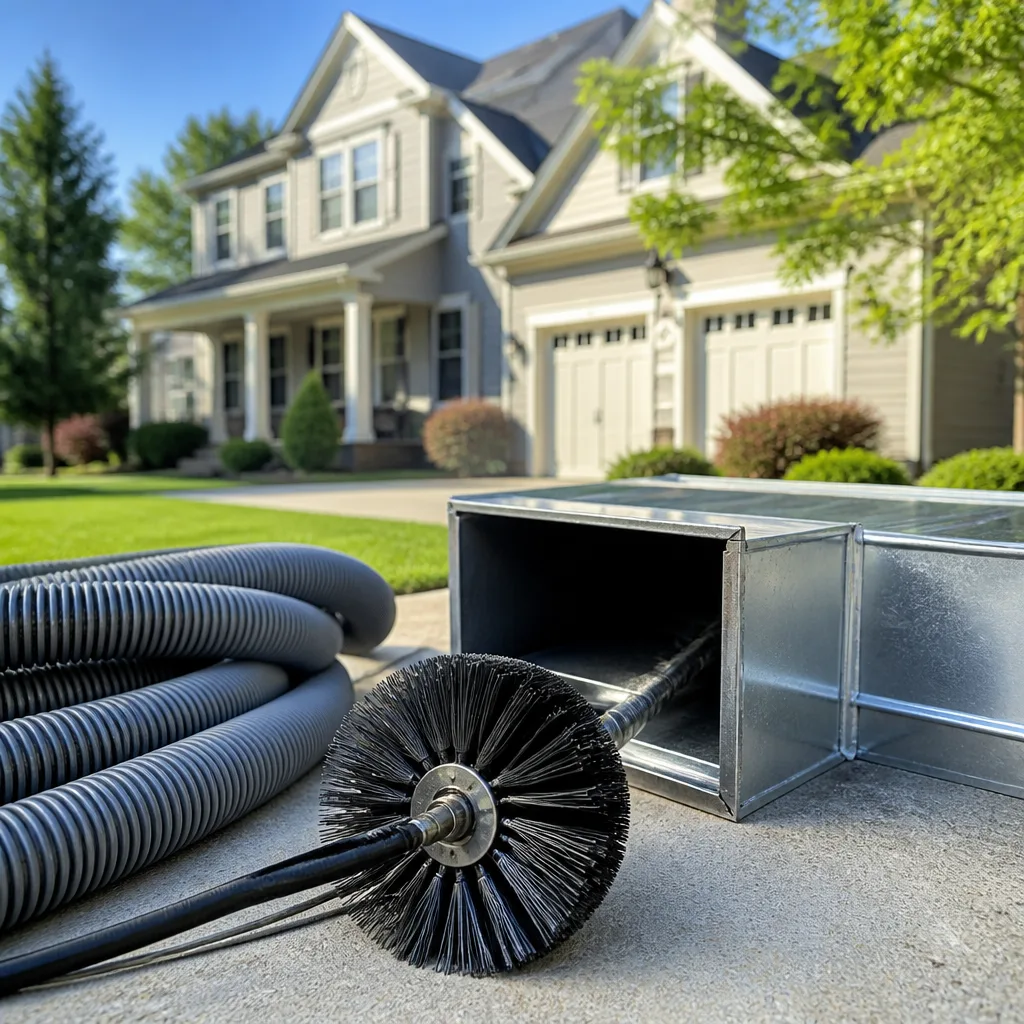 Whole-home duct cleaning
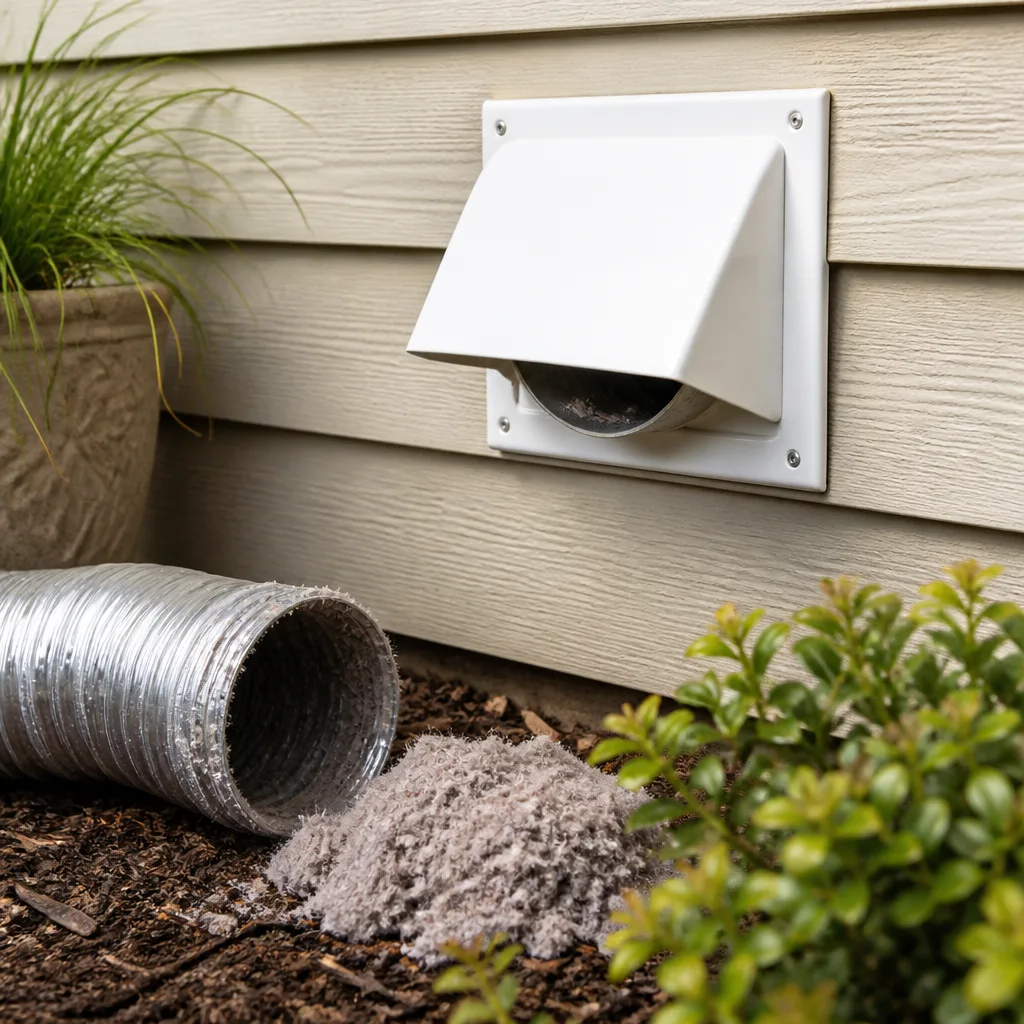 Dryer vent cleaning
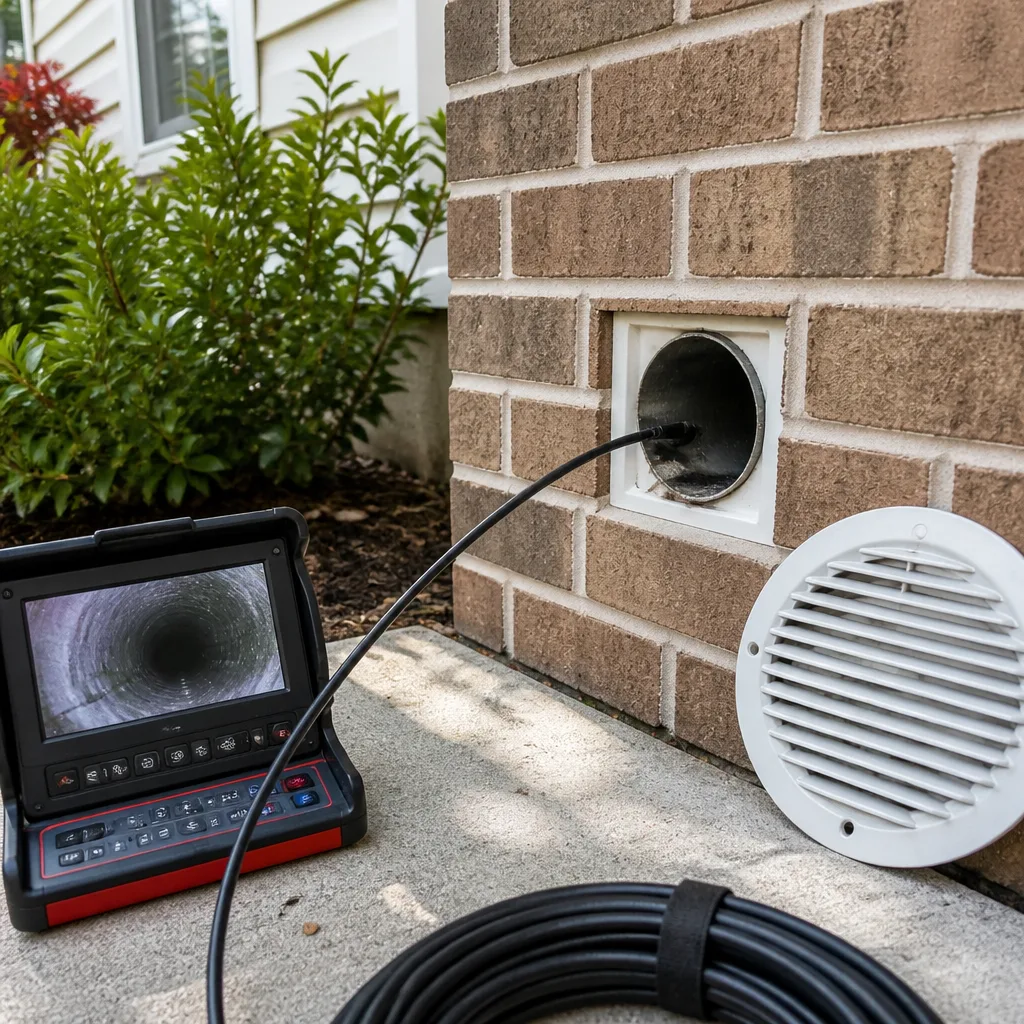 Camera inspection
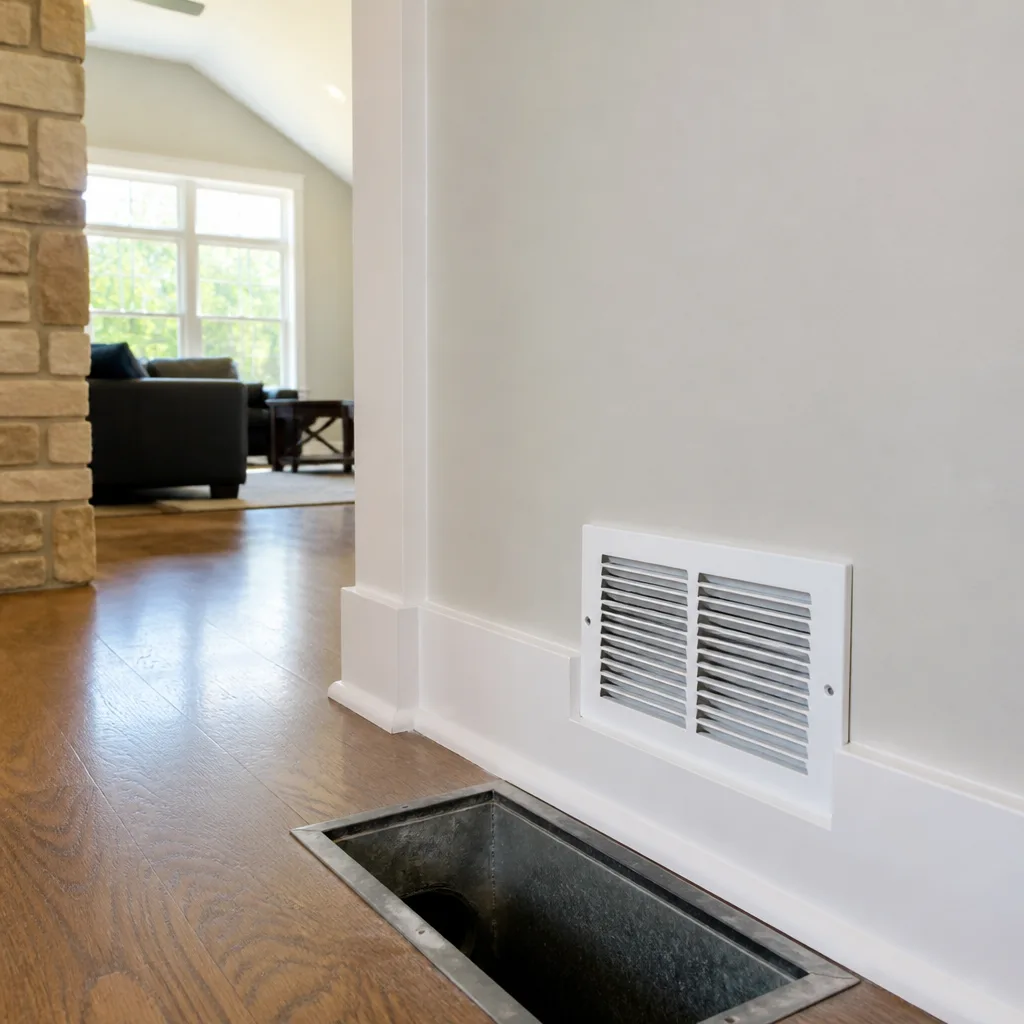 Sanitizing & deodorizing
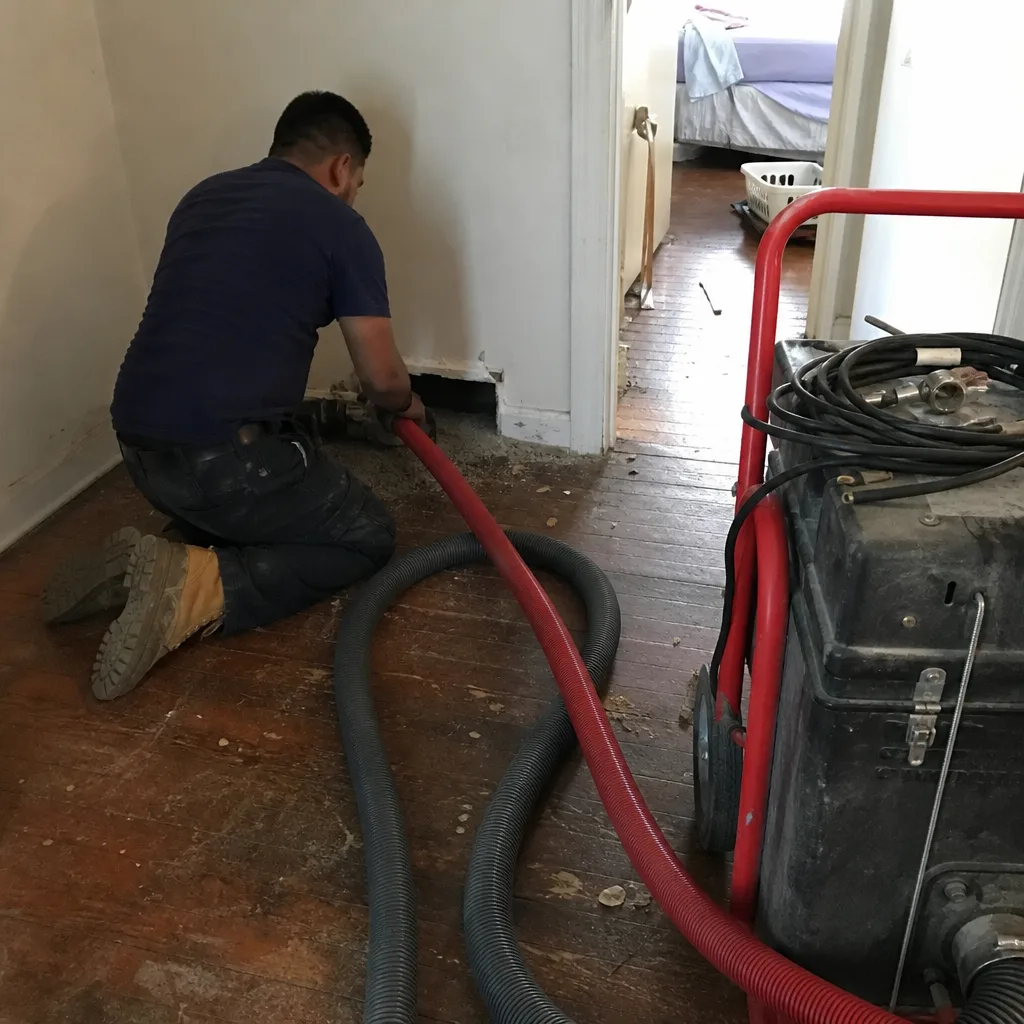
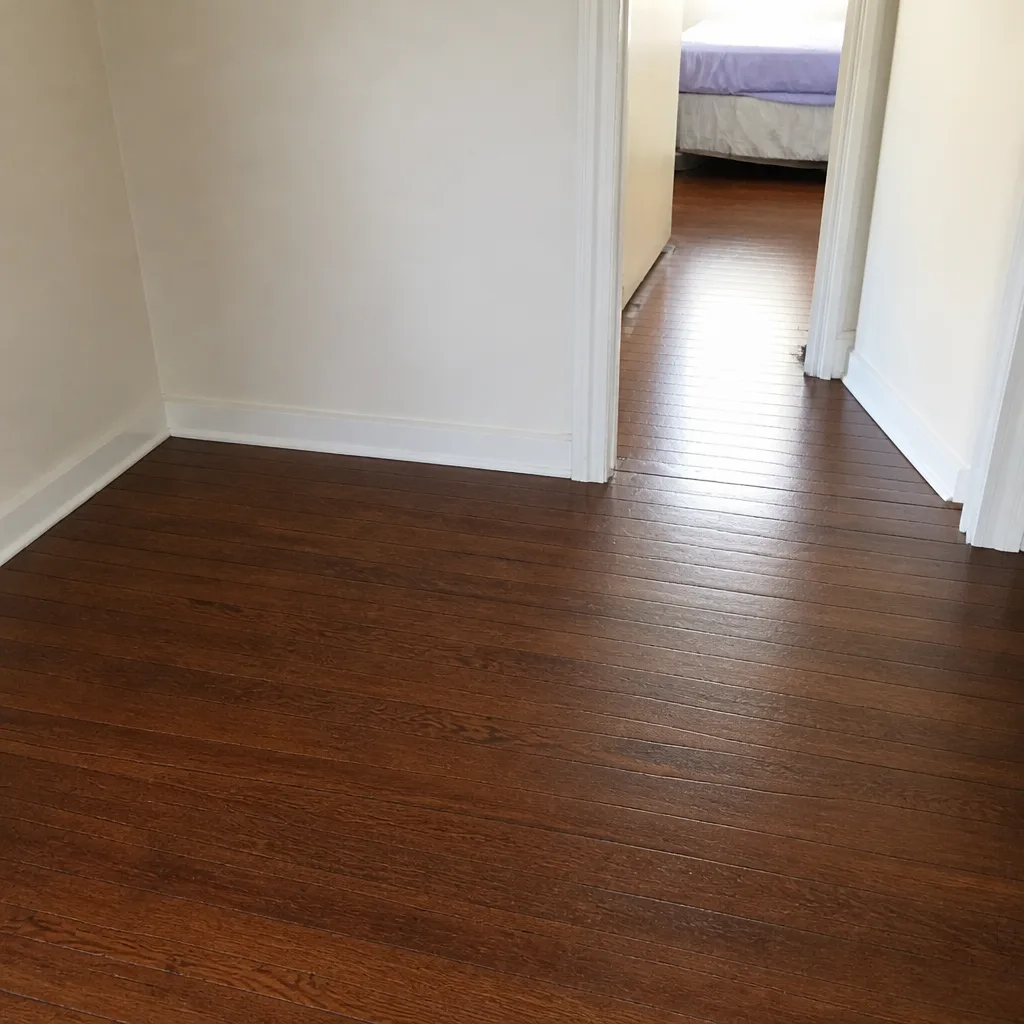
Whole-system duct and dryer vent check with before-and-after photos - you see exactly what came out of your vents
That "$99 whole-house special" is a bait ad - the real number appears once they are in your hallway, or the "clean" is a shop-vac at the register. We photograph the inside of your ducts before and after instead.
Air Duct Cleaning Permits, Codes & Inspections in East New York, NY: What You Need to Know
Here’s the part most people get wrong: cleaning a duct system almost never needs a permit, but the repair that follows an inspection often does. A technician finds a breach in your main trunk line, proposes to seal it and reroute a section, and that job quietly crosses the line from routine maintenance into alteration work. In New York City, that distinction carries real weight, because the threshold for a Department of Buildings filing is lower than a lot of contractors will tell you. This guide walks through where the line actually sits, what triggers asbestos checks, how duct sealing connects to building performance rules, and how to document the work in East New York so it holds up later.
Quick Answer
Cleaning an air duct system in East New York generally does not require a permit because it’s classified as maintenance. Duct repair, sealing that changes the configuration of the system, or any modification to the mechanical layout can require a Department of Buildings filing, and work that disturbs older insulation may trigger asbestos notification rules. Get the scope in writing before work starts, and confirm with the DOB whether your specific repair needs a filing.
Styles & brands we work with
- Whole-home duct cleaning
- Dryer vent cleaning
- Camera inspection
- Sanitizing & deodorizing
Table of Contents
- Routine Maintenance vs. Alteration: Where NYC Draws the Line
- When Does Duct Work Need a DOB Filing?
- Local Law 97, the Energy Code, and Duct Sealing
- Asbestos in Older East New York Ductwork: ACP-5 and DEP Rules
- What HPD and DOB Violation History Tells You About Duct Condition
- How to Document Duct Cleaning and Repair
- What a Proper Duct Inspection Looks Like
- Common Mistakes to Avoid
Routine Maintenance vs. Alteration: Where NYC Draws the Line
New York City’s building code treats routine maintenance and alteration work as two different things, and duct work can fall on either side. Cleaning, sanitizing, and replacing a filter are maintenance. Cutting into a duct, adding a branch, rerouting a run, or sealing a joint in a way that changes how the system moves air is closer to alteration, and alteration work on mechanical systems can require a permit and an inspection.
The practical test comes down to whether the shape and function of the system change. We’ve walked through this with property managers across East New York, and the confusion almost always starts at the estimate stage. A crew quotes a “quick seal” without asking whether the repair alters airflow, and the homeowner ends up with undocumented work on a system that the DOB considers modified.
Here’s a rough breakdown of how the categories tend to fall:
- Cleaning and debris removal: maintenance, no filing.
- Sanitizing with Abatement Technologies protocols: maintenance, no filing.
- Replacing a section of flex duct with the same size and configuration: usually maintenance, though it’s worth asking the DOB.
- Sealing a joint or seam without changing the layout: usually maintenance.
- Sealing a breach and rerouting a trunk line section: alteration, and this is the one that catches people off guard.
- Adding a branch, moving a register, or resizing a run: alteration, and it typically requires a filing.
The safe move for any East New York property owner is to ask the contractor one question directly: does this repair change the layout of the system? If the answer is yes, or if they hesitate, call the DOB before work starts. It’s a five-minute call that saves a much bigger headache later.
When Does Duct Work Need a DOB Filing?
The New York City Department of Buildings requires a filing when work on a mechanical system qualifies as an alteration, and the threshold is lower than most homeowners assume. Anything that changes the configuration of the ductwork, the capacity of the system, or the arrangement of the components typically needs a filing. Anything that simply maintains what’s already there usually doesn’t.
Here’s a numbered path through the decision, written from what we see on the ground in East New York:
- Define the scope precisely. “Clean and seal” is too vague. Write down exactly what’s being cut, added, moved, or replaced.
- Ask whether the layout changes. If a section is being rerouted, resized, or added, treat it as alteration work.
- Check whether the work is on a system that was ever filed. In a building with prior mechanical filings, a repair to that system may need to be filed as part of the existing record.
- Call the DOB or a licensed expediter. A quick inquiry determines whether a permit and inspection are required for your specific job.
- Get the answer in writing. If the DOB says no filing is needed, save the email or note. It belongs in your documentation file along with the cleaning invoice.
A note on scale: an owner of a one- or two-family home in East New York can usually sort this out with a single conversation. Larger properties, including the multi-family buildings common along the blocks near Broadway Junction and Atlantic Avenue, often have a managing agent or expediter who already knows how to run the filing. Either way, the filing itself isn’t the expensive part. The expensive part is finding out later that work was done that didn’t match what the building’s records show.
Local Law 97, the Energy Code, and Duct Sealing
Local Law 97 and the New York City Energy Code both focus on how efficiently a building uses energy, and duct leakage is one of the quiet culprits. A duct system with unsealed joints and gaps loses conditioned air before it reaches the room. That gap matters more in East New York’s climate, where summer heat and winter cold both push systems hard, than it does in milder parts of the country.
For owners of larger properties, Local Law 97’s emissions limits create a real incentive to get the air distribution system right. Fixing duct leakage isn’t a compliance strategy on its own, but it does support the broader picture that energy audits and benchmarking look at. Duct sealing and air barrier work both reduce the load the system has to carry.
For the smaller homeowner, the energy code connection is simpler: unsealed ducts cost you money every month, whether or not you ever have to file anything with the city. That’s the case in East New York whether you’re in a brick row house or a two-family built mid-century.
Where Local Law 97 and Energy Code rules actually bind a duct job is when the work counts as alteration or when it’s part of a larger mechanical upgrade. If a property manager is coordinating duct repair with a boiler, HVAC, or envelope project, that’s the moment to bring in a code consultant. Duct repair and sealing done as part of a bigger project should be planned in the same filing as the rest of the work, not bolted on afterward.
Asbestos in Older East New York Ductwork: ACP-5 and DEP Rules
A lot of ductwork in East New York runs through buildings from the mid-twentieth century, and older duct insulation, sealants, and wrap materials sometimes contained asbestos. Disturbing those materials during a cleaning or repair job carries regulatory consequences that go well beyond the duct system itself. This is where the filing question stops being about the DOB and starts being about the Department of Environmental Protection.
Here’s how the process works when asbestos is a possibility:
- Identify the age and material type. If the building predates the 1980s, assume any fibrous wrap, taped joint, or duct sealant could contain asbestos until proven otherwise.
- Get an ACP-5 filed by a licensed asbestos investigator. An ACP-5 is a New York City form certifying whether the material in question is asbestos-containing.
- If the ACP-5 says the material is non-asbestos, work can proceed. Keep the form in your file. It protects everyone if a question comes up later.
- If the material is asbestos-containing, notify the DEP and use a licensed abatement contractor. Cleaning or repair work that disturbs the material cannot proceed until the abatement is completed.
- Then clean, seal, and sanitize. Once the asbestos issue is resolved, the duct work itself can continue with Rotobrush or Nikro extraction as planned.
What most people miss is that the ACP-5 question comes up even on “just cleaning” jobs, because the cleaning equipment contacts the inside of ducts and can disturb any loose fibrous material. If your technician doesn’t ask about the age of the building before starting, that’s a warning sign. A thorough inspection has to happen before any cleaning tools go in. Our technicians have up to 13 years of experience, and one of the first things we train on is recognizing the age and material patterns that demand an ACP-5.
What HPD and DOB Violation History Tells You About Duct Condition
East New York properties often carry HPD or DOB violations that trace back to air quality, moisture, or mechanical system issues. Those violation records are a useful starting point for anyone scheduling a thorough air duct cleaning, because they tell you what the city has already noticed about the building. A violation for inadequate ventilation, mold, or a leaking roof can all connect back to the state of the ductwork.
Before scheduling service, pull the violation history. It’s public record and you can search it on the city’s website. Look for:
- Ventilation violations: these suggest the system isn’t moving the air it should, which often means leaks, blockages, or an undersized setup.
- Moisture and mold violations: mold in living spaces often starts inside an unsealed or poorly insulated duct run.
- Mechanical or electrical violations: these can affect whether a duct repair requires a filing.
- Prior work without a permit: this is the one to flag, because it means the building records may not match what’s actually installed.
What we’ve seen over and over in East New York is a violation record that describes the symptom while the cause is buried in the duct system. A property with a chronic ventilation violation is often a property with a breached trunk line, disconnected flex duct behind a ceiling, or a return that pulls air from a crawl space. Cleaning alone won’t fix that. You need a full-spectrum look: clean, sealed, sanitized, and verified. That’s why duct repair and sealing belongs in the same engagement as cleaning, not in a separate call weeks later.
How to Document Duct Cleaning and Repair
Documentation is the part most people skip, and it’s the part that saves you when a question comes up later. When you have before-and-after photos of the interior of your own ducts, the cleaning invoice, and a record of any repair work, you have a file that satisfies your insurer and would hold up if the DOB ever asks about the history of the mechanical system.
Here’s the documentation checklist we recommend for any duct job in East New York:
- Before-and-after photos of each duct run we clean. The photos are of your ducts, not stock photos of someone else’s. Ask for them.
- A written scope of work that names every step: extraction, sanitizing, sealing, repair. Vague invoices are the ones that cause problems later.
- A flat price per system agreed before work starts. No per-vent pricing, no coupon price that changes once the technician is on site.
- The ACP-5 form, if your building required one. Keep it in the same folder as the invoice.
- A record of any DOB filing or permit, if the repair was alteration work. If a filing wasn’t needed, note the reason.
- Brand and model information for any air quality component touched, including Honeywell and Aprilaire systems, so future maintenance is straightforward.
Insurance companies increasingly ask for documentation when a claim involves indoor air quality or water damage related to a mechanical system. Property managers around Highland Park and Cypress Hills have told us the photos are what make the difference. Without them, you’re asking an insurer to take the invoice’s word for it.
What a Proper Duct Inspection Looks Like
An inspection before cleaning is the whole game. Your duct system is only as clean as the method used to clean it, and the inspection is what tells you which method fits. A shop vac and a flashlight reveal almost nothing. The right setup uses a camera through the system, measures airflow at the registers, and looks for leaks at every accessible joint.
Here’s what a proper inspection covers:
- Visual camera run through the main trunk line and the branch runs, checking for debris, moisture, and breaches.
- Static pressure or airflow measurement at the supply and return registers, so you know whether the system is restricted.
- Joint and seam check for leaks that bleed air into walls or attic cavities.
- Insulation condition assessment, particularly in older East New York buildings where the wrap may be damaged or asbestos-containing.
- Dryer vent check, since the same visit is the right moment to inspect the dedicated dryer vent cleaning need in a property.
- Filter and air handler review, including any Guardsman components or compatible filters in the system.
- A written report with photos, so you can share findings with an insurer, a managing agent, or the DOB if needed.
When an inspection finds a breach, the recommendation should distinguish between cleaning and repair. That distinction is what determines whether a filing is required. A contractor who can’t explain the difference clearly is a contractor who may put you on the wrong side of the line without meaning to.
Other Code and Safety Angles Worth Knowing
Two more areas come up in East New York duct work often enough to deserve a dedicated look. The first is dryer vents. Dryer vent cleaning is a safety-critical service, not a cosmetic one, because lint accumulation inside a dryer duct is a documented fire hazard. NFPA data ties thousands of residential fires each year to dryers, and the vent is where the fuel collects. A dryer vent that’s crushed behind the unit, routed with too many bends, or connected with the flexible foil duct many installers used years ago is at elevated risk.
Code compliance on dryer vents is straightforward in principle and often missed in practice. The vent should be smooth-walled metal, terminate outdoors with a working damper, and run as short and straight as it reasonably can. In East New York row houses, the vent sometimes dumps into a shared shaft or an interior wall cavity instead of outdoors, and that’s a real hazard regardless of what any inspection has said before. If your dryer takes more than one cycle to dry a load, the vent is the first place to check.
The second is HVAC cleaning. Coils, blower wheels, and drain pans collect debris over time and reduce how much air the system can move. Cleaning the air handler alongside the duct system is the right approach, because the two are inseparable for air quality purposes. That’s why we treat HVAC cleaning as part of the same scope when the inspection shows a dirty air handler. A duct system cleaned while the blower is still coated in debris is only half a job.
For homes with air quality components already installed, the inspection should also cover any Honeywell or Aprilaire equipment in the system. These need to be identified before cleaning so nothing gets damaged during extraction. Proper handling of installed air quality equipment is part of a competent job, and skipping it is one of the quiet ways a cheap quote ends up costing more.
Common Mistakes to Avoid
- Assuming cleaning needs a permit, or assuming a repair doesn’t. Cleaning almost never needs a filing, and a repair that alters the system often does. The mistake is treating them as one category. Ask the DOB which side your job falls on.
- Skipping the ACP-5 on an older building. In East New York, buildings from the mid-twentieth century often contain fibrous material around the ducts. Anyone who starts cleaning without asking about building age is gambling with your money and your health.
- Accepting a per-vent quote. Per-vent pricing invites the classic bait-and-switch, where the low coupon becomes a much larger invoice once the technician is on site. Ask for a flat price per system, agreed before work starts.
- Not asking for photos of your own ducts. Stock photos in a portfolio prove nothing. Before-and-after pictures of the specific ducts in your East New York home are the only documentation that matters.
- Cleaning without inspecting. A crew that shows up and starts pulling debris without a camera run or airflow measurement may be cleaning the wrong section entirely. The inspection is what determines the scope.
- Ignoring the dryer vent. A duct cleaning that doesn’t cover the dryer vent leaves one of the highest-risk parts of the system untouched. Code compliance and fire safety both live in that vent.
- Discarding the paperwork. The ACP-5, the DOB filing (if any), the invoice with scope, and the photos belong in a single folder. Tossing them means you can’t prove what was done when a question comes up.
See the difference
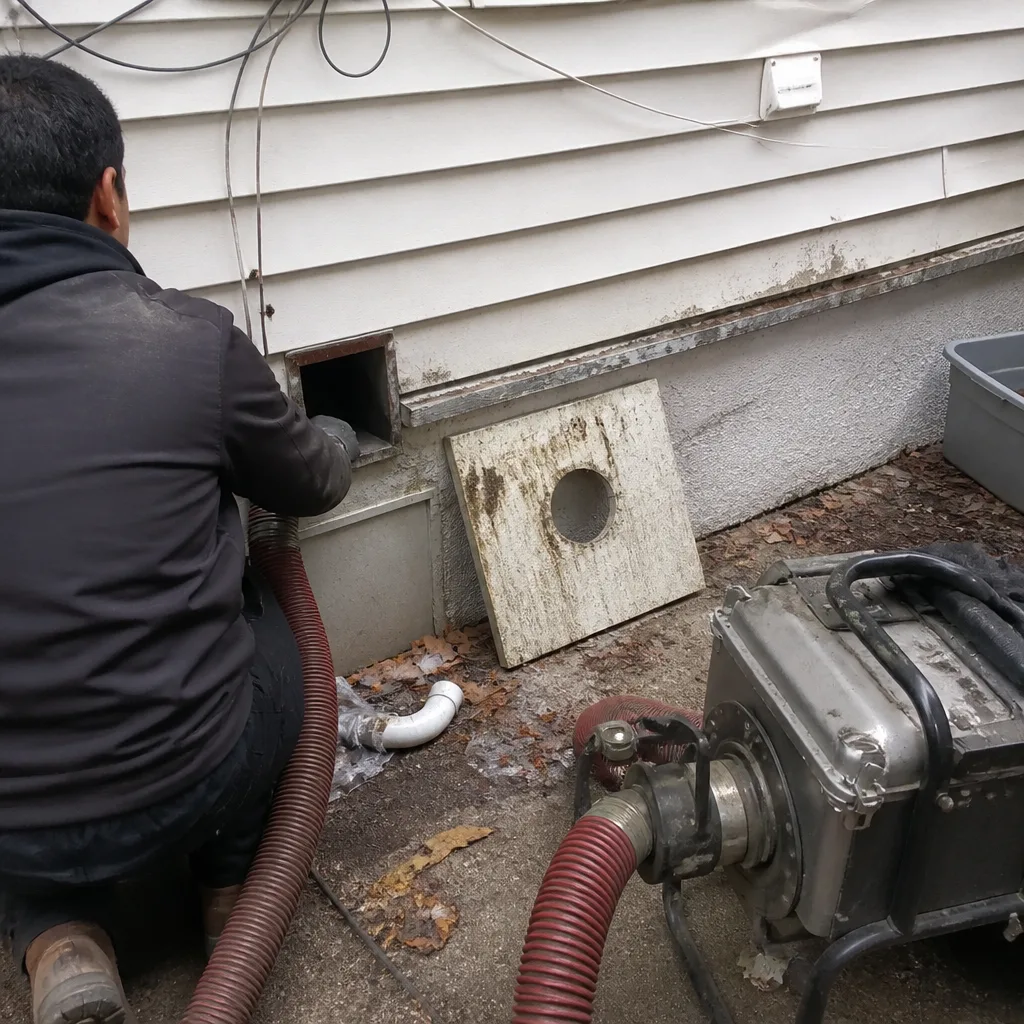 Before
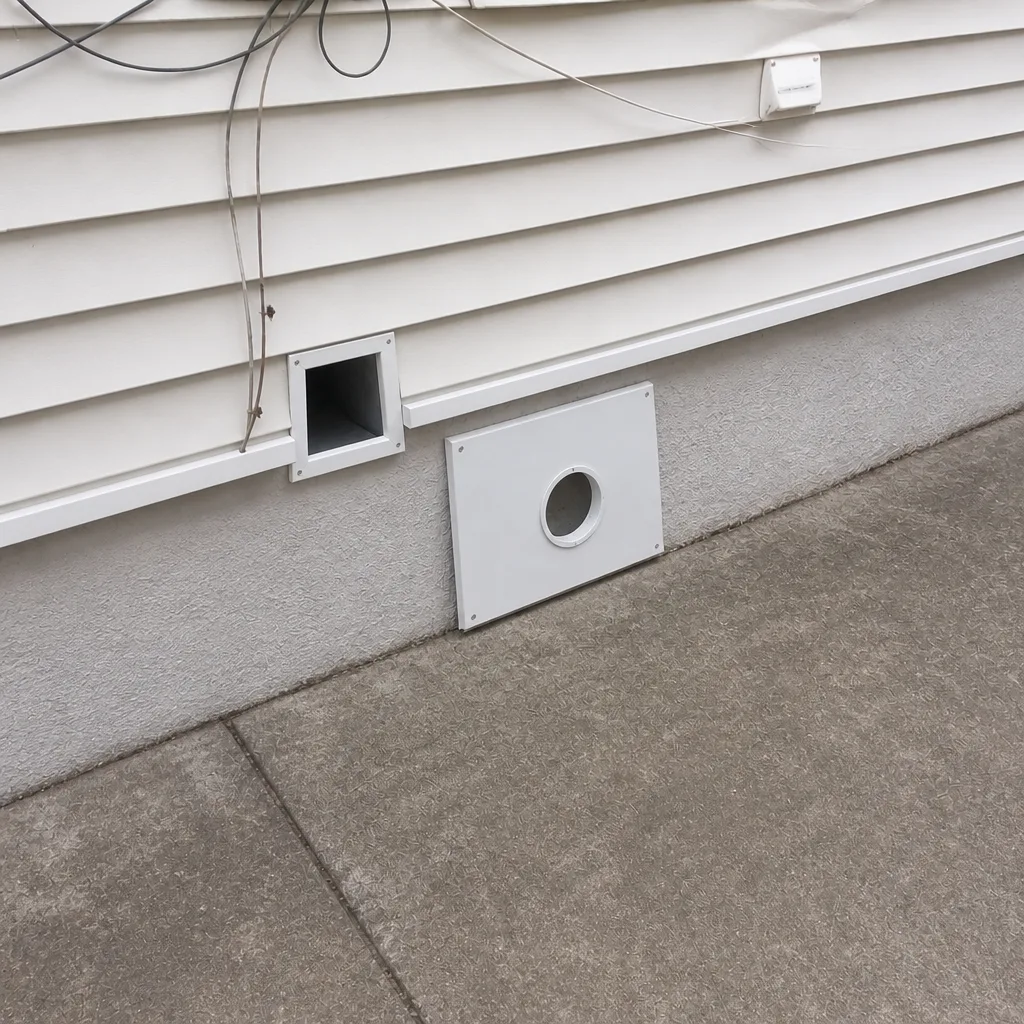 After
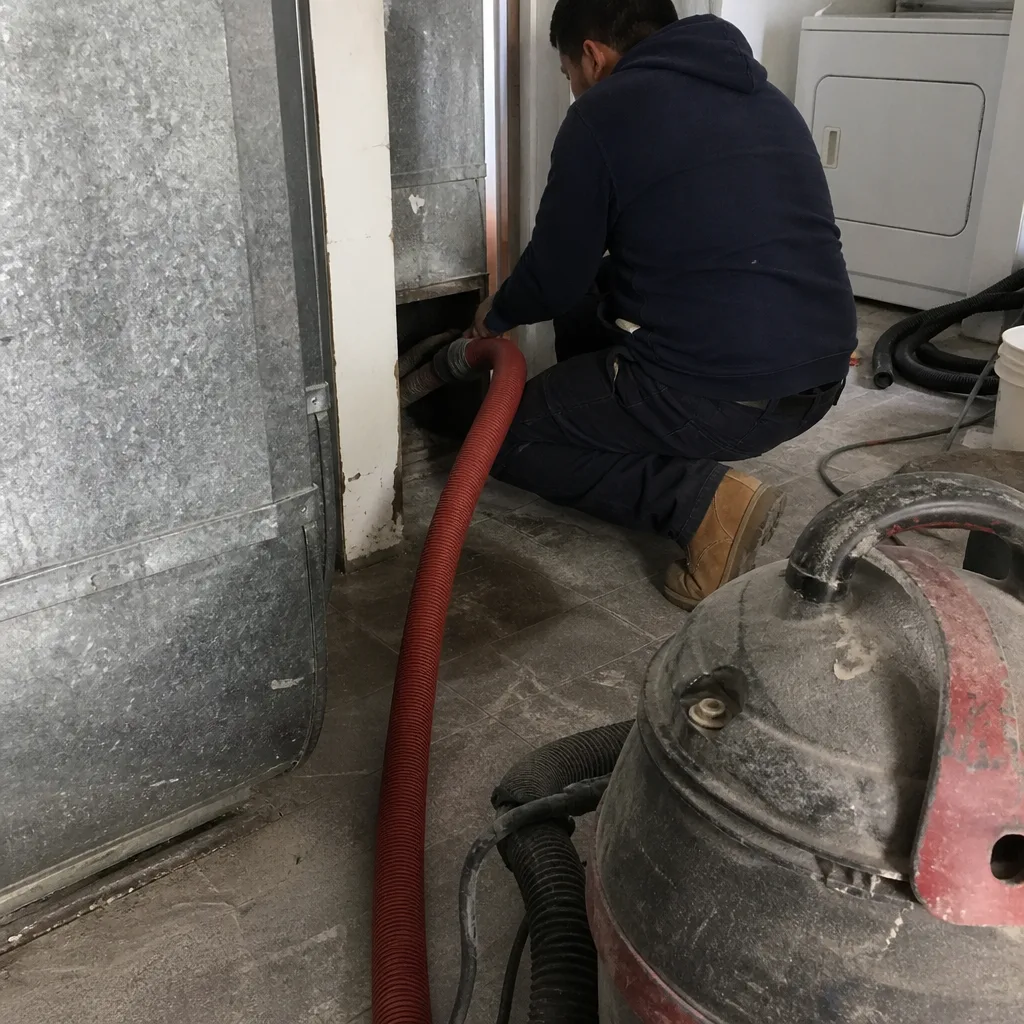 Before
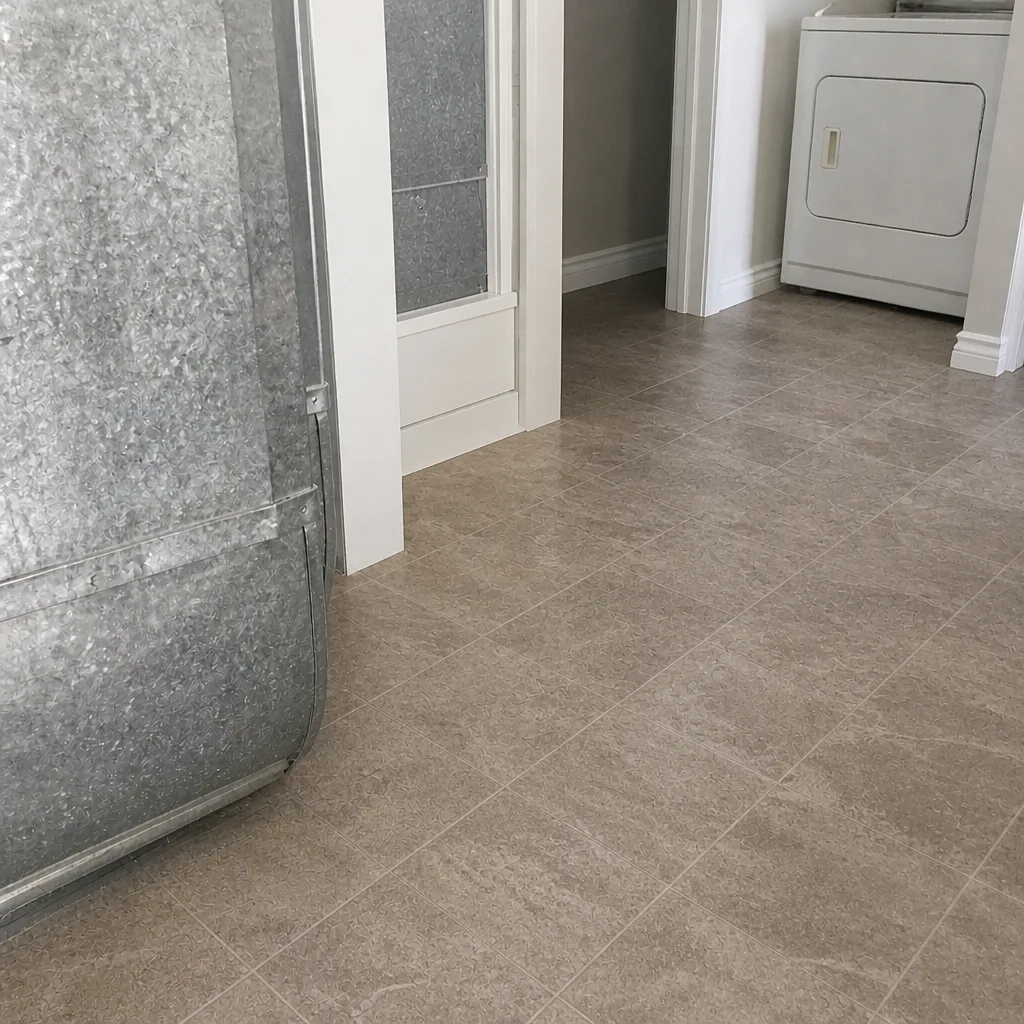 After
 Before
 After
When to Call a Professional
Some of the work in this guide is a homeowner decision, and some of it isn’t. Call us when you don’t know whether a repair needs a filing, when the building is older and the duct materials are uncertain, when a violation history suggests the system has been modified before, or when you need documentation that satisfies both an insurer and a future inspection. Also call when you’re ready for a system that’s clean, sealed, and sanitized in one engagement, so nothing gets left half-done. Air Duct Cleaning East New York offers free estimates in East New York. Call (833) 362-3254. We answer 24/7. Fast dispatch from 7am to 7pm, Sunday through Friday.
Frequently Asked Questions
No, routine air duct cleaning in East New York generally does not require a permit because it’s classified as maintenance rather than alteration. Cleaning, sanitizing, and filter replacement fall on the maintenance side of the NYC building code. Duct repair, sealing that changes the system layout, and any modification to the mechanical configuration can require a Department of Buildings filing. When in doubt, call the DOB and ask about your specific scope. Call (833) 362-3254 for an estimate on the cleaning portion.
Expect a whole-system range rather than a per-vent price, and insist on a flat price per system agreed before work starts. Per-vent pricing is where the bait-and-switch reputation of this industry comes from, because the quote can change once the technician sees the system. Every job is different based on the number of systems, the accessibility of the ducts, and whether repair or sealing is needed. Call (833) 362-3254 for an exact quote, and estimates are free.
The cheap quote usually covers a different job than the one you think you’re buying. Consumer-grade vacuums passed off as duct cleaning, no camera inspection, no sealing, and no documentation are all common ways a quote gets low. Professional-grade Rotobrush and Nikro equipment costs more to run, and duct repair in the same engagement costs more than cleaning alone, but the work is verifiable. Call (833) 362-3254 to talk through the scope.
Ask for before-and-after photos of your own ducts, not stock images from a portfolio. You should also get a written scope of work naming every step, the ACP-5 if the building required one, and the DOB filing record if the repair was alteration work. That file is what makes the job verifiable. Call (833) 362-3254 to schedule an inspection that produces that documentation.
An ACP-5 is a New York City form filed by a licensed asbestos investigator that certifies whether building materials in the area of work contain asbestos. You may need one before duct cleaning if the building is older and the ducts are wrapped or sealed with materials that could contain asbestos. If the ACP-5 confirms asbestos, DEP notification and licensed abatement happen before cleaning or repair. Call (833) 362-3254 to discuss whether your East New York property needs one.
Most homes in East New York benefit from an inspection every few years, and cleaning when the inspection shows real debris buildup rather than on a fixed schedule. Homes with pets, recent renovation dust, or a history of moisture issues need attention sooner. A property with a clean, sealed system and a good filter often needs less frequent service than one with unsealed ducts and no filtration. Call (833) 362-3254 for a free estimate and a look at your system.
The Bottom Line
Air duct cleaning itself rarely needs a permit in East New York, but duct repair, sealing that changes the layout, and any modification of the system can cross into alteration territory that requires a Department of Buildings filing. Older buildings need an asbestos check before any extraction begins, larger properties should consider Local Law 97 and Energy Code context, and violation history on the property is a useful starting point for what to inspect. Get the scope in writing, ask for photos of your own ducts, and hire the team that can clean, seal, and sanitize in one job. Call (833) 362-3254 for a free estimate. We answer 24/7. Fast dispatch from 7am to 7pm, Sunday through Friday.
Written by the team at Air Duct Cleaning East New York.