
Last updated November 22, 2026
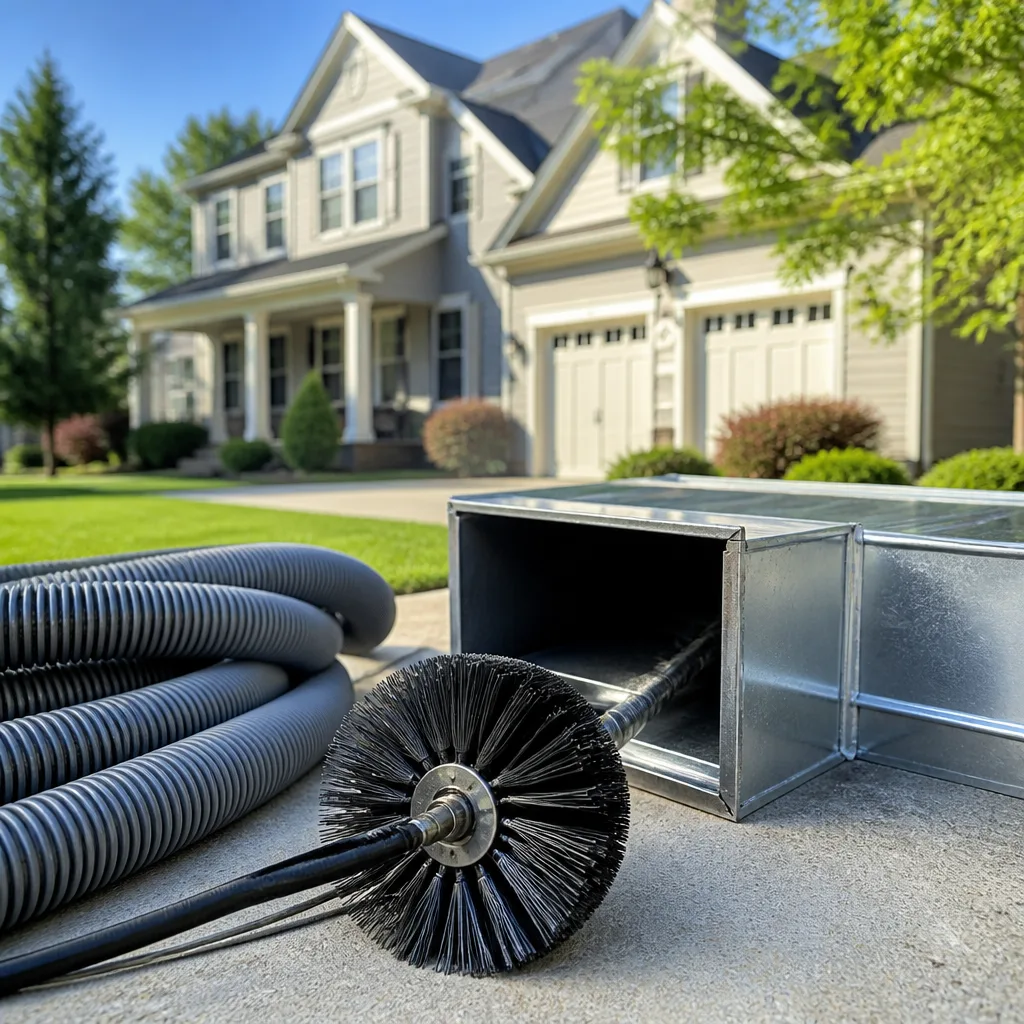 Whole-home duct cleaning
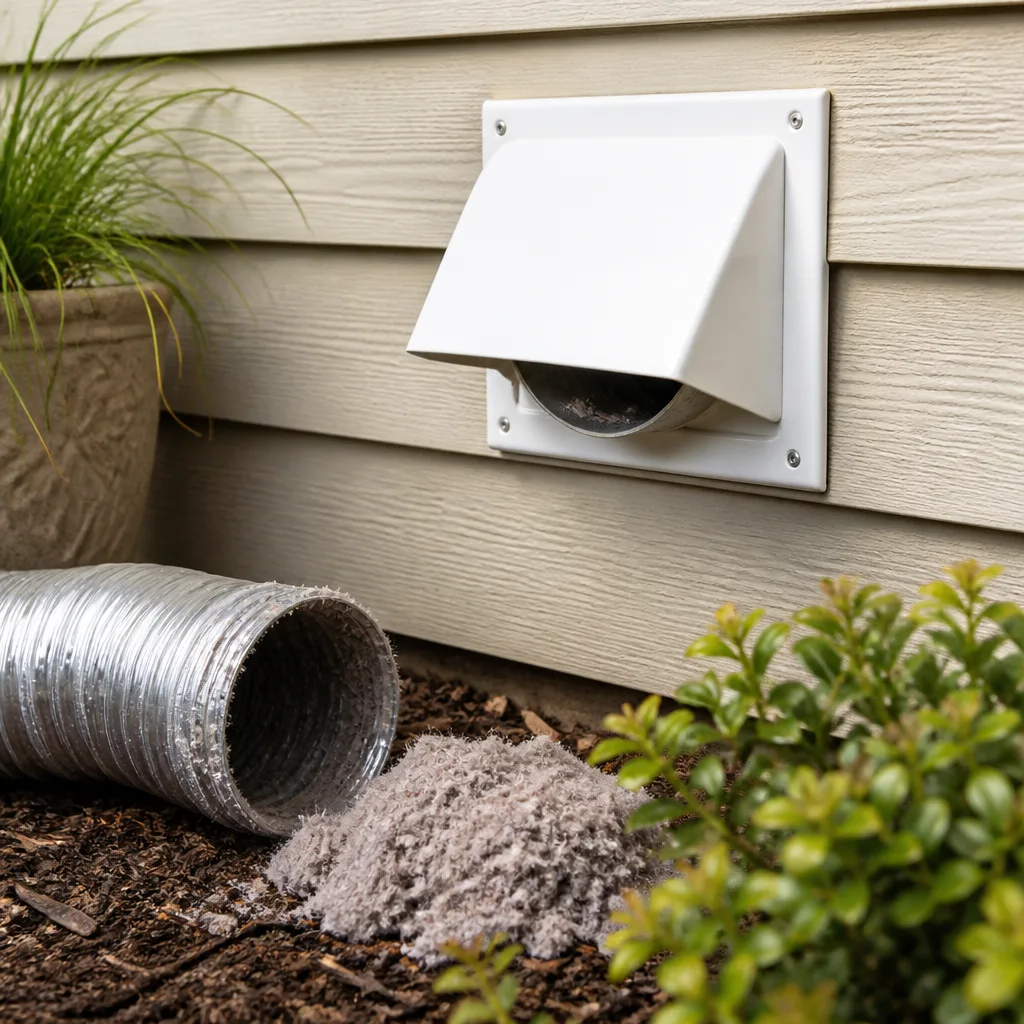 Dryer vent cleaning
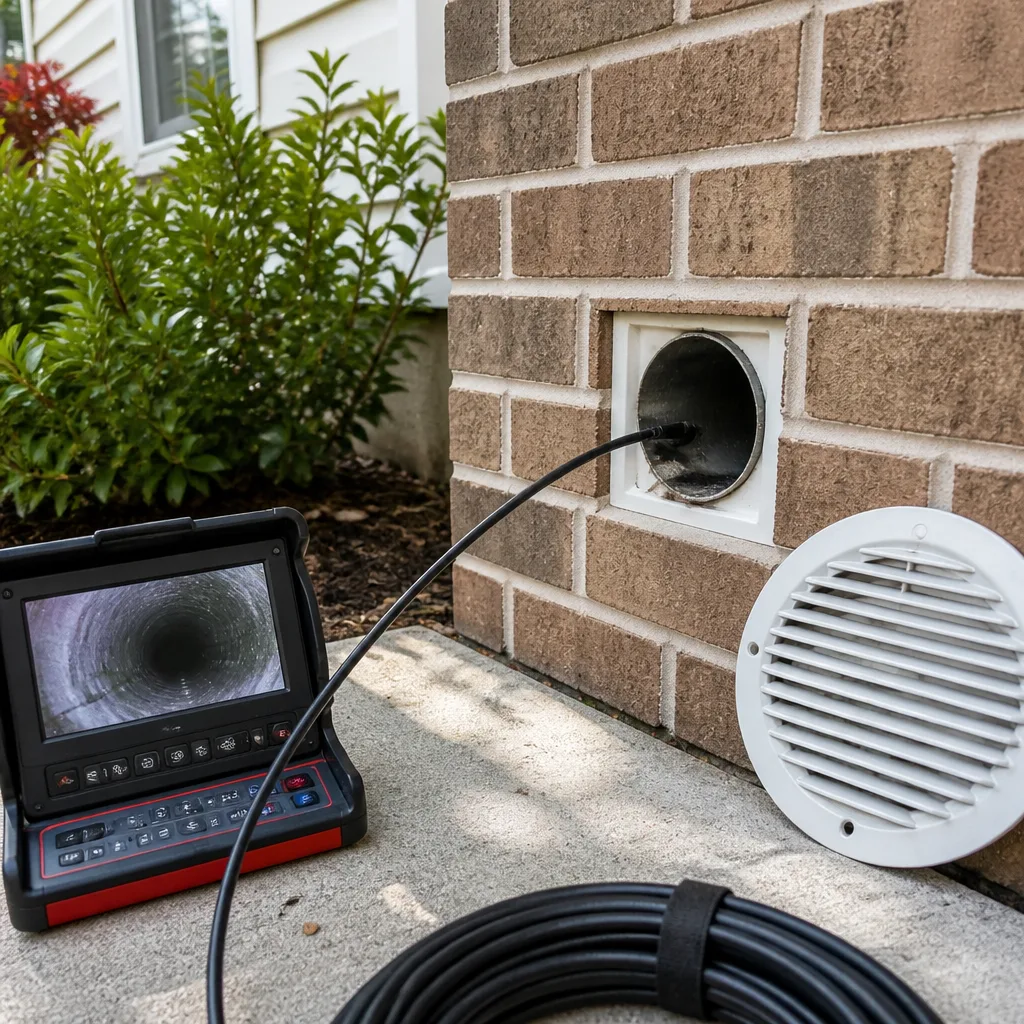 Camera inspection
 Sanitizing & deodorizing
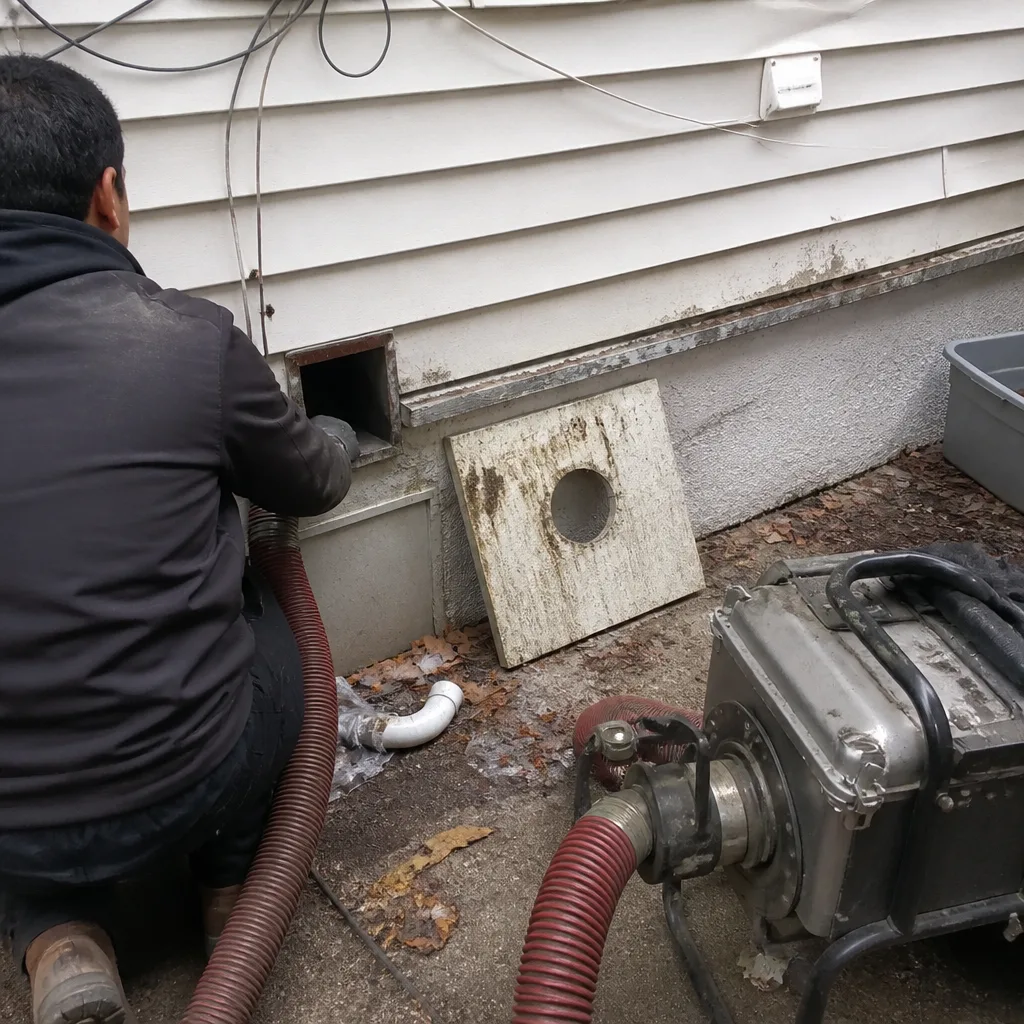
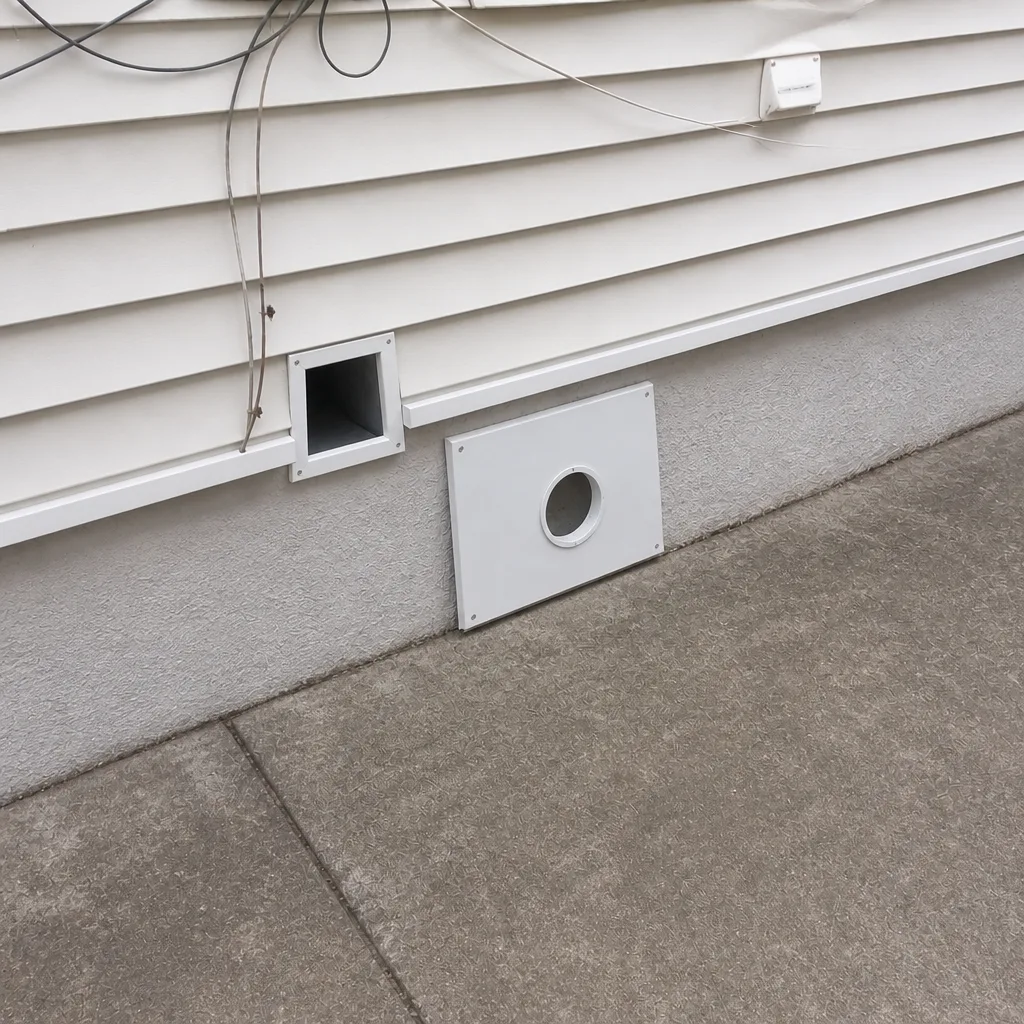
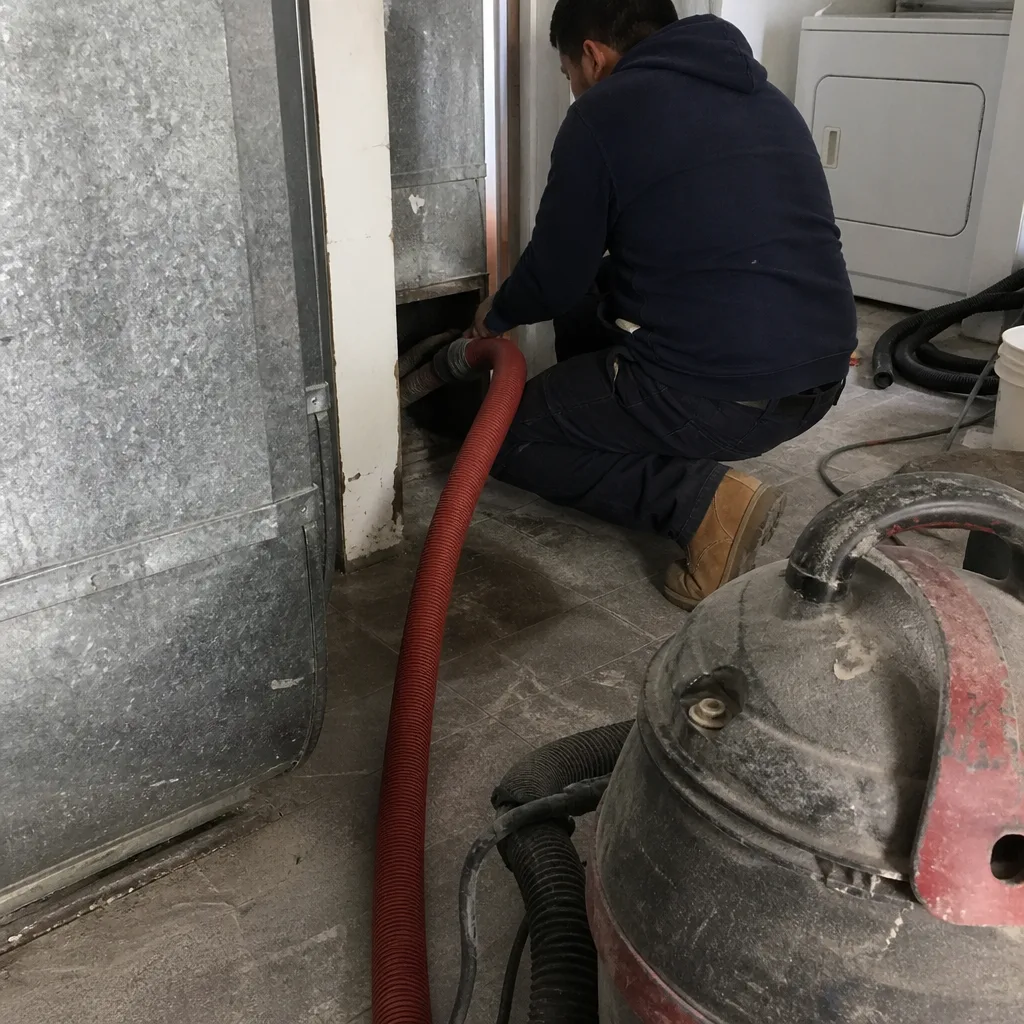
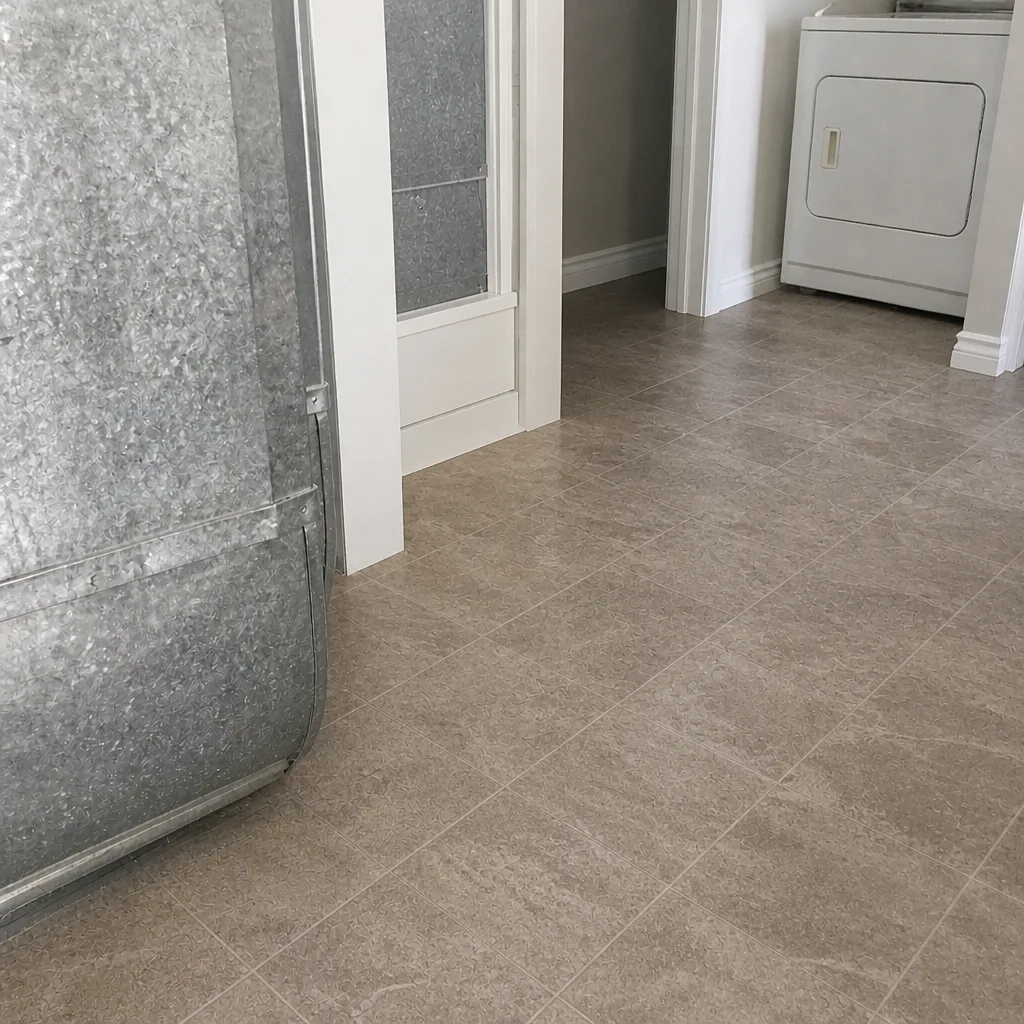
Whole-system duct and dryer vent check with before-and-after photos - you see exactly what came out of your vents
That "$99 whole-house special" is a bait ad - the real number appears once they are in your hallway, or the "clean" is a shop-vac at the register. We photograph the inside of your ducts before and after instead.
Choosing the Right Air Duct Cleaning Brand: A Buyer’s Guide for East New York
When a duct cleaning company says they use “professional equipment,” that phrase covers everything from a $400 consumer brush kit to a $40,000 truck-mounted extraction system. The gap in what those two setups can actually accomplish inside your ductwork is not subtle, and it’s the difference most East New York homeowners never think to ask about. Brand names on a van don’t tell you much. The equipment platform underneath the brand does. This guide breaks down what Rotobrush and Nikro systems actually do, how to read a contractor’s equipment choices as a signal of how seriously they take the work, and how to tell whether a company can handle the full arc of a job or will need to hand off the moment they find a problem.
Quick Answer
The right air duct cleaning company in East New York is the one whose equipment matches your duct system and contamination type, not the one with the loudest advertising. Look for source removal using rotary brush agitation with simultaneous vacuum extraction (Rotobrush-style) for typical residential ductwork, and high-CFM negative air extraction with HEPA filtration (Nikro-style) for heavier contamination, mold, or post-remediation scenarios. Ask which platform they run and why. A contractor who can explain the match is one who has invested in training and equipment depth, and that’s the clearest signal you’ll get before they show up.
Styles & brands we work with
- Whole-home duct cleaning
- Dryer vent cleaning
- Camera inspection
- Sanitizing & deodorizing
Table of Contents
- Why the Equipment Platform Matters More Than the Brand Name
- What Rotobrush Systems Actually Do Inside Your Ducts
- What Nikro Brings to Heavier Contamination and Remediation Work
- How to Ask a Contractor Which Platform They Use
- Equipment as a Proxy for How a Company Invests in the Work
- The Full Service Arc: Cleaning, Sanitizing, Repair, and Sealing
- What’s Different About Duct Systems in East New York
- A Buyer’s Checklist Before You Book Anyone
Why the Equipment Platform Matters More Than the Brand Name
Two companies can both print “air duct cleaning” on a magnet and arrive with completely different capabilities. One carries a consumer-grade vacuum with a brush attachment. The other runs a purpose-built rotary brush system with integrated HEPA extraction. The job has the same name. The outcome does not. That’s why the brand question is really an equipment question wearing a costume.
In our experience, the confusion starts because the industry uses one phrase (“professional duct cleaning”) to describe a range of technical approaches. A company with a $400 brush kit and a shop vac is doing one thing. A company running Rotobrush contact cleaning with a Nikro negative air machine is doing another. Both will tell you they clean ducts. Only one is doing source removal that pulls dislodged debris out of the system rather than just loosening it and hoping it settles back.
Here’s the plain-language version of what a real cleaning setup actually does:
- Agitation. Something has to break the bond between accumulated debris and the duct wall. Rotary brushes do this mechanically and reach surfaces a hand brush can’t.
- Simultaneous extraction. The moment debris is airborne, it must be captured. That requires vacuum running in tandem with the brush, not after it.
- Containment. Negative pressure keeps contamination from migrating into the living space. HEPA filtration handles particles that would otherwise pass back through the machine.
- Inspection. You can’t clean what you can’t see. Camera inspection shows the actual condition before and after.
A company that can name its platform and explain how it does each of those four things is a company that understands the work. That’s the level of technical grounding worth asking for in East New York, where housing stock spans older multi-family buildings and newer construction, and the duct conditions between them vary widely.
What Rotobrush Systems Actually Do Inside Your Ducts
Rotobrush is the system most residential duct cleaners should be running, and understanding why helps you evaluate the ones that aren’t. The core method is rotary brush agitation combined with simultaneous vacuum extraction. A rotating brush head travels through the duct, physically breaking loose debris from the walls, while a high-powered vacuum pulls that material out at the same time. The brush and the vacuum work as one unit. Neither does the full job alone.
What this method handles best:
- Standard residential ductwork – the sheet metal and flex runs that make up most home systems, including the configurations common in East New York rowhouses and multi-family buildings.
- Routine accumulation – the dust, lint, pet hair, and construction debris that builds up on duct walls over years of occupancy.
- Contact cleaning – the physical scrubbing action reaches surfaces, not just the air passing through them.
- Visible-before, visible-after work – camera documentation of what came out and what the duct looks like after is a natural fit with this method.
Where Rotobrush is not the right tool: heavy biological contamination, mold colonization inside the duct system, or post-remediation scenarios where the contamination profile goes beyond ordinary debris. That’s not a knock on the platform. It’s an honest statement of what each system is built for, and it’s exactly why a company that operates more than one platform can match the tool to your system instead of using the only tool they own.
If you’re searching for the Air Duct Cleaning East New York company that operates Rotobrush as part of a broader equipment suite, that’s a meaningful signal. It means the company didn’t buy the cheapest entry point into the trade.
What Nikro Brings to Heavier Contamination and Remediation Work
Nikro equipment fills the gap that rotary brush cleaning alone can’t cover. The platform is built around high-CFM negative air extraction and HEPA filtration, which means it can pull large volumes of air through a sealed duct system while capturing fine particulate at the filter. That capability matters when the contamination isn’t just dust.
When Nikro-style equipment is the right match:
- Mold and biological contamination – situations where the duct system has sustained moisture intrusion and microbial growth has taken hold on duct surfaces.
- Post-remediation cleanup – after a water loss, fire, or restoration project, the duct system needs a level of extraction and filtration that goes beyond routine cleaning.
- Heavy debris loads – systems that have gone years without attention or have been exposed to renovation dust, pest activity, or other concentrated contamination sources.
- Sanitizing protocols – the extraction platform pairs with chemical treatment steps following established remediation protocols.
For the sanitizing side of that work, the protocols matter as much as the machine. Abatement Technologies protocols are the standard applied in remediation and restoration work, which is a different discipline than routine residential cleaning. A company that has built those protocols into its air quality and sanitizing service is one that treats biological contamination as a remediation problem rather than a marketing opportunity.
This is the difference between a cleaning and an air quality solution. Debris removal gets the dust out. Sanitizing and proper extraction address what’s growing on the surfaces. Both are part of the same job when the contamination profile calls for it, and a company running only one platform can only do half.
How to Ask a Contractor Which Platform They Use
The single most useful question you can ask a duct cleaning company before booking is also the simplest: which equipment platform do you run, and why did you choose it for my system? The answer tells you more than any brochure.
Here’s how to read what you hear:
- They name the platform and explain the match. “We run Rotobrush for standard residential contact cleaning and Nikro for heavier contamination.” That’s a company that has thought about the work and invested in more than one tool.
- They name a platform but can’t say why. “We use Rotobrush” without further explanation is a weaker signal. It may still be fine, but it tells you less about how they’d handle a complication.
- They say “professional equipment” and nothing specific. Ask again. If the answer stays vague, you’re talking to someone who either doesn’t know their own setup or doesn’t want you to.
- They can’t answer at all. That’s your answer. Move on.
The follow-up questions worth asking:
- How do you contain debris during cleaning? (Negative pressure and HEPA filtration should come up.)
- Do you inspect with a camera before and after? (Yes is the right answer. Before-and-after photos of your own ducts are the proof you should ask for.)
- What happens if you find mold or damaged ductwork? (If they subcontract, ask who. If they handle it, ask how.)
- Are you familiar with the air quality equipment already installed in my home? (Honeywell and Aprilaire systems are common, and the right contractor knows how to work around them without causing damage.)
In East New York, where duct systems vary widely by building age and configuration, these questions separate the companies that can diagnose and handle complications from the ones that only know one job. Getting a free estimate from a company that can answer all four without hesitation is the fastest way to sort through the market.
Equipment as a Proxy for How a Company Invests in the Work
A company’s equipment suite is a public record of how much it has invested in doing the job right. That’s not a perfect proxy for quality, but it’s a better signal than advertising spend or a coupon on a mailer.
Consider what it costs to build a real equipment suite. A Rotobrush system with proper attachments and a camera is a meaningful investment on its own. Adding Nikro negative air equipment with HEPA filtration multiplies that. Adding duct repair and sealing capability multiplies it again. A company that has made those investments has also made an implicit commitment to the training required to operate them and to the technical discipline required to interpret what the equipment finds. You don’t buy a Nikro machine to run it badly.
What the alternatives signal:
- Consumer brush kit and shop vac. Entry-level. Can agitate debris but poorly captures it. Rarely includes real containment.
- Single-platform professional setup. Real cleaning, but limited to one contamination profile. Fine for routine jobs, limited when problems turn up.
- Multi-platform suite with repair capability. Handles the full arc of a job: inspection, cleaning, sanitizing, sealing, and structural repair. Less likely to need a second contractor.
The middle and top tiers are where most East New York homeowners want to land. The bottom tier is what produces the disappointing results people describe when they say duct cleaning “didn’t do anything.” It usually didn’t, because the equipment couldn’t.
The Full Service Arc: Cleaning, Sanitizing, Repair, and Sealing
Cleaning is the most visible part of the work, but it’s the middle of a longer process. A company that only cleans will hand off the moment they find a leaky joint, a collapsed flex run, or microbial growth. A company capable of the full arc can diagnose, clean, correct, and seal in one engagement.
The stages, in order:
- Inspection. Camera and visual assessment identify debris load, contamination type, duct condition, and any structural problems before cleaning starts.
- Cleaning. Source removal using the right platform for the contamination profile, with containment maintained throughout.
- Sanitizing. Where biological contamination is present, treatment following remediation protocols (Abatement Technologies being the standard reference) addresses what cleaning alone leaves behind.
- Repair and sealing. Leaky joints, disconnected runs, and damaged sections get corrected and sealed. This is where the biggest efficiency gains usually come from, because a sealed duct system moves air the way it was designed to.
- Verification. Before-and-after documentation shows the work was actually done, and the system is checked for proper function.
The sealing stage is the one most cleaning-only companies can’t reach. And it matters. A freshly cleaned duct system with unsealed joints loses conditioned air into wall cavities and attic spaces, which shows up on energy bills. Cleaning addresses contamination. Sealing addresses efficiency. A company that can do both in one visit is delivering more than the sum of the parts.
If you already have air quality equipment installed, compatibility matters too. Honeywell and Aprilaire systems are common in homes that have invested in filtration and humidity control, and a contractor unfamiliar with them can cause damage or leave them disconnected. Knowing how to work around existing equipment is part of what “full arc” actually means. You can read more about that side of the work on our air duct cleaning service page.
What’s Different About Duct Systems in East New York
East New York covers a lot of ground, and the housing stock ranges from early twentieth-century rowhouses to mid-century multi-family buildings to newer construction. That range produces a range of duct conditions that a generic approach can’t address.
What we see most often:
- Original galvanized ductwork in older buildings, which is durable but develops seam leaks over time as joints loosen with seasonal temperature swings.
- Retrofitted flex duct runs in buildings that were updated, which are less durable and more prone to kinks, sagging, and disconnection.
- Multi-family configurations with shared or stacked systems where containment during cleaning matters more, not less, because debris migrating between units is a real concern.
- Basement and crawl space runs exposed to higher humidity, which creates conditions where biological contamination can develop.
None of this is unique to East New York, but the combination is. The heating season is long and the summer humidity is real, and duct systems here spend part of the year running heat and part of the year running cool, moist air. That cycle is exactly what produces the conditions where debris accumulates and microbial growth can start. A company that cleans for East New York has to understand that cycle, and match equipment and method accordingly.
Dryer vents deserve their own note here, because they’re part of the same indoor air and safety picture. dryer vent cleaning addresses a fire risk the NFPA has identified, and it’s a distinct job from duct cleaning. A company that treats it as an upsell afterthought is telling you something about how it views the work. A company that offers it as a dedicated service is telling you it understands the safety stakes.
A Buyer’s Checklist Before You Book Anyone
Run through this before you commit to a company. It’s a five-minute exercise that saves a lot of regret.
- Can they name their equipment platform and explain the match? Rotobrush for contact cleaning, Nikro for heavier extraction and remediation. Vague answers are a weak signal.
- Do they inspect before cleaning? Camera inspection should happen first. Cleaning without diagnosis is guesswork.
- Do they provide before-and-after photos of your own ducts? This is the proof of work. Any company serious about the job should offer it.
- Can they handle sanitizing if they find mold? Ask about protocols. Abatement Technologies is the standard reference for remediation-grade sanitizing.
- Can they repair and seal ducts, or do they subcontract? One provider for the full arc is cleaner and less expensive than two.
- Do they know the air quality equipment in your home? Honeywell and Aprilaire compatibility matters. Guardsman connections on dryer vent work matter too.
- Is the price agreed before work starts? A written estimate sets the final price. A quote that changes once the technician is on site is a red flag.
- Do they offer HVAC cleaning as part of the scope? Coils and components collect as much debris as ductwork. A company that ignores them is cleaning half the system.
Air Duct Cleaning East New York operates Rotobrush and Nikro systems, offers the full arc of cleaning, sanitizing, repair, and sealing, and works around existing Honeywell and Aprilaire equipment. Our technicians have up to 13 years of experience, and the local pro we connect you with is licensed and insured as the state requires. One flat price per system is agreed before work starts, with before-and-after photos of your own ducts.
Common Mistakes to Avoid
- Booking on price alone. The cheapest quote usually reflects the equipment and method behind it. A low price and a consumer-grade setup go together for a reason.
- Not asking which platform they run. “Professional equipment” is not an answer. The specific platform tells you what they can actually do.
- Assuming cleaning is the whole job. Duct systems have leaks, disconnected runs, and seal failures. Cleaning without inspection and repair leaves the bigger problems in place.
- Skipping the dryer vent. It’s a separate system with its own fire risk, and it doesn’t get cleaned just because the ductwork did. Ask about it explicitly.
- Accepting vague sanitizing claims. If biological contamination is a concern, ask what protocol they follow. In East New York multi-family buildings, containment during that work matters more than homeowners realize.
- Not asking for before-and-after documentation. If a company can’t show you your own ducts before and after, you have no way to verify the work happened.
- Ignoring existing air quality equipment. If your home has a Honeywell or Aprilaire system, a contractor who doesn’t recognize it may leave it disconnected or damaged.
See the difference
 Before
 After
 Before
 After
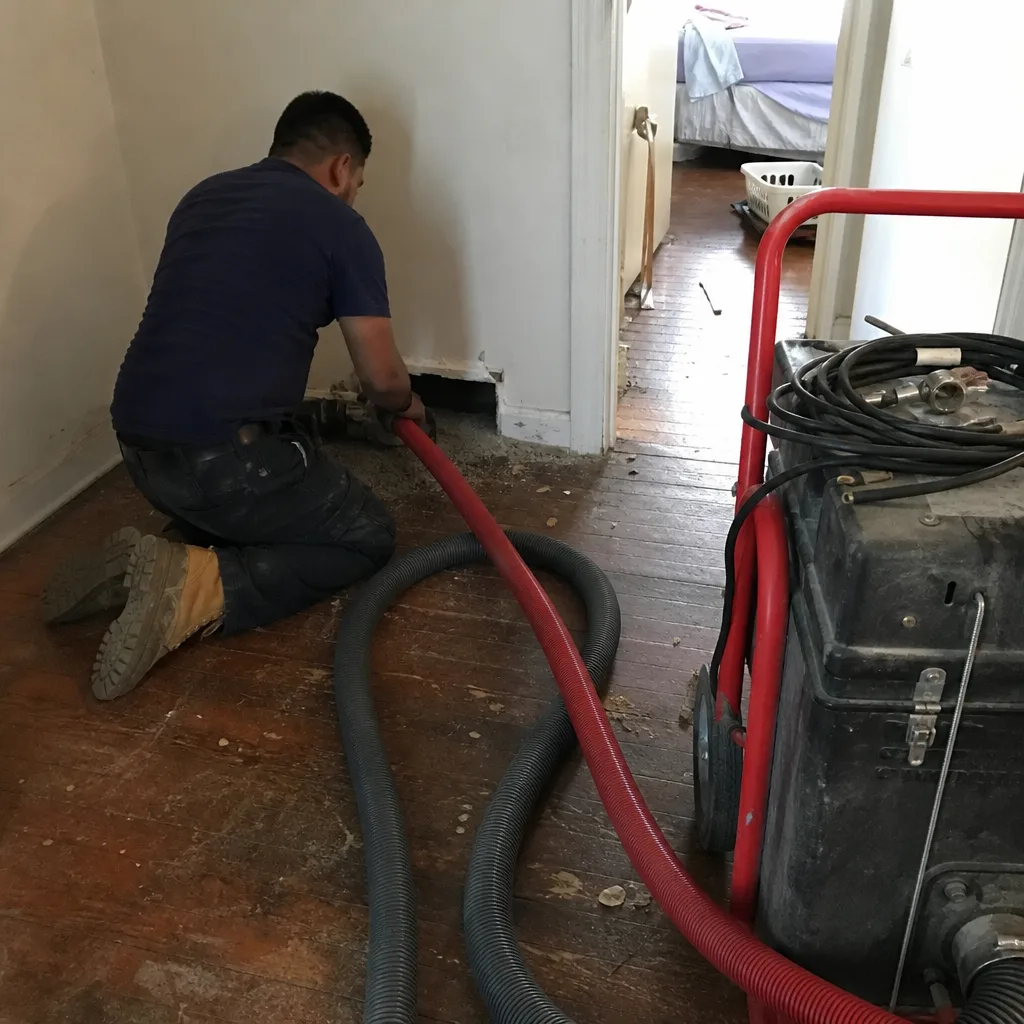 Before
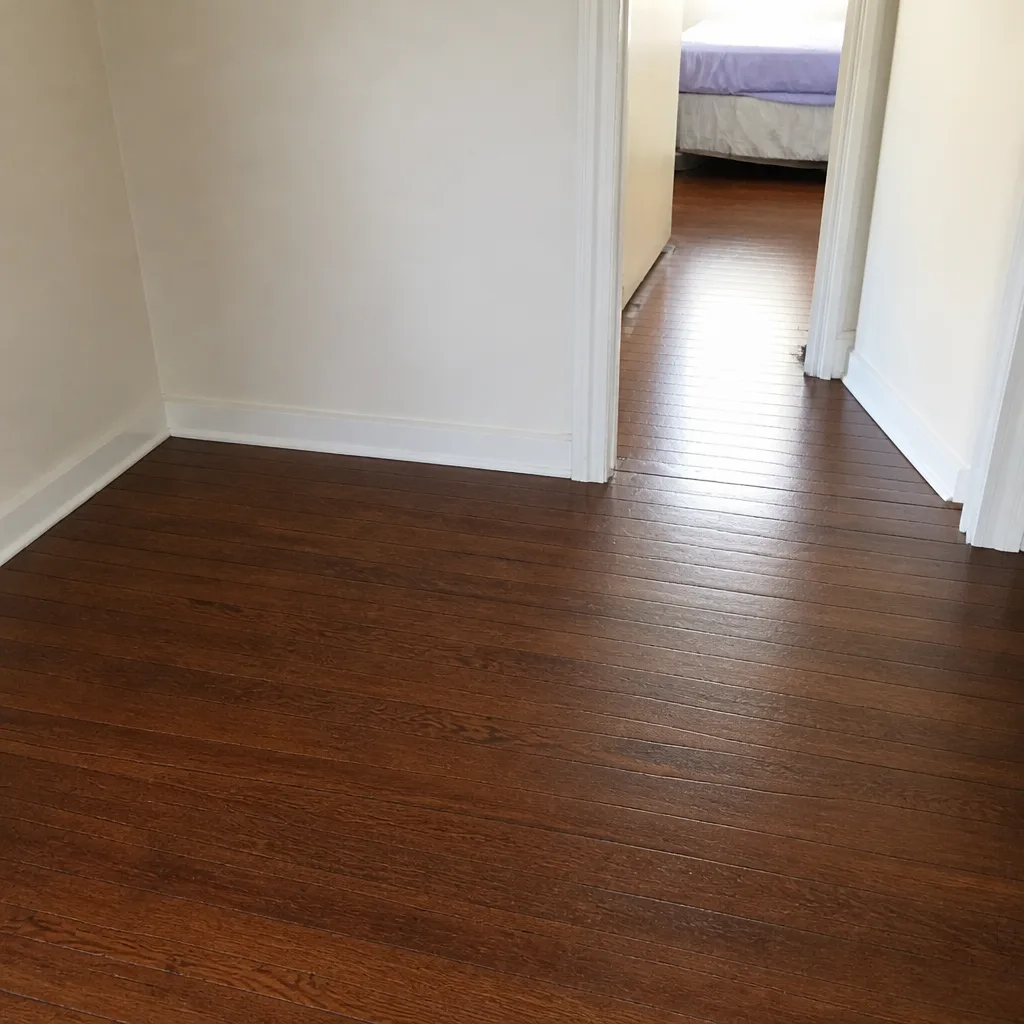 After
When to Call a Professional
Not every duct system needs attention right away, but some conditions warrant a call. Visible debris blowing out of supply registers, a persistent musty smell that returns after cleaning the rest of the house, a notice that the system has gone years without service, recent renovation work, water damage near the system, or a dryer that takes noticeably longer to dry a load are all signals worth acting on. If you’ve noticed that the system feels drafty or rooms are unevenly heated, that can point to leaking ducts that need sealing as much as cleaning. Air Duct Cleaning East New York offers free estimates in East New York. Call (833) 362-3254. We answer 24/7. Fast dispatch from 7am to 7pm, Sunday through Friday.
Frequently Asked Questions
Rotobrush is a rotary brush cleaning system that agitates debris from duct walls while vacuum extraction pulls it out simultaneously. Nikro is a high-CFM negative air extraction platform with HEPA filtration, built for heavier contamination, mold, and post-remediation scenarios. The two serve different jobs, and a company that operates both can match the tool to your system’s condition. Call (833) 362-3254 for an exact quote – estimates are free.
Ask which platform they run and how they contain debris during cleaning. A company using a real platform will name it and explain the method. A company using consumer gear will give a vague answer or change the subject. A written estimate that spells out the method is your best protection. Call (833) 362-3254 to schedule a free estimate.
Yes. Duct repair and sealing are part of the same engagement as cleaning, which means a single provider can inspect, clean, identify problems, correct them, and seal the system without handing you off to a second contractor. That full arc matters in East New York buildings where duct systems are older and leaks are common. Call (833) 362-3254 for an exact quote – estimates are free.
There’s no universal schedule, and any company that claims there is one is selling rather than advising. Most homes benefit from cleaning every few years depending on occupancy, pets, renovation history, and whether the system has had water intrusion. Multi-family buildings and homes with heavy debris loads need it sooner. A camera inspection tells you what your system actually needs. Call (833) 362-3254 to schedule that inspection – estimates are free.
Yes, we work around recognized air quality equipment, including Honeywell and Aprilaire systems, without disrupting what’s already installed. If your system uses those components, mention it when you book so the technician comes prepared. Call (833) 362-3254 to set up a free estimate.
It includes inspection with camera documentation, cleaning with the right platform for the contamination, sanitizing following Abatement Technologies protocols where biological contamination is present, duct repair and sealing of leaks and disconnected runs, and before-and-after proof of the work. Single-step cleaning companies handle only the middle portion. Call (833) 362-3254 to discuss what your system needs – the estimate is free.
The Bottom Line
The “brand” question in duct cleaning is really an equipment question, and the equipment tells you what a company can actually do. Rotobrush handles routine contact cleaning well. Nikro handles heavier contamination and remediation. Companies that operate both, plus repair and sealing capability, deliver the full arc; companies that don’t deliver only part of it. Our technicians have up to 13 years of experience, and we operate Rotobrush and Nikro as part of a suite that includes air quality sanitizing with Abatement Technologies protocols. Ask the equipment question before you book anyone. The answer tells you more than any logo, coupon, or promise. If you want the short version of how to find the best air duct cleaning company East New York has to offer, start with what they’re holding when they walk in the door.
Ready to see the difference a full-arc service makes? Call us at (833) 362-3254 for a free estimate. We answer 24/7. Fast dispatch from 7am to 7pm, Sunday through Friday. One flat price per system is agreed before work starts, with before-and-after photos of your own ducts when the job is done.
Written by the team at Air Duct Cleaning East New York.