
Last updated November 22, 2026
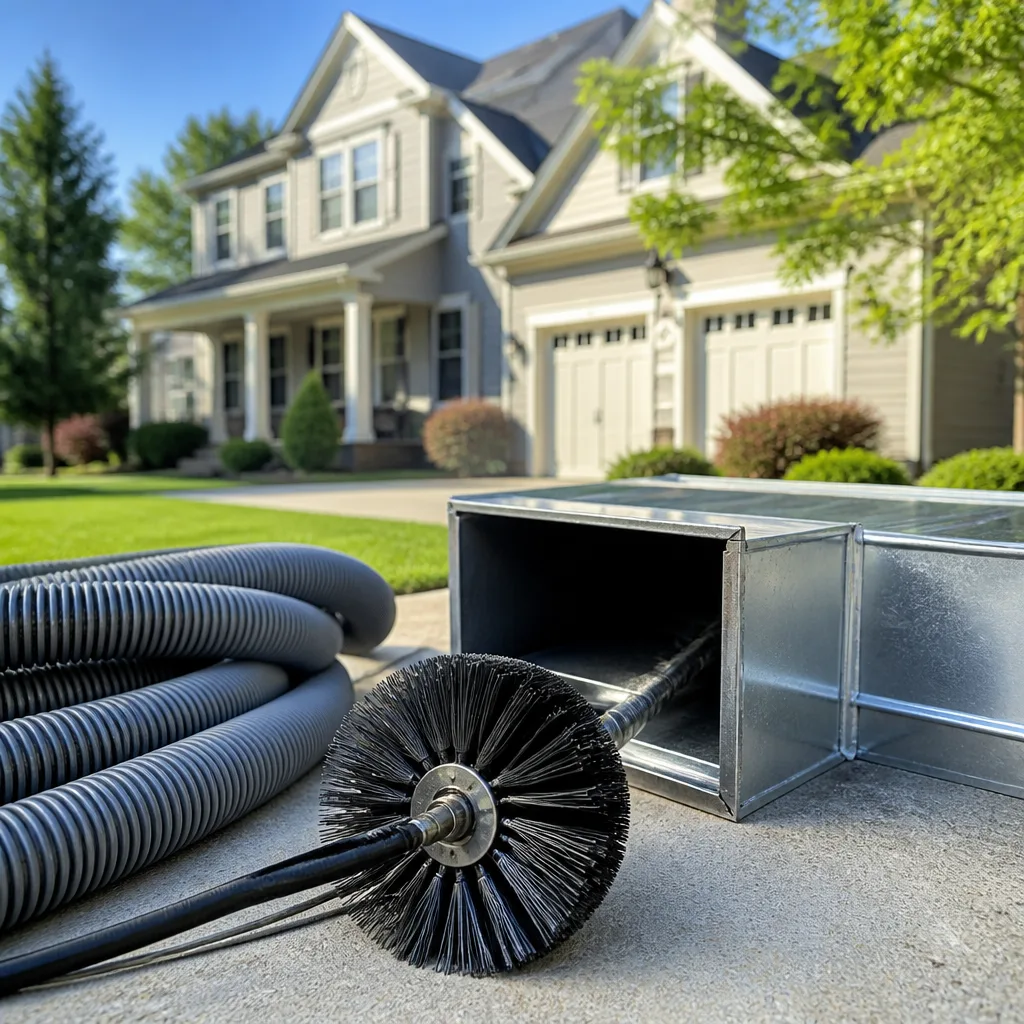 Whole-home duct cleaning
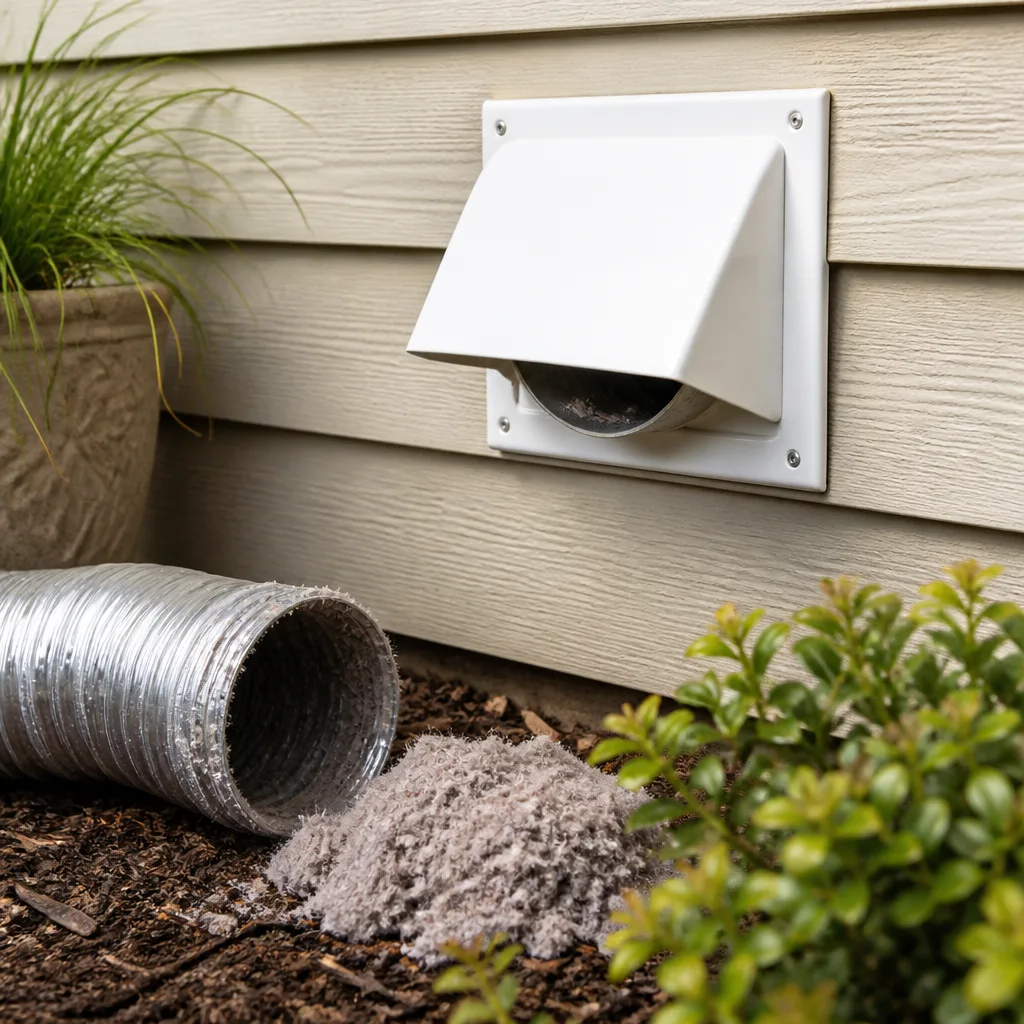 Dryer vent cleaning
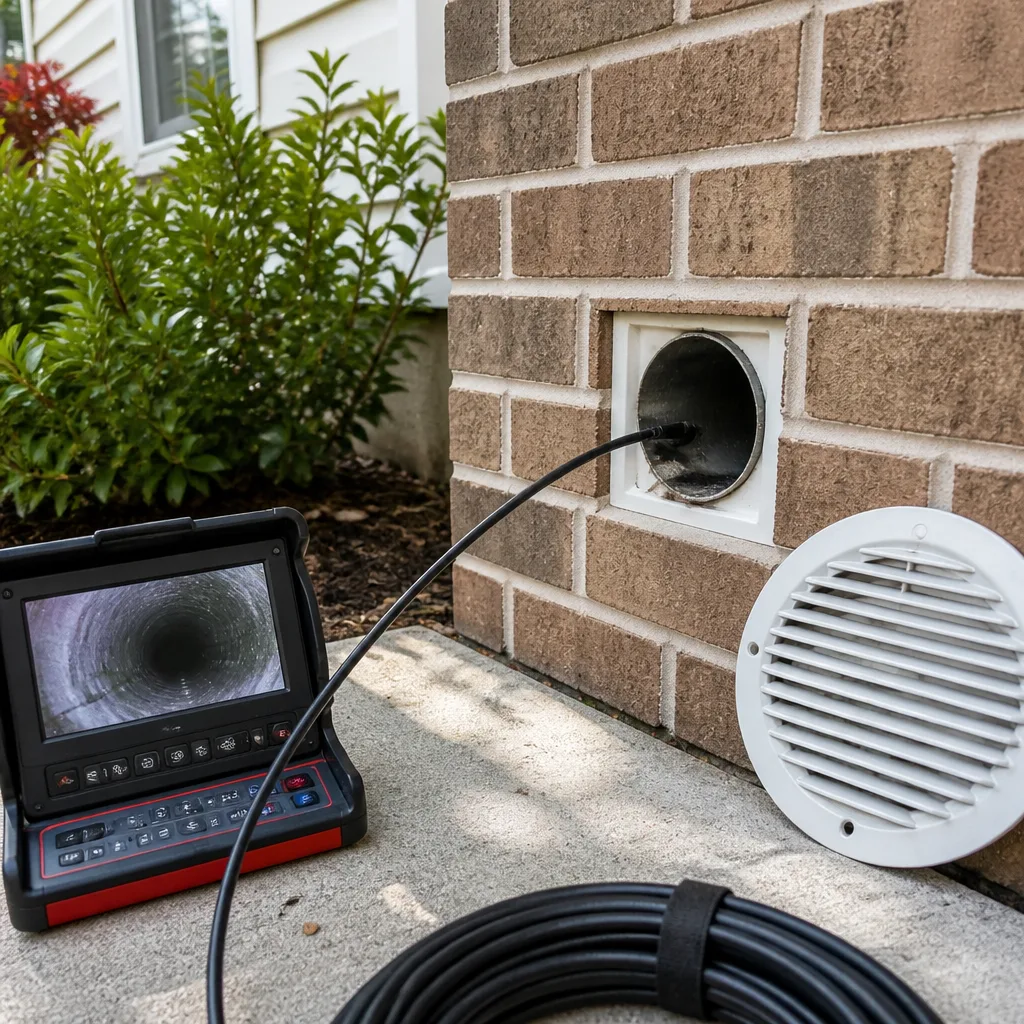 Camera inspection
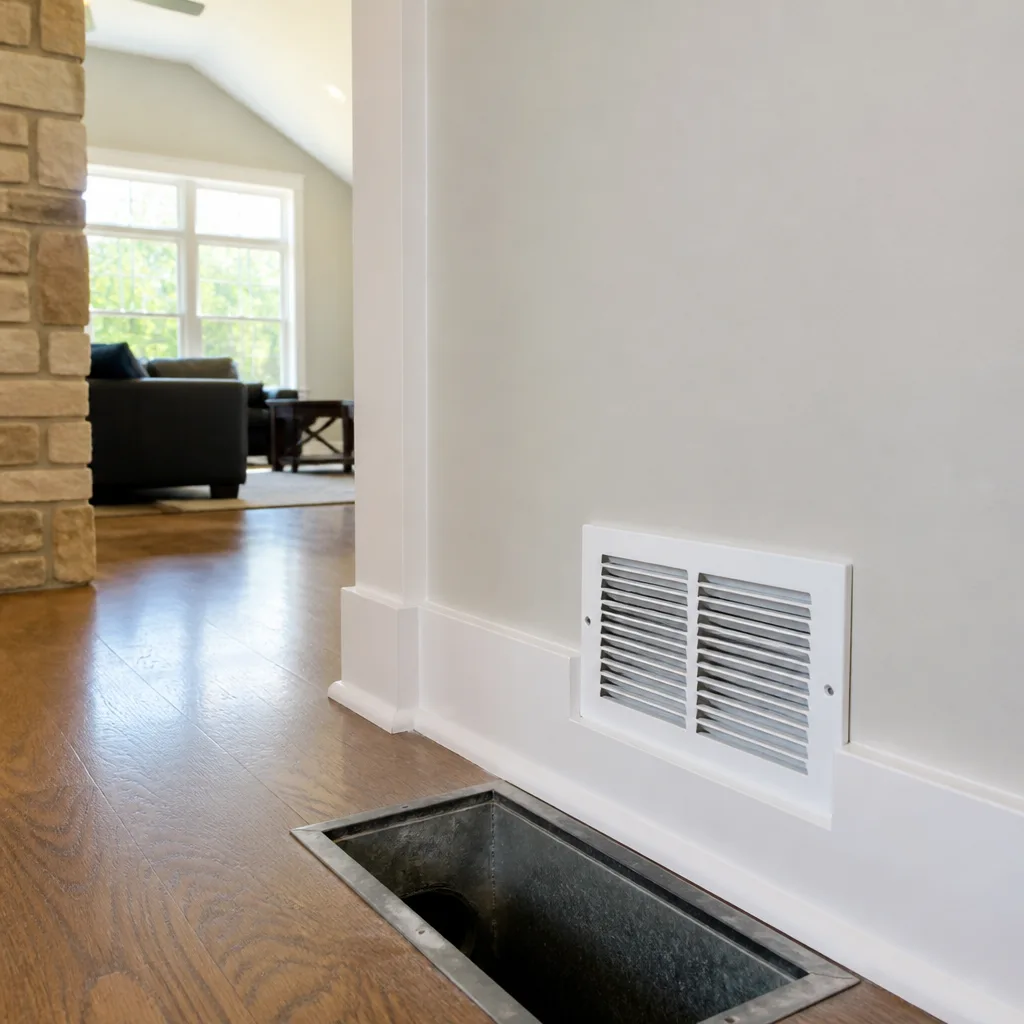 Sanitizing & deodorizing
Whole-system duct and dryer vent check with before-and-after photos - you see exactly what came out of your vents
That "$99 whole-house special" is a bait ad - the real number appears once they are in your hallway, or the "clean" is a shop-vac at the register. We photograph the inside of your ducts before and after instead.
Seasonal Air Duct Cleaning Care for East New York: Year-Round Homeowner’s Guide
If you clean your ducts once in spring and call it done, you’re ignoring what happens inside a duct system that runs air conditioning through a Brooklyn summer and then immediately pivots to heat in October. That’s two distinct contamination loading events, back to back, with almost no recovery window in between. Most seasonal duct advice was written for climates with long, gentle shoulder seasons. East New York doesn’t get those. This guide lays out what each season actually deposits inside your ducts, what to inspect and when, and how to decide whether your home needs one professional cleaning a year or two. Everything here is written for the way HVAC systems really cycle in East New York.
Quick Answer
In East New York, plan on a deep professional cleaning in early spring before cooling season and a lighter inspection or filter reset in fall before the first heating run. Homes with pets, allergy-sensitive occupants, older flex duct, or year-round mechanical cooling often need two full cleanings per year rather than one. The right calendar follows your system’s two heavy cycles, not a generic annual reminder.
Styles & brands we work with
- Whole-home duct cleaning
- Dryer vent cleaning
- Camera inspection
- Sanitizing & deodorizing
Table of Contents
- Why East New York’s Climate Demands a Different Duct Calendar
- Spring: Cleaning Out What Winter Left Behind
- Summer: Watching for Condensation and Mold in Cooling Ducts
- Fall: The Pre-Heating Inspection That Matters Most
- Winter: Tight Homes, Concentrated Contaminants, and Filter Choices
- One Cleaning or Two? How to Decide for Your Home
- What a Complete Seasonal Cleaning Actually Involves
- Common Mistakes to Avoid
Why East New York’s Climate Demands a Different Duct Calendar
East New York sits in one of Brooklyn’s more climatically exposed zones. The urban heat island effect keeps summer surface and attic temperatures elevated well into September, so air conditioning runs longer and harder here than the national average suggests. Then the pivot to heating comes fast. In many homes the AC shuts down and the furnace or boiler-side air handler starts within weeks. There’s no long autumn of open windows to flush the system between the two.
That compressed shoulder season is the reason a single spring cleaning isn’t enough in East New York. Contamination loads twice: once through the cooling season, once through the heating season. A duct system that carries both loads without an intervening look is running a full year on one clean.
Housing stock matters too. East New York has a dense mix of older masonry buildings, semi-attached rowhouses, and newer multifamily construction. Older buildings often have duct runs that pass through unconditioned or semi-conditioned spaces, which makes them more sensitive to condensation and to any gap in the envelope. Newer tight construction traps contaminants rather than diluting them. Both types benefit from a seasonal schedule tuned to how the system actually runs here.
In our experience, the homes that call us with “the air smells off” or “the allergies got worse” are usually running a once-a-year schedule that fit a gentler climate. When you work with us on Air Duct Cleaning East New York, the first conversation is usually about matching the calendar to the building, not just booking a date.
Spring: Cleaning Out What Winter Left Behind
Spring is the most important cleaning window in East New York because of what the heating cycle deposits over the cold months. When the furnace or air handler runs continuously, it pushes warm, dry air through the ducts for months. That cycle leaves three signature residues:
- Combustion byproducts that migrate into return-side ductwork from nearby equipment and from any backdrafting at the appliance.
- Humidifier scale where a whole-house humidifier has been running, which releases fine mineral dust that settles in the duct lining and on the coil.
- Recirculated insulation fibers loosened by thermal cycling and drawn into returns from attic or rim-joist areas.
None of this is visible from the register. It builds quietly and then gets pushed into living space the first time the AC comes on and the blower speed increases.
What pre-cooling-season cleaning accomplishes
- Removes the accumulated winter load before cooling season pushes it into the rooms.
- Cleans the evaporator coil area so summer condensation starts on a clean surface, not a dust mat.
- Lets us inspect flex duct and connections before the system runs at full cooling load.
- Confirms the filter housing and return plenum are sealed.
- Sets the baseline for the mid-summer check.
Spring is also the right time to address duct repair and sealing if the inspection shows disconnected joints or torn flex. Fixing those before cooling season prevents conditioned air from leaking into unconditioned space all summer, which is when the energy loss is largest.
If you’ve never had the system opened up, spring is where you start. Our air duct cleaning service uses Rotobrush and Nikro equipment for contact cleaning and high-efficiency particulate extraction, which is a different job from a vacuum at the register.
Summer: Watching for Condensation and Mold in Cooling Ducts
Summer is when condensation becomes the real risk inside East New York duct systems. Cool air moving through a duct that passes through a warm, humid space will condense moisture on any cold surface. In flex duct, that moisture wicks into the inner liner. Once the liner stays damp between cooling cycles, mold colonization becomes possible. This is the single most common hidden problem we find on mid-season inspections.
What to check mid-season
- Musty odor at the registers when the AC first starts. That smell is a signal, not a nuisance.
- Visible moisture or staining on duct insulation in the basement, crawl, or attic run.
- Water at the air handler or a condensate line that’s slow to drain.
- Reduced airflow at far registers, which can point to a collapsed or waterlogged flex run.
- Filter loading rate. A filter that clogs in half the expected time suggests debris is entering downstream of it.
If you find signs of moisture, don’t run the system harder to “dry it out.” That can spread spores through the whole system. Get it inspected, then treated. Our Air Quality & Sanitizing service uses Abatement Technologies protocols designed for serious indoor air quality remediation, which is the right follow-up when a duct has actually been colonized rather than just dusty.
Mid-summer is also the best time to judge whether your home will need a second full cleaning in fall. If filters load fast and airflow is uneven, plan for it now.
For homes with a whole-house dehumidifier or an air quality controller like a Honeywell or Aprilaire unit, summer is when those systems do the most work. We’re familiar with both lines and handle them correctly during cleaning rather than working around them.
Fall: The Pre-Heating Inspection That Matters Most
Fall is the inspection window most homeowners skip, and it’s the one that matters most for safety. Before the heating system runs for the first time, the ducts adjacent to the heat exchanger and the return path should be checked. Dust, debris, or nesting material near combustion equipment is a carbon concern, and it’s a concern that gets worse the first cold week when the system runs long cycles.
This isn’t a DIY check. Combustion equipment and heat exchangers belong to a trained technician. What you can do at home is watch for the warning signs that mean you should call us before you run the heat:
- The system hasn’t been cleaned since last heating season.
- You noticed dust blowing from registers when the heat ran last year.
- You’ve had any work done on the furnace, air handler, or duct routing.
- There’s a new odor, especially a burning or dusty smell, the first time you run heat.
- You have a humidifier on the system that hasn’t been serviced.
Fall is also when to schedule HVAC cleaning so the coil, blower, and cabinet are clean before the heating season rather than after. A system that enters the heating season clean runs the winter with a lighter load, which means less spring cleaning volume next year.
For East New York homes that pivot directly from AC to heat with little transition, this fall inspection is what bridges the two seasons.
Winter: Tight Homes, Concentrated Contaminants, and Filter Choices
Winter changes the indoor air problem from “what’s in the ducts” to “how concentrated it is.” In East New York, homes close up tight for the cold months. Windows stay shut, air exchange drops, and whatever is in the ducts and on the filter recirculates for months with little dilution. That’s when seasonal contaminants concentrate most.
What helps in winter
- Upgrade filter efficiency within the system’s rating. A higher MERV filter traps more, but only use one the blower can handle. A filter that’s too restrictive strangles airflow and puts strain on the motor.
- Change filters more often. Winter recirculation loads a filter faster than summer because the system runs continuously and there’s no fresh-air dilution.
- Keep returns unobstructed. Furniture and rugs over return grilles reduce return airflow and concentrate contaminants in the rooms that need it least.
- Watch humidity. A humidifier that’s running too high adds moisture the ducts don’t need in winter. Aprilaire controls should be set to a seasonal target, not left on a summer setting.
- Consider an air quality controller. A Honeywell unit that ties filtration and ventilation together gives you better control over the winter indoor load.
Winter is also the time to plan. If you know your system is due for spring cleaning, book it before the season fills. Winter maintenance of the duct system itself is largely about protecting what spring cleaning will address, and about keeping the filter doing its job so the debris load doesn’t compound.
A common mistake in East New York winters is sealing the house tighter without any ventilation path. If you’ve added weatherstripping or insulated the envelope, have the duct system inspected so any leaks between conditioned and unconditioned space are sealed, not just covered up.
One Cleaning or Two? How to Decide for Your Home
The honest answer is that East New York homes often need a different calendar from the one-size annual schedule. Use this framework to decide for yours.
You likely need one cleaning per year if:
- The home has no pets and no allergy-sensitive occupants.
- The duct system is newer and mostly inside the conditioned envelope.
- The filter still looks reasonably clean at the end of its change interval.
- There’s no visible dust streaking at the registers.
You likely need two cleanings per year if:
- You have pets or allergy-sensitive occupants, especially with year-round AC use.
- The duct system is older, has flex runs through unconditioned space, or has known joint separation.
- You’ve had moisture or mold concerns in the past.
- You run the AC hard into September, which is common in East New York.
- You live in a multifamily building with shared or long duct runs.
The practical rule: if the spring cleaning reveals heavy loading, plan the fall follow-up. If spring comes back light, one cleaning a year is honest and enough. We tell people this up front, because a calendar that doesn’t fit the building wastes money and doesn’t improve the air.
What a Complete Seasonal Cleaning Actually Involves
A seasonal cleaning isn’t a pass with a shop vac at the registers. Your duct system is only as clean as the method used to clean it, and the method matters more in a climate with two heavy loading cycles than it does anywhere else. Here’s the sequence a complete job should follow:
- Inspection. The technician maps the system, checks for damage, and identifies flex runs, transitions, and any moisture.
- Containment. The system is set up so debris is captured, not released into the rooms.
- Contact cleaning. Rotobrush equipment does the contact cleaning inside the duct run itself.
- High-efficiency extraction. A Nikro system pulls the loosened particulate out of the system.
- Sanitizing where needed. Abatement Technologies protocols are applied only where the inspection found biological contamination.
- Sealing and repair. Torn flex, disconnected joints, and gaps are corrected so the newly clean system stays clean.
- Verification. Before-and-after photos of your own ducts document that the work was done.
Notice what step 6 does. Duct repair and sealing is what separates a cleaning from a real correction of the problem. A cleaning-only service leaves the leaks that let contamination back in. That’s why the phrase we aim for is clean, sealed, sanitized, in that order.
If your duct system is healthy but your dryer vent hasn’t been touched, that’s the other half of a complete seasonal routine. Dryer vents are one of the leading causes of home fires, and they load up with lint the same way ducts load with debris. Dedicated dryer vent cleaning belongs on the same annual calendar.
Common Mistakes to Avoid
- Cleaning once in spring and calling it done. East New York’s compressed shoulder season means the heating cycle reloads the system by fall, and skipping the fall inspection leaves it unaddressed all winter.
- Hiring a coupon cleaner with a shop vac. Consumer-grade vacuums don’t generate the extraction a real system needs, and the “cleaning” can push debris into the coil instead of removing it.
- Ignoring a musty smell in summer. It’s the earliest sign of condensation and mold in the flex duct, and it’s cheaper to treat at that stage than after the colony spreads.
- Skipping the fall pre-heating inspection. The ducts adjacent to the heat exchanger matter for combustion safety, and the first cold week is when any debris there becomes a real concern.
- Running the wrong filter. A filter above the blower’s rating starves airflow, and a filter below the needed rating lets debris pass through. Match the filter to the system, and change it on the winter schedule.
- Sealing the house without checking the ducts. Adding weatherstripping and insulation without sealing duct leaks just traps contaminants you’ve concentrated.
- Treating duct cleaning as separate from duct repair. A cleaning-only company will leave the leaks that reload the system. Ask whether repair and sealing are on the same visit.
See the difference
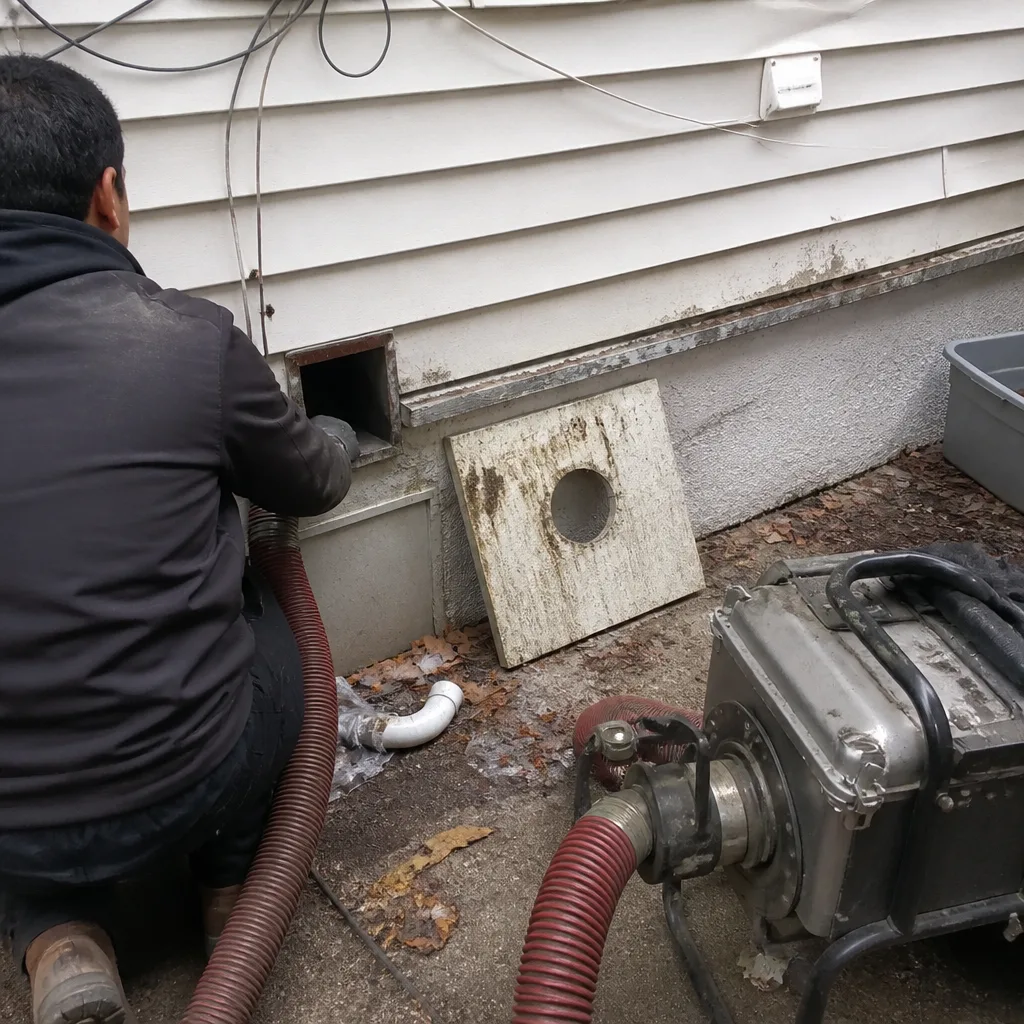 Before
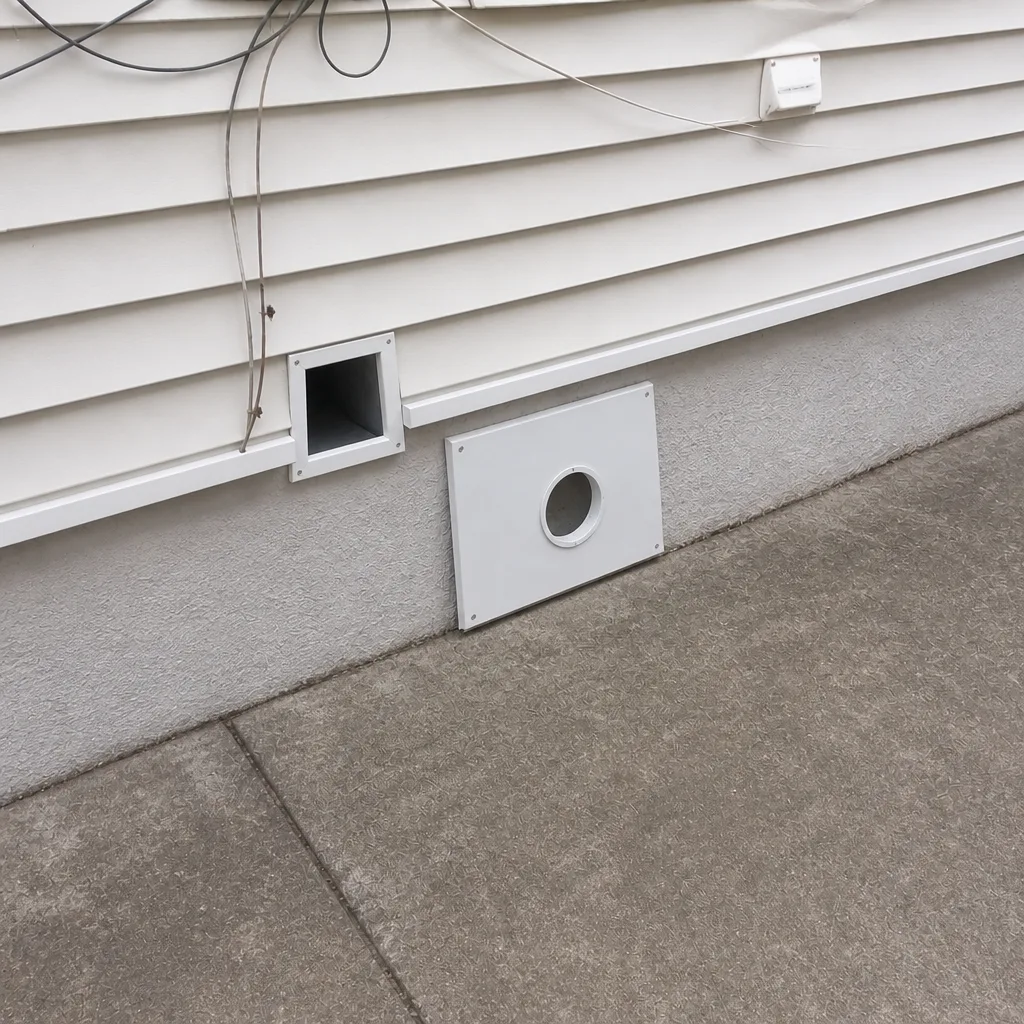 After
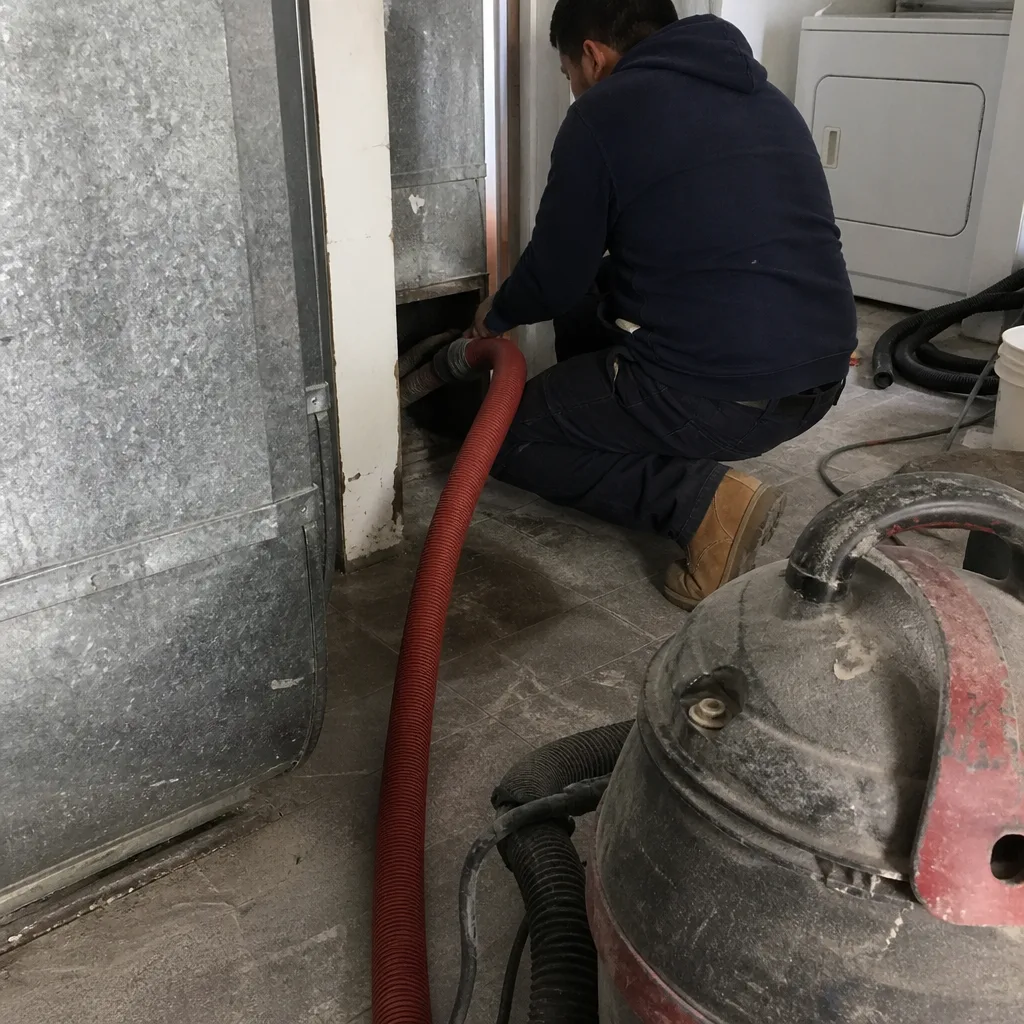 Before
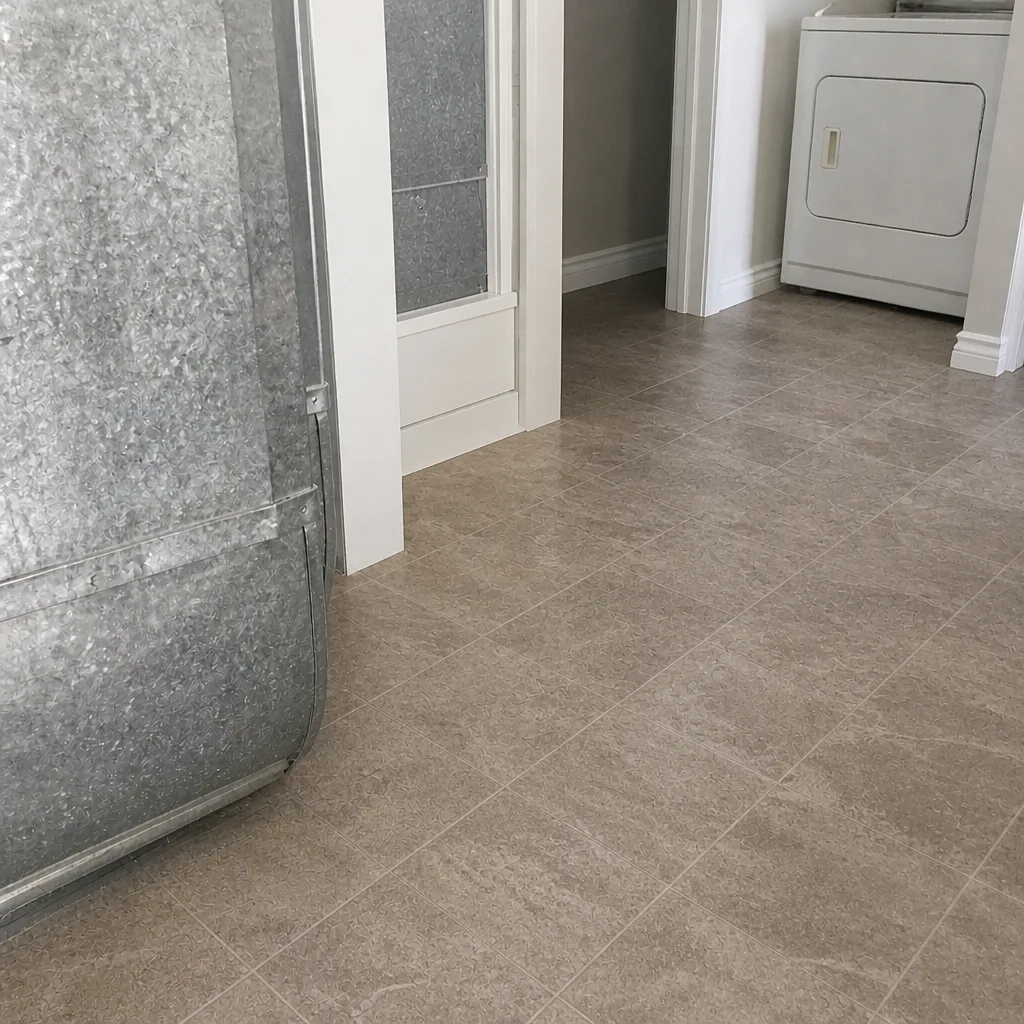 After
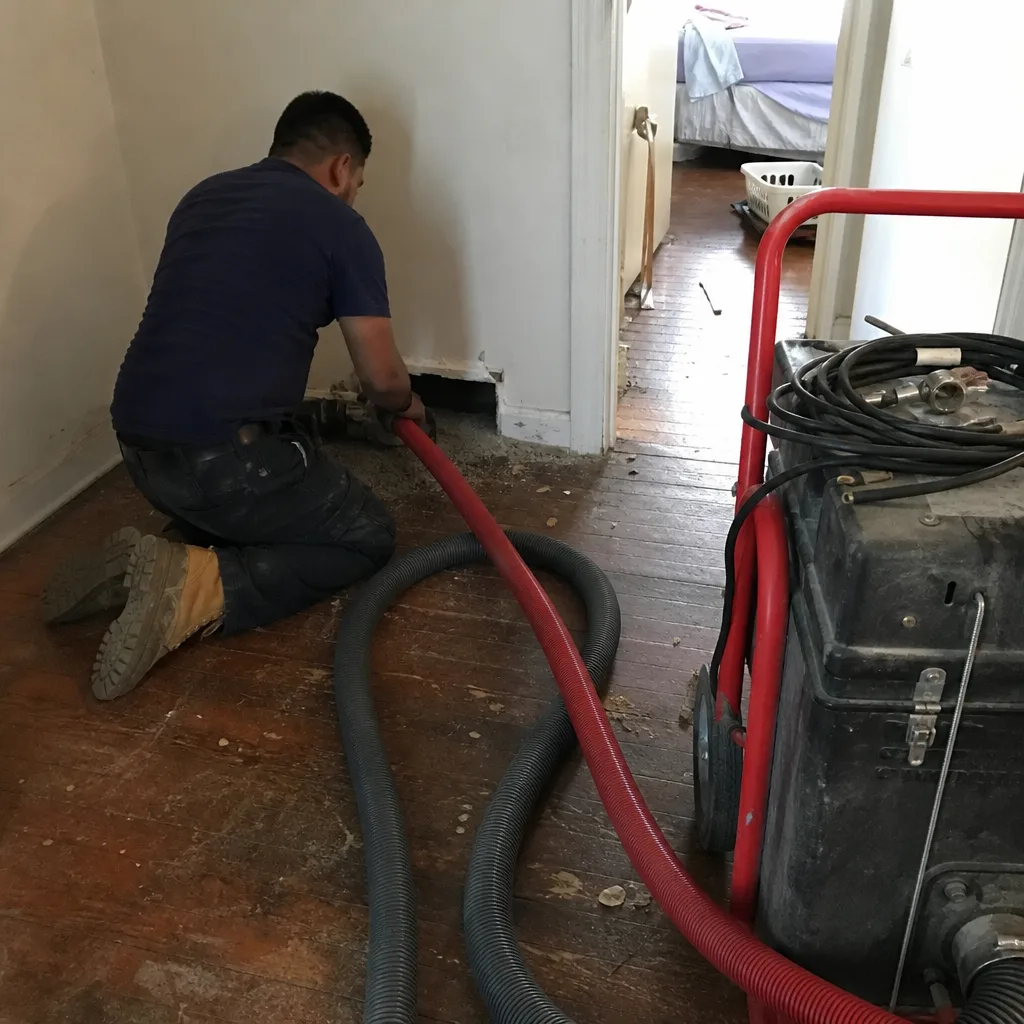 Before
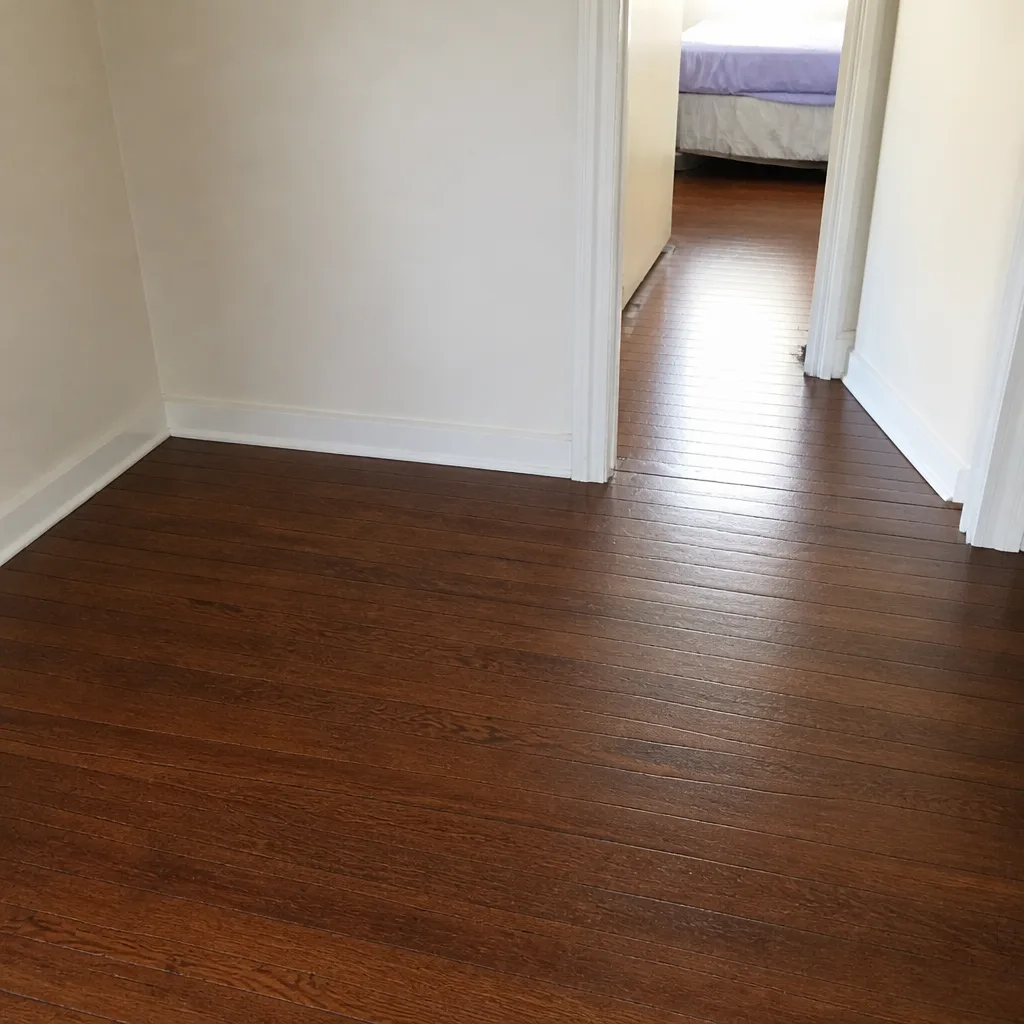 After
When to Call a Professional
Some seasonal care is homeowner work: filter changes, return grille clearance, and watching for warning signs. Others need a trained technician. Call us if the system hasn’t been cleaned since the last heating or cooling season, if you see moisture or musty odor in the ducts, if there’s visible dust streaking at the registers, or if the fall inspection of ducts near the heat exchanger is overdue. High-tension springs and combustion equipment are not DIY territory, and neither is a duct system that has started to leak at the joints. Air Duct Cleaning East New York offers free estimates in East New York. Call (833) 362-3254. We answer 24/7. Fast dispatch from 7am to 7pm, Sunday through Friday.
Frequently Asked Questions
Most East New York homes benefit from one full cleaning in early spring, with a fall inspection before the heating season. Homes with pets, allergy-sensitive occupants, older flex duct, or heavy cooling into September often need two full cleanings per year. Call (833) 362-3254 for an exact quote. Estimates are free.
Cheap quotes usually reflect cheaper equipment: a shop vac and a promise, without containment, high-efficiency extraction, or duct repair. The method is what you’re paying for, and it’s what determines whether the ducts are actually clean. A professional job uses contact cleaning and particulate extraction inside the duct run. Call (833) 362-3254 for an honest, flat price per system. Estimates are free.
Ask for before-and-after photos of your own ducts, not stock images. And ask whether repair and sealing are included, because a cleaning without sealing leaves the leaks that reload the system. We document both as part of the job. Call (833) 362-3254 to schedule. Estimates are free.
Yes. Cool air moving through flex duct that passes a warm, humid space will condense moisture on the cold surface, and the inner liner can stay damp between cooling cycles. That’s the condition mold needs. Mid-season inspection is the way to catch it early. Call (833) 362-3254 for an exact quote. Estimates are free.
A seasonal cleaning is scheduled around the two loading cycles here, in early spring and fall, so each cycle starts clean. A one-time cleaning addresses a backlog but doesn’t account for the East New York climate, which pushes the system hard into late September and back to heating within weeks. Call (833) 362-3254 to build a calendar for your home. Estimates are free.
Yes, dryer vent cleaning is a dedicated service. Dryer vents load with lint the same way ducts load with debris, and NFPA data cites dryer vents as a leading cause of home fires. Put it on the same annual calendar as your duct cleaning. Call (833) 362-3254 for an exact quote. Estimates are free.
The Bottom Line
East New York’s urban heat island effect and compressed shoulder seasons mean your HVAC system loads its ducts twice a year, not once. The right calendar is a deep cleaning in early spring, a moisture and mold check at mid-summer, a pre-heating inspection in fall, and a filter and IAQ reset for winter. One cleaning a year fits a new, pet-free, conditioned-envelope home. Two fits most older homes, pet households, and allergy-sensitive occupants. What matters most is the method: Rotobrush and Nikro equipment, containment, high-efficiency extraction, and duct repair and sealing on the same visit, with before-and-after photos to show it. Our technicians have up to 13 years of experience matching the calendar to the building.
Call Air Duct Cleaning East New York at (833) 362-3254 for a free estimate. We answer 24/7. Fast dispatch from 7am to 7pm, Sunday through Friday. One flat price per system, agreed before work starts.
Written by the team at Air Duct Cleaning East New York.