
Last updated November 22, 2026
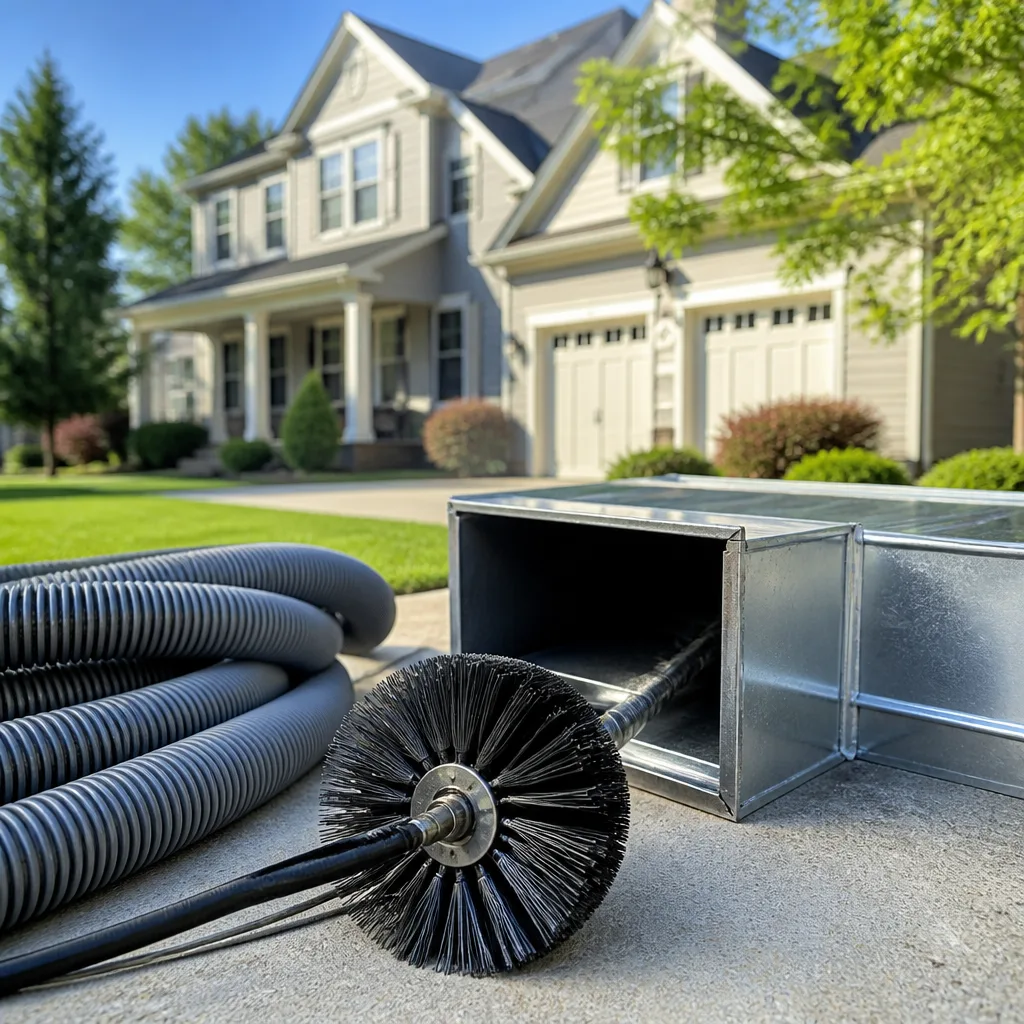 Whole-home duct cleaning
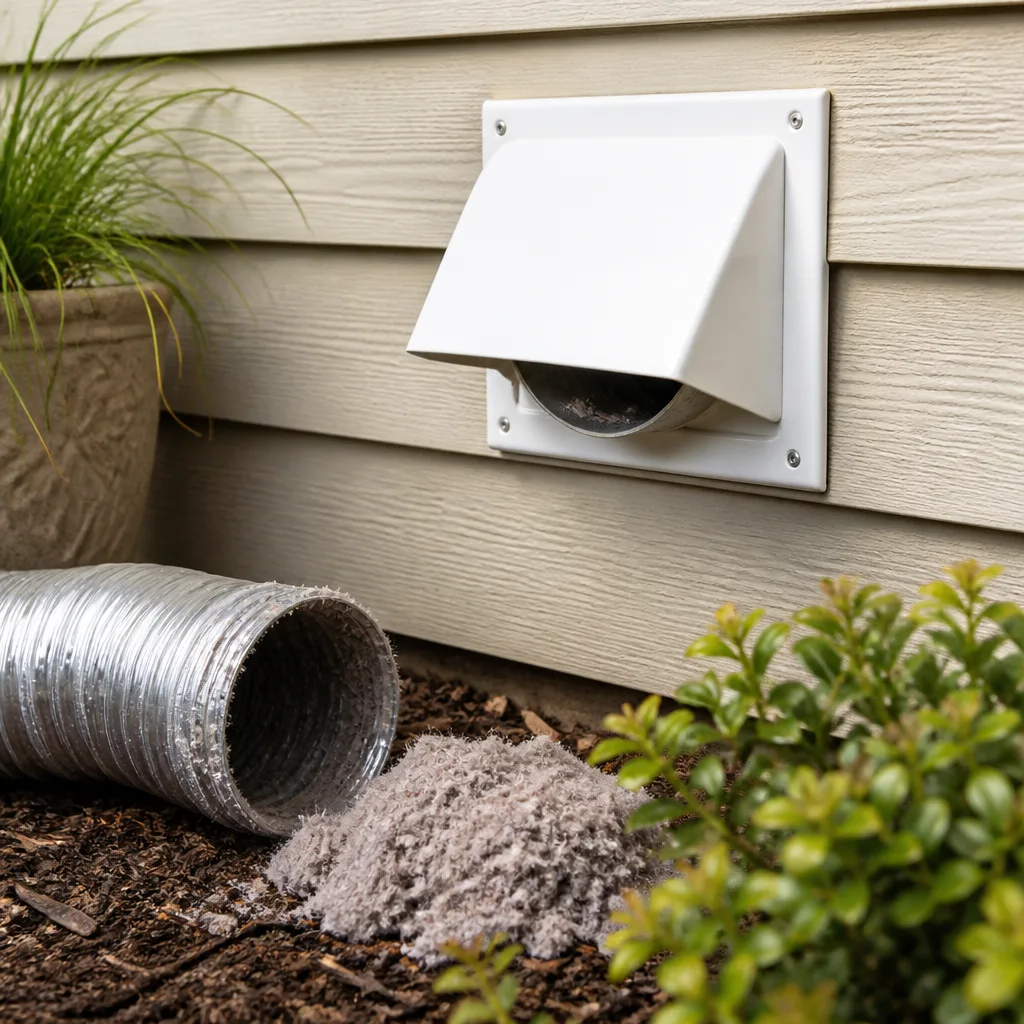 Dryer vent cleaning
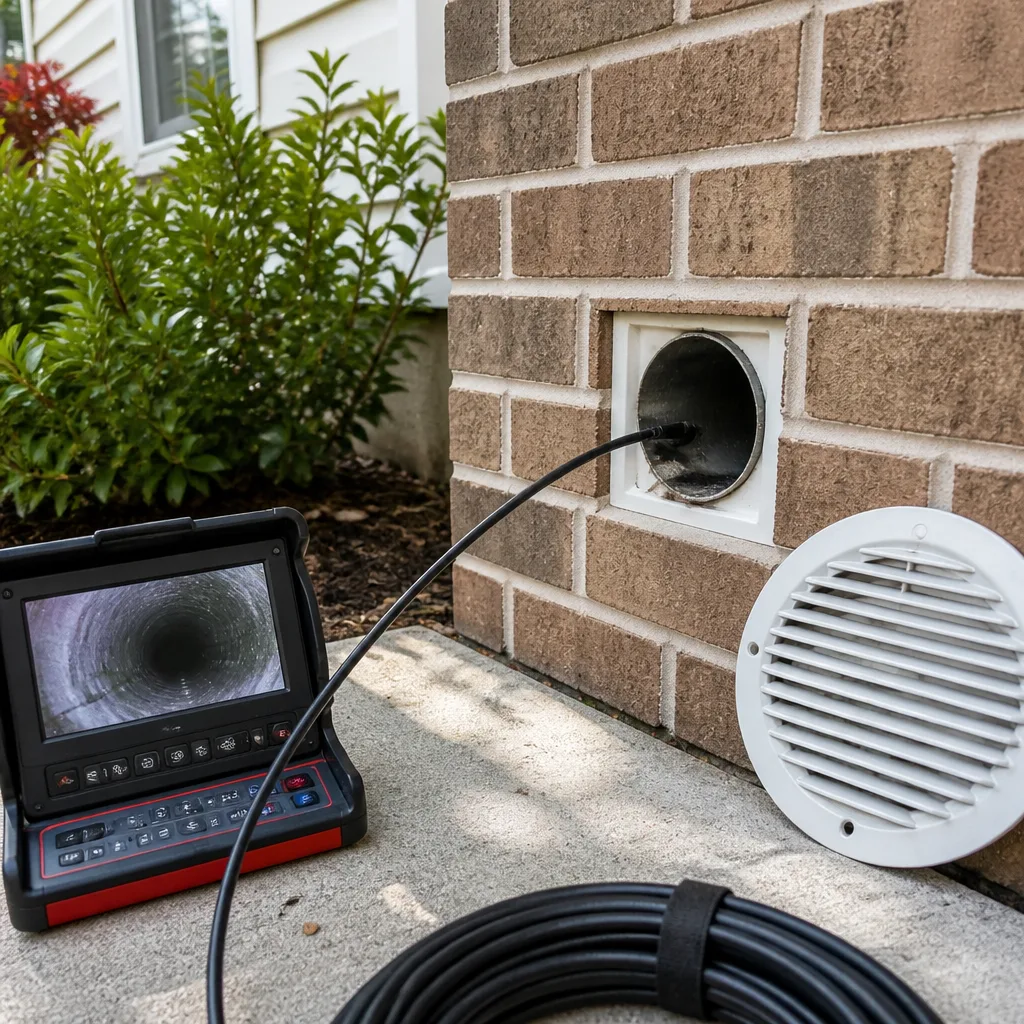 Camera inspection
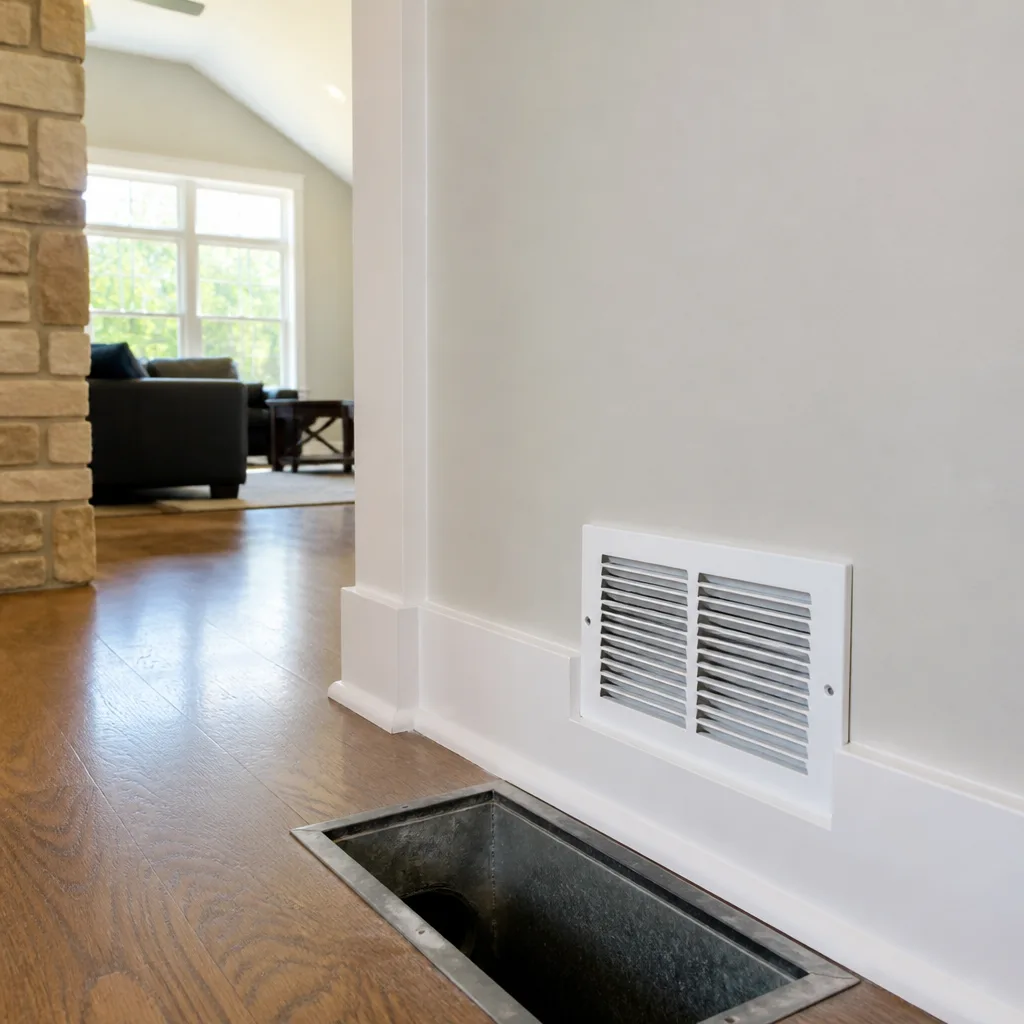 Sanitizing & deodorizing
Whole-system duct and dryer vent check with before-and-after photos - you see exactly what came out of your vents
That "$99 whole-house special" is a bait ad - the real number appears once they are in your hallway, or the "clean" is a shop-vac at the register. We photograph the inside of your ducts before and after instead.
Air Duct Cleaning Cost Breakdown: The East New York Homeowner’s Reference for 2026
A $149 whole-house duct cleaning quote and a $650 quote can both be legitimate, or both be rip-offs, and you won’t know which until you understand exactly what line items make up a real duct cleaning job and what each one costs to perform correctly. Duct cleaning pricing in East New York varies by a factor of five between operators, and the gap isn’t random. It maps almost directly onto equipment capability, scope of work, and what’s actually included versus what gets added as an upsell after the crew arrives. This guide gives you a component-level cost breakdown so you can evaluate quotes like a buyer who understands the work, not a homeowner comparing totals in the dark.
Quick Answer
Air duct cleaning in East New York typically runs $350 to $650 for a standard forced-air home, with smaller apartments and single-zone systems starting around $250 to $400 and larger multi-return row houses reaching $650 to $900. The price reflects the number of supply and return points, duct material and access, and whether sanitizing, sealing, or dryer vent work is added. A written estimate per system, agreed before any work starts, is the only number that should matter to you.
Styles & brands we work with
- Whole-home duct cleaning
- Dryer vent cleaning
- Camera inspection
- Sanitizing & deodorizing
Table of Contents
- Cost by System Type in East New York
- What Drives the Price: Square Footage, Duct Material, and Access
- Legitimate Add-Ons and Their Costs
- Add-Ons That Are Pure Upsell
- How to Compare Quotes at the Scope Level
- 2026 Pricing Context in the NYC Metro
- Common Mistakes to Avoid
- When to Call a Professional
Cost by System Type in East New York
System type is the single biggest cost lever in East New York, and it’s the line most quotes never explain. A forced-air furnace system with a central trunk and branch runs is the standard case. A mini-split setup is a different animal entirely. And the older gravity or converted steam systems still found in parts of the neighborhood have their own quirks. Here’s how pricing breaks down by system in the local market.
Forced-Air Systems (Most Common)
This is the ducted furnace-and-AC setup that most East New York row houses and apartments rely on. Pricing depends on run count and access rather than raw square footage, which surprises people.
- Small apartment or single-zone system, 4 to 8 supply points: roughly $250 to $400
- Standard row house, 10 to 16 supply and return points: roughly $400 to $650
- Larger multi-return home or full basement trunk: roughly $650 to $900
What separates these tiers is labor and extraction time, not a coupon trick. Cleaning a 16-point system properly with professional-grade equipment takes meaningfully longer than cleaning an 8-point system, and the price should reflect that.
Mini-Split Systems
Ductless mini-splits don’t have ductwork to clean in the traditional sense. What gets serviced is the indoor head unit, blower wheel, coils, and drain line. That’s a coil-and-blower cleaning job, not a duct extraction job, and it prices differently. In East New York, a per-head mini-split cleaning typically lands in the $150 to $300 range per unit depending on how many heads are serviced in one visit. Be cautious of any operator who quotes a “whole-house duct cleaning” for a ductless system; there’s nothing to extract.
Older Gravity and Converted Steam Systems
Some of the pre-war housing stock in East New York still carries gravity or converted steam systems with oversized, irregular duct runs that were never designed for modern equipment access. These are the jobs that require the most on-site problem-solving. Expect the higher end of the forced-air range, and expect the estimate to be built after a walkthrough rather than over the phone. Access complexity, not dirt level, is what pushes these to the top of the range.
What Drives the Price: Square Footage, Duct Material, and Access
Three factors move the price more than anything else: how many supply and return points a system has, what the ducts are made of, and how hard it is to reach them in a typical East New York row house. Square footage matters, but a 1,400-square-foot home with an accessible basement trunk and 12 cleanly spaced vents can price lower than a 1,100-square-foot apartment with buried flex runs and a single tight return.
Point Count
Supply and return registers are the unit of work. Each one is a start and end point for the extraction run. When you compare quotes, count the vents yourself and check that both bids name the same number. If one quote covers 8 points and the other covers 16, they aren’t really competing quotes.
Duct Material
Material affects how cleaning is performed and what tooling it takes:
- Sheet metal trunk and branch: the most common and the most straightforward to clean and inspect.
- Flex duct: common in retrofits and additions; requires gentler contact cleaning because the liner can tear.
- Fiberboard (duct board): largely found in older conversions; the porous surface holds debris differently, and aggressive tooling can damage it, so the method has to be matched to the material.
Material inspection matters before any cleaning begins. That’s why a professional-grade inspection step at the start of the job separates a real service from a quick vacuum pass.
Access Complexity in Row House Configurations
East New York’s row house layout creates two common access challenges. First, basement trunks are often boxed in behind finished walls or ceilings, which limits where extraction can connect. Second, rear extensions and converted attic spaces add branches that route through tight chases. Accessibility drives crew time, and crew time drives the estimate. Ask specifically how the crew will access each trunk section, because a bidder who hasn’t thought about this is a bidder who will add charges once the crew is on site.
Legitimate Add-Ons and Their Costs
Not every add-on is an upsell. Some reflect real additional work that changes the outcome of the job. The question is whether the add-on addresses a real condition in your system or whether it’s a line on an invoice designed to pad the total. Here’s how legitimate add-ons price out in East New York.
Sanitizing Treatment
Applying an antimicrobial treatment after extraction is legitimate when there’s an actual biological concern, like visible microbial growth, persistent musty odor, or a recent water intrusion. When performed with Abatement Technologies protocols, the treatment covers the full duct surface, not just the visible sections. Expect roughly $100 to $250 added to the base cleaning price depending on system size. This is worth doing when needed and skip-worthy when not.
Duct Sealing
Sealing addresses leaks that undermine the cleaning you just paid for. Leaky returns pull unfiltered air from gaps, crawl spaces, and unconditioned zones. The two common approaches are mastic sealing at accessible joints and sectional sealing for hard-to-reach runs. Pricing typically runs $300 to $900 depending on the amount of sealing required. This is where Air Duct Cleaning East New York differs from cleaning-only operators: the duct system gets diagnosed, cleaned, and structurally corrected in a single engagement rather than leaving leaky runs behind.
Duct Repair
When a run has failed connections, disconnected sections, or a crushed flex segment, repair comes before or alongside cleaning. Pricing depends entirely on the repair; there’s no flat rate that makes sense here. Expect a written scope that names each repair.
Dryer Vent Cleaning
This is a separate service, not a duct-cleaning add-on. Dryer vents aren’t part of the HVAC system, but they matter more than most homeowners realize. The National Fire Protection Association identifies lint buildup as a leading contributor to residential dryer fires, and a clogged vent is a common code-compliance gap that inspections catch. Pricing for dryer vent cleaning usually runs $125 to $250 depending on run length and how many elbows the vent has. In East New York row houses, rear extension dryers with long horizontal runs are the common case that needs attention.
Mold Remediation
When a system shows evidence of mold growth beyond surface level, remediation happens alongside cleaning. This isn’t a $50 spray; it’s a scope of work. Pricing depends on the extent of affected surface and whether the source of moisture has been corrected. Any operator quoting remediation before inspecting hasn’t done the job.
Add-Ons That Are Pure Upsell
The single biggest reason duct cleaning quotes swing so wildly is that some operators price the base low and stack high-margin add-ons once the crew is in your home. Some of those add-ons are real services. Some aren’t. Here’s how to tell them apart before you sign.
Common Upsell Patterns
- “We found mold” without a visible sample: legitimate remediation is based on inspection, photos, and location of the growth. If a technician declares mold without showing it, that’s a script, not a diagnosis.
- Per-vent pricing after the fact: a low advertised price that gets converted into a per-vent charge once the crew is on site means the advertised price was never the real price.
- Chemical deodorizing on every job: a standard deodorizer is applied after cleaning in some workflows, but a substantial add-on for scent masking suggests the cleaning itself is being compensated for elsewhere.
- “Air scrubber” or “negative pressure” upgrades that aren’t needed: negative pressure and HEPA filtration are standard equipment in professional-grade cleaning, not premium add-ons.
- Coil cleaning presented as duct cleaning: they’re different services. Coil cleaning is legitimate when the coil actually needs it, but it shouldn’t be substituted for duct extraction.
How to Protect Yourself
- Get the full scope in writing before any crew arrives.
- Require a flat price per system, not a per-vent price.
- Ask for before-and-after photos of your own ducts, not sample images from a brochure.
- Confirm what equipment is being used on the job; professional extraction systems like Rotobrush or Nikro behave nothing like consumer vacuums, and any operator who can’t name the equipment may be running a shop vac with a hose attachment.
- If the on-site technician proposes a new add-on, ask to be shown the specific condition being addressed and its location.
How to Compare Quotes at the Scope Level
The highest bid isn’t automatically the best, and the lowest isn’t automatically the worst, but the number on the bottom of the page tells you almost nothing until you know what’s above it. Compare quotes line by line, not total by total. A proper comparison takes about ten minutes with both estimates side by side.
Step-by-Step Comparison
- Count the vents. Count supply and return registers yourself. Every bid should name the same number, and the number should match reality.
- Verify the equipment named. Professional extraction with contact cleaning tooling is the difference between a real job and a cosmetic one. Your duct system is only as clean as the method used to clean it.
- Check the access plan. Does the bid explain how the trunk, branches, and returns will be accessed in your specific layout? Vague access language converts to on-site add-on charges.
- Confirm what “cleaned” covers. Trunk only? Trunk and all branches? Returns too? A bid that cleans less than the others isn’t competing on the same service.
- Note what’s written as included. Sanitizing, inspection, filtering, and post-cleaning verification are all legitimate line items; they just need to be listed on the front end, not appended afterward.
- Ask about disposal. Debris removed from a real duct cleaning has to go somewhere. A professional operator handles the disposal cost as part of the job. A bid that doesn’t mention it may be a bid that doesn’t actually collect much.
- Read the estimate format. A single lump-sum price for the whole job is fine. A price that’s “starting at” and depends on what the crew finds is not a real estimate.
What a Low Bid Typically Omits
The $149 quote isn’t necessarily a scam. But it usually omits several things that a proper job includes. Common omissions: only the main trunk gets cleaned (branches left alone), no contact cleaning tools (shop vac only), no inspection or verification step, single-pass instead of full-system extraction, and no post-cleaning photos. Those aren’t upgrades you can add later without paying twice. They’re the difference between a clean system and one that looked clean on the surface.
2026 Pricing Context in the NYC Metro
Duct cleaning pricing reflects what it costs to deliver the work in the NYC metro market in 2026, and those costs place a floor under legitimate providers. Labor rates in the metro run higher than most of the country. Equipment investment is real; Rotobrush and Nikro systems cost tens of thousands of dollars to purchase and maintain, and that cost has to be supported by the job price. Debris disposal in the city carries its own handling cost. And liability coverage and proper training add to the overhead no professional operator can escape.
Why the Floor Matters
If a quote sits below what it costs to show up with a professional extraction system, spend the crew time required to clean a 16-point system, cart away the debris, and dispose of it properly, one of three things is happening. The scope is smaller than advertised. The equipment isn’t professional-grade. Or an add-on charge will appear once the crew arrives. None of those are savings; they’re deferred costs.
The Equipment Difference
Professional extraction systems aren’t consumer vacuums with a hose. They’re the same systems HVAC contractors and restoration professionals rely on for contact cleaning and high-efficiency particulate extraction. When you compare two quotes that look identical on paper, ask which equipment each operator names. Rotobrush and Nikro are the system names to look for. That answer alone often explains the price gap.
Parts and Compatibility
Homes that already have air quality infrastructure installed, like Aprilaire or Honeywell filtration and humidification equipment, benefit from a provider who knows those systems. Compatibility and correct handling of the installed equipment prevent damage and preserve the value of the investment. It’s another reason to ask before you book.
Common Mistakes to Avoid
- Comparing total prices without comparing scopes. A quote for $350 that covers all 14 vents isn’t more expensive than a $200 quote that only covers the trunk, and it’s a longer job. Line up the scopes before you compare the totals.
- Buying on the coupon price. The advertised low number is often a starting point, not a final charge. Ask what the real total is for your specific system before booking.
- Skipping dryer vent cleaning. Lint buildup in the dryer vent is a fire risk, not a cosmetics issue, and it’s easy to overlook when you’re focused on ducts. Book it alongside the duct cleaning if the vent hasn’t been touched in a while.
- Assuming “same day” implies a proper job. Some jobs genuinely don’t need more than a few hours. Others get rushed into that window. Ask how long the crew will be on site for your specific system; a 16-vent forced-air job shouldn’t take 45 minutes.
- Not asking for before-and-after photos. If you can’t see what went in and out of your ducts, you don’t know what was actually done. Photos are the simplest form of accountability, and a legitimate operator should provide them without being asked.
- Cleaning before fixing the source. If returns are pulling air from a damp basement or a crawl space with loose debris, cleaning alone won’t hold. Duct repair and sealing first makes the cleaning last.
- Ignoring biological concerns until they’re visible. A persistent musty smell or an asthma flare-up after heating season starts usually points to what’s in the ducts. If that’s the pattern, sanitizing treatment with proper protocols is worth asking about before the smell turns into a bigger job.
When to Call a Professional
Not every home in East New York needs duct cleaning on a schedule. Some need it soon, some need it now, and some just need to know what shape the system is in. Call a professional when any of these sound familiar: visible dust puffing from registers when the heat or AC kicks on; a musty or stale smell that doesn’t clear when windows are open; recent renovation or water intrusion in the home; a family member with allergies or asthma that worsens indoors; a dryer that takes two cycles to dry a load of towels; or visible gaps and disconnected sections at accessible duct joints. If any of these conditions are present, a walkthrough with a proper inspection will tell you what your system actually needs before you commit to a number. Our technicians have up to 13 years of experience with duct systems in this market, and the estimate is free and built around what we find in your home. Air Duct Cleaning East New York offers free estimates in East New York. Call (833) 362-3254. We answer 24/7. Fast dispatch from 7am to 7pm, Sunday through Friday.
See the difference
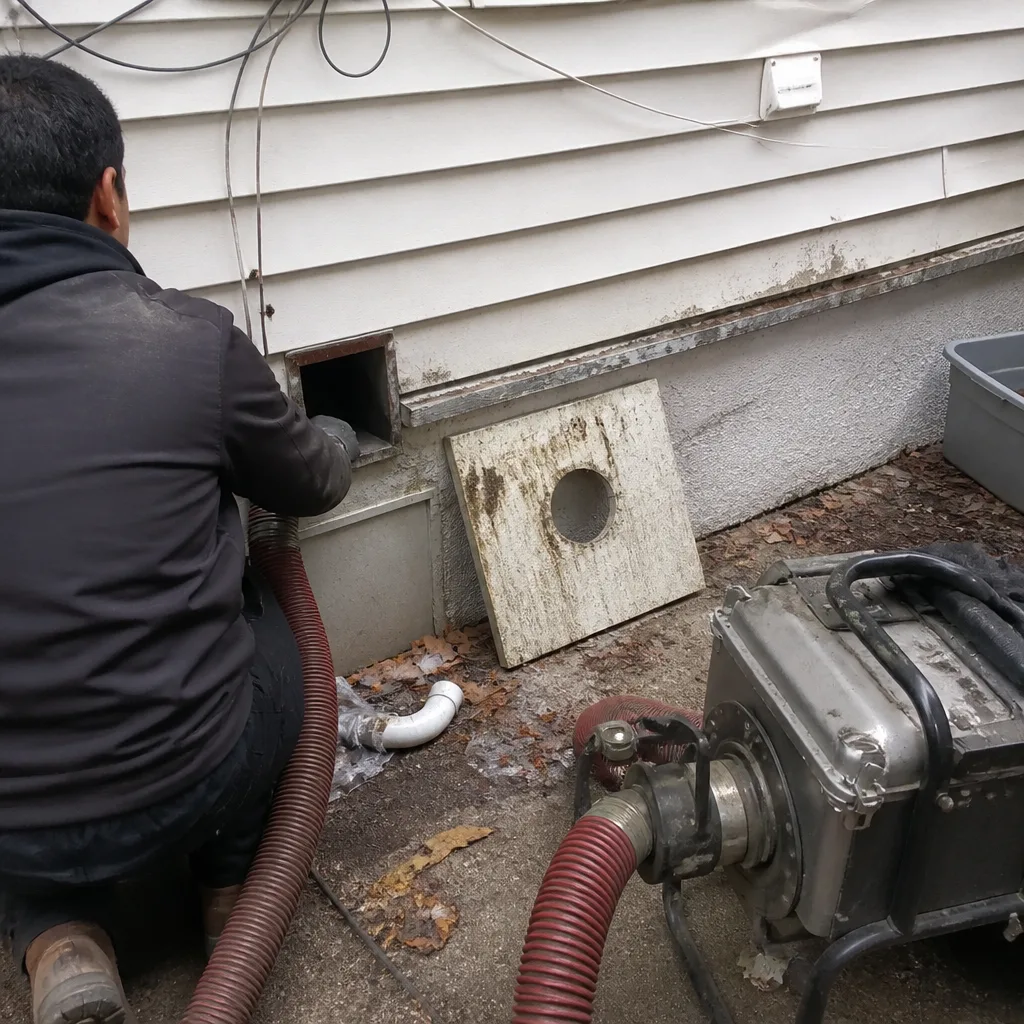 Before
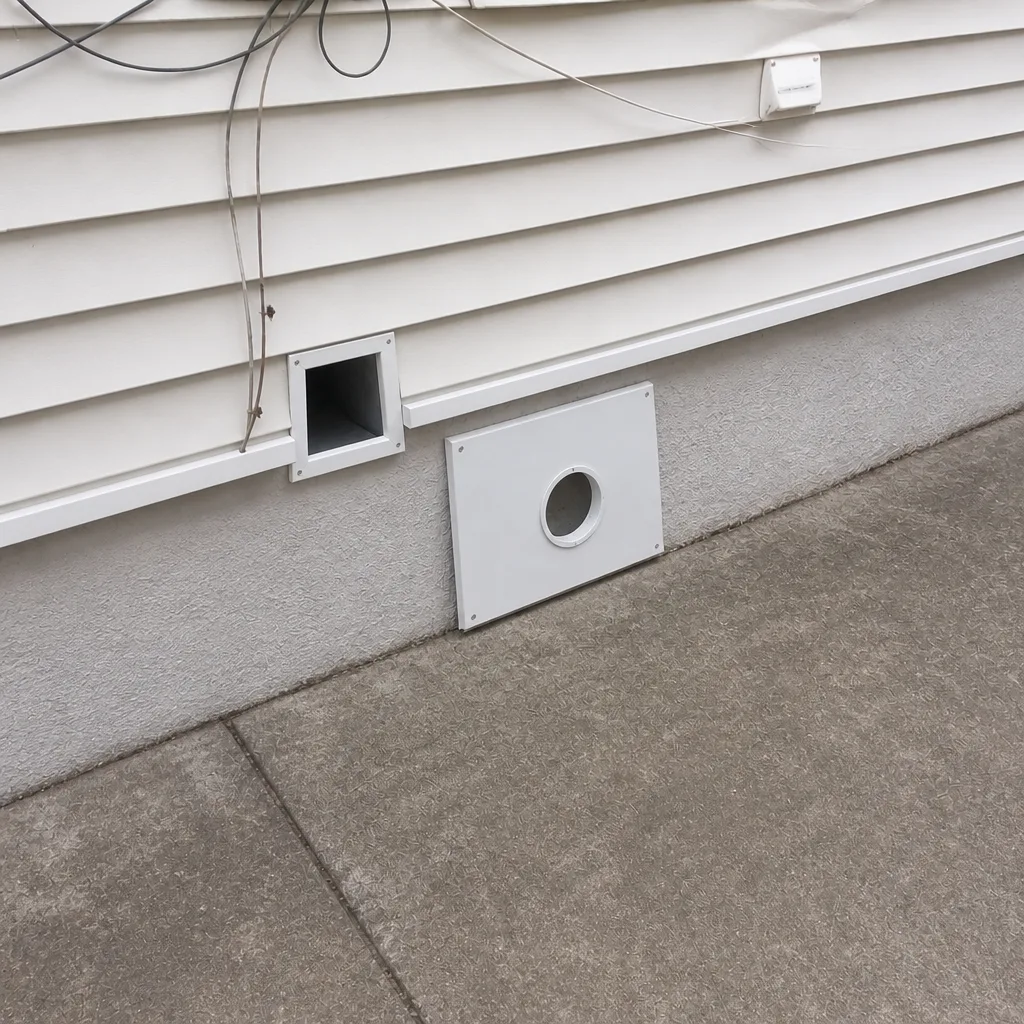 After
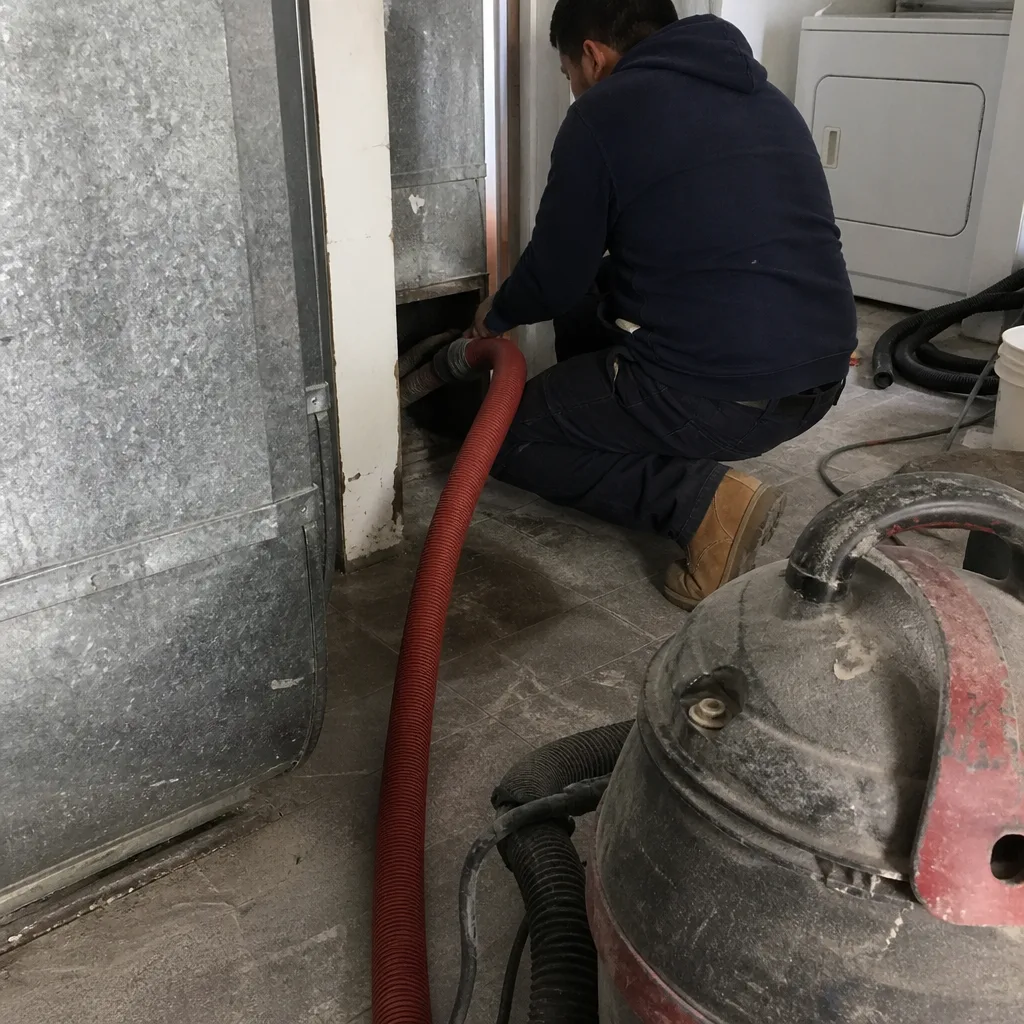 Before
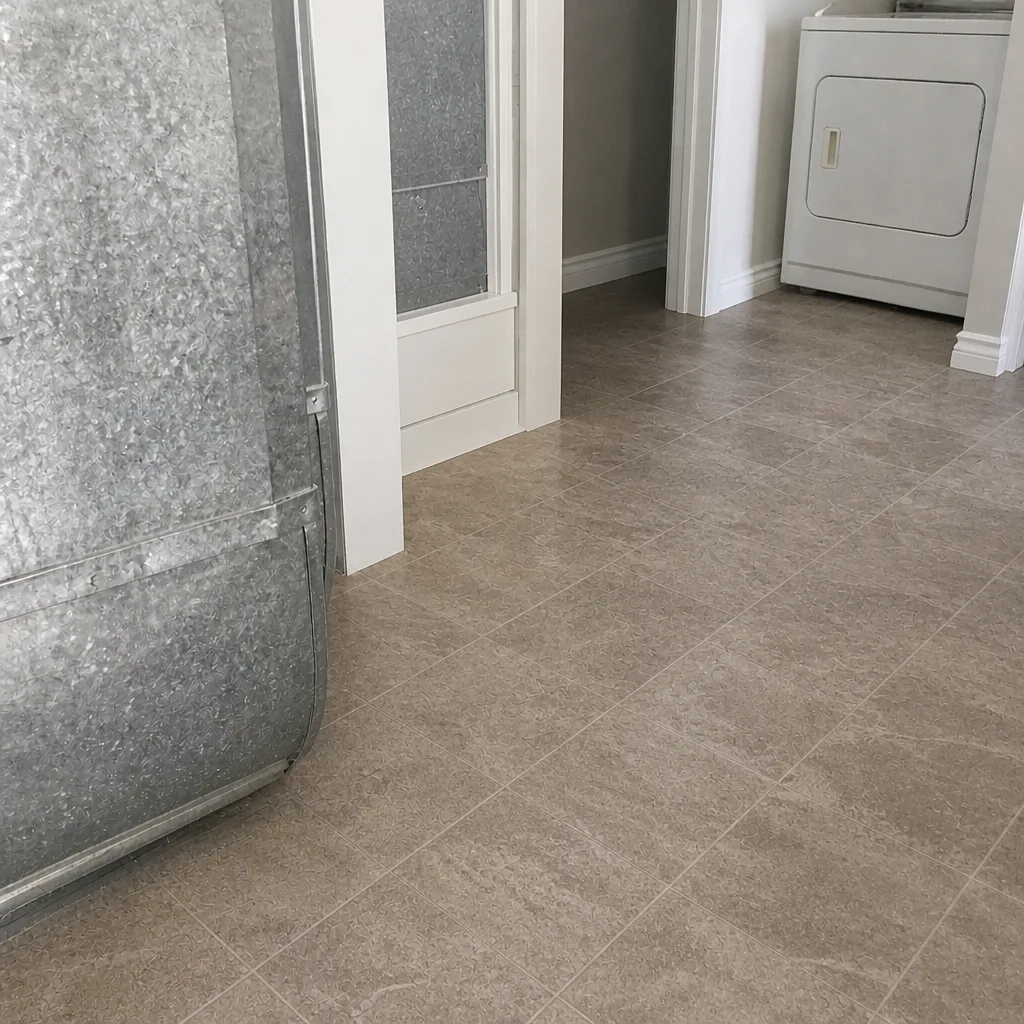 After
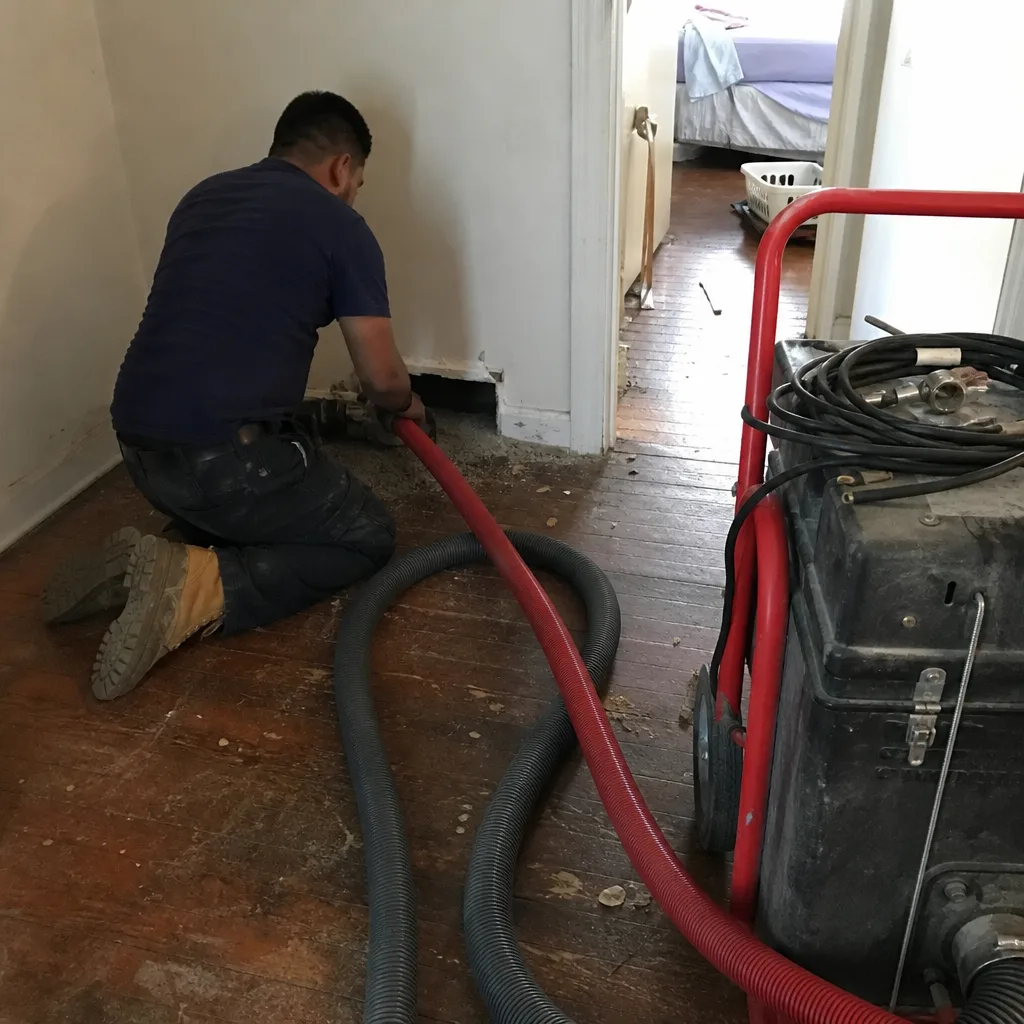 Before
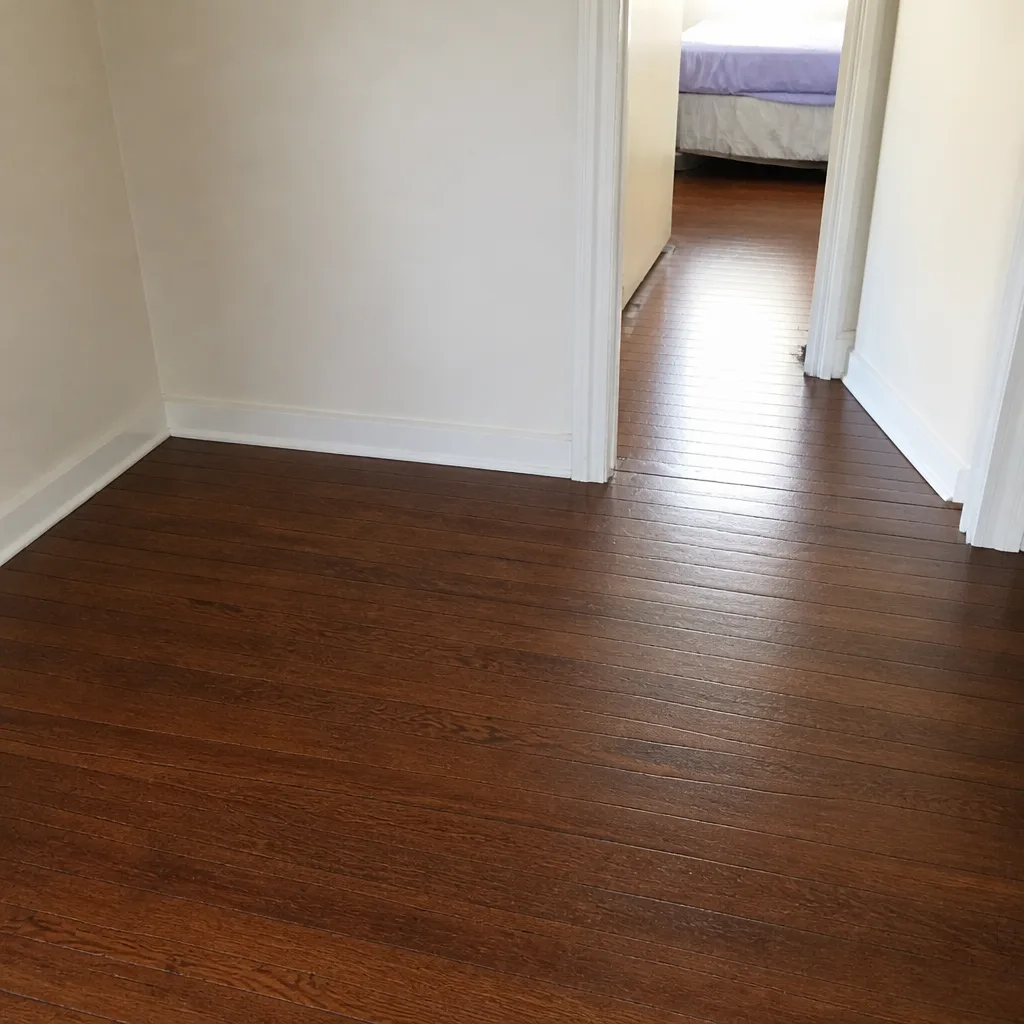 After
Frequently Asked Questions
Most East New York homes pay $350 to $650 for a full forced-air duct cleaning, with smaller systems around $250 to $400 and larger or harder-to-access systems $650 to $900. The final number depends on vent count, duct material, and access. The written estimate you receive before the work starts sets the price. Call (833) 362-3254 for an exact quote. Estimates are free.
Cheaper quotes usually mean a smaller scope, not a better deal. The common omissions are branch cleaning, proper extraction equipment, and any post-cleaning verification. A quote that only cleans the main trunk is cheaper because it’s less work, not because the operator found savings. Ask what’s included, then compare. Call (833) 362-3254 for a scope-first estimate.
Ask for before-and-after photos of your own ducts. A legitimate operator provides them without hesitation because they show a job worth showing. Photos of the interior of the trunk at each end, taken before extraction and again afterward, are the simplest verification available. If you want live confirmation, ask to see the removed debris during the job. Call (833) 362-3254 to schedule an inspection.
Most homes don’t need annual cleaning. Every three to five years is realistic for a typical East New York row house, more often with pets, recent renovation, or a household member with respiratory sensitivities. The right interval is based on what your system is collecting, not a sales calendar. Call (833) 362-3254 for an honest assessment of your system’s condition.
Cleaning alone is often enough. Sealing makes sense when inspection finds gap-and-joint leaks that are pulling unfiltered air into the system or letting conditioned air escape. Cleaned but leaky ducts don’t stay clean for long. A walkthrough will show which applies. Call (833) 362-3254 to ask about air duct cleaning and sealing together.
It’s a separate service with its own cost, usually $125 to $250 in East New York, but it’s worth booking alongside duct cleaning if the vent hasn’t been serviced recently. Lint buildup in a long rear-extension dryer run is a fire risk, and it’s easy to overlook when you’re focused on HVAC. Call (833) 362-3254 to ask about HVAC cleaning and dryer vent service in one visit.
Professional-grade extraction and contact cleaning systems, not consumer vacuums. Rotobrush and Nikro are the names to look for. If a bid doesn’t name equipment, ask. The answer tells you more about the price than any coupon can. Call (833) 362-3254 to ask what equipment will be used on your system.
The Bottom Line
Duct cleaning prices in East New York swing widely because the underlying work swings widely. The real number lives in the scope: what gets cleaned, how it’s extracted, what gets inspected, whether dryer vents and sealing are addressed, and whether the operator is running professional equipment or a shop vac. Compare quotes at the component level, ask what a low bid omits, and demand a flat price per system written down before the crew arrives. The number that matters isn’t the lowest one. It’s the one attached to a complete job. For a written estimate on your home, call (833) 362-3254. We answer 24/7. Fast dispatch from 7am to 7pm, Sunday through Friday.
Written by the team at Air Duct Cleaning East New York.