
Last updated November 22, 2026
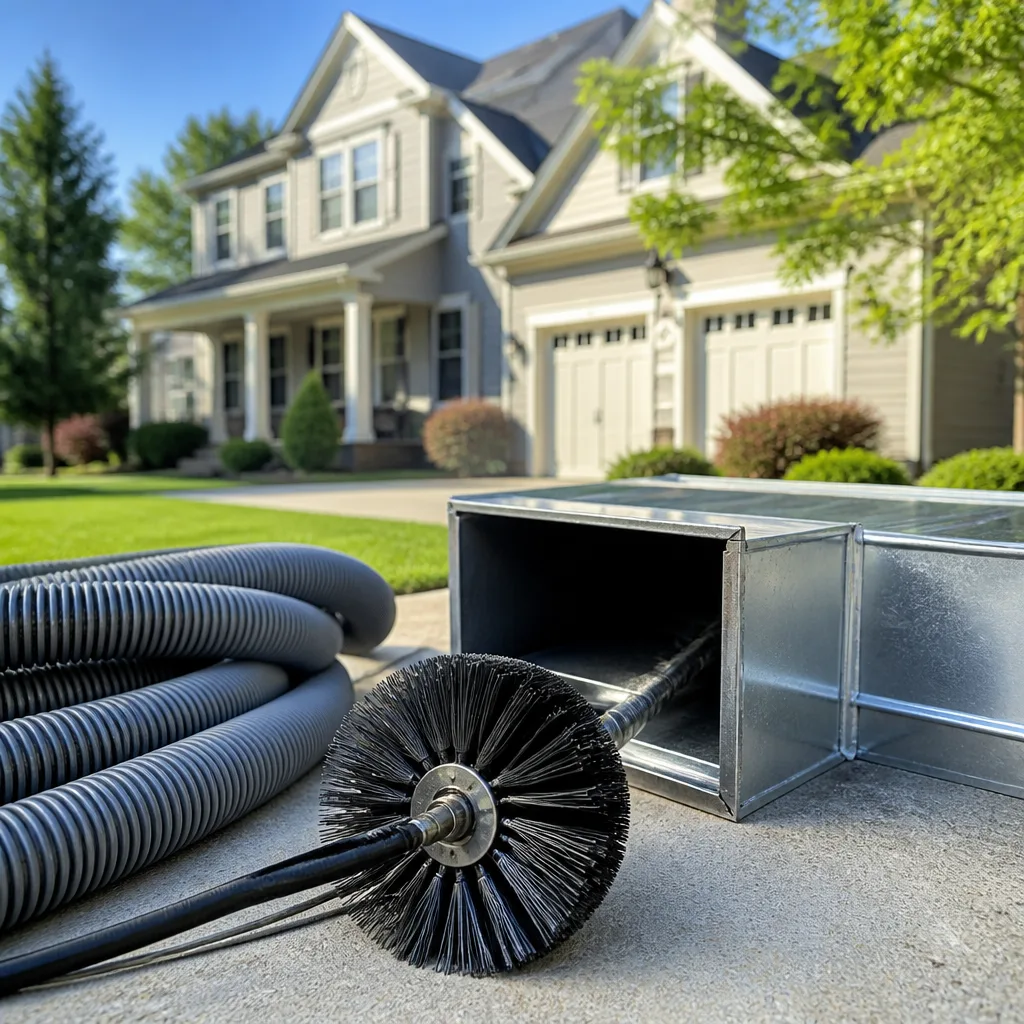 Whole-home duct cleaning
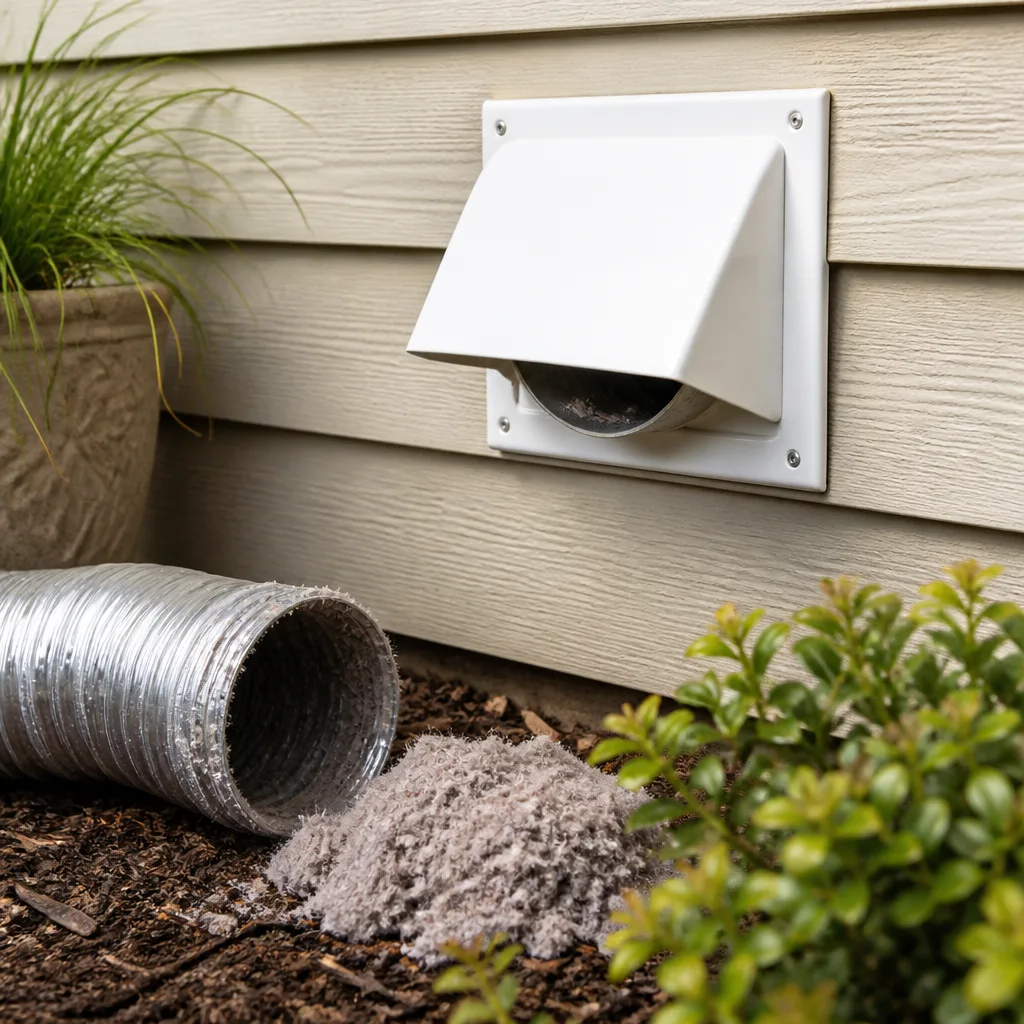 Dryer vent cleaning
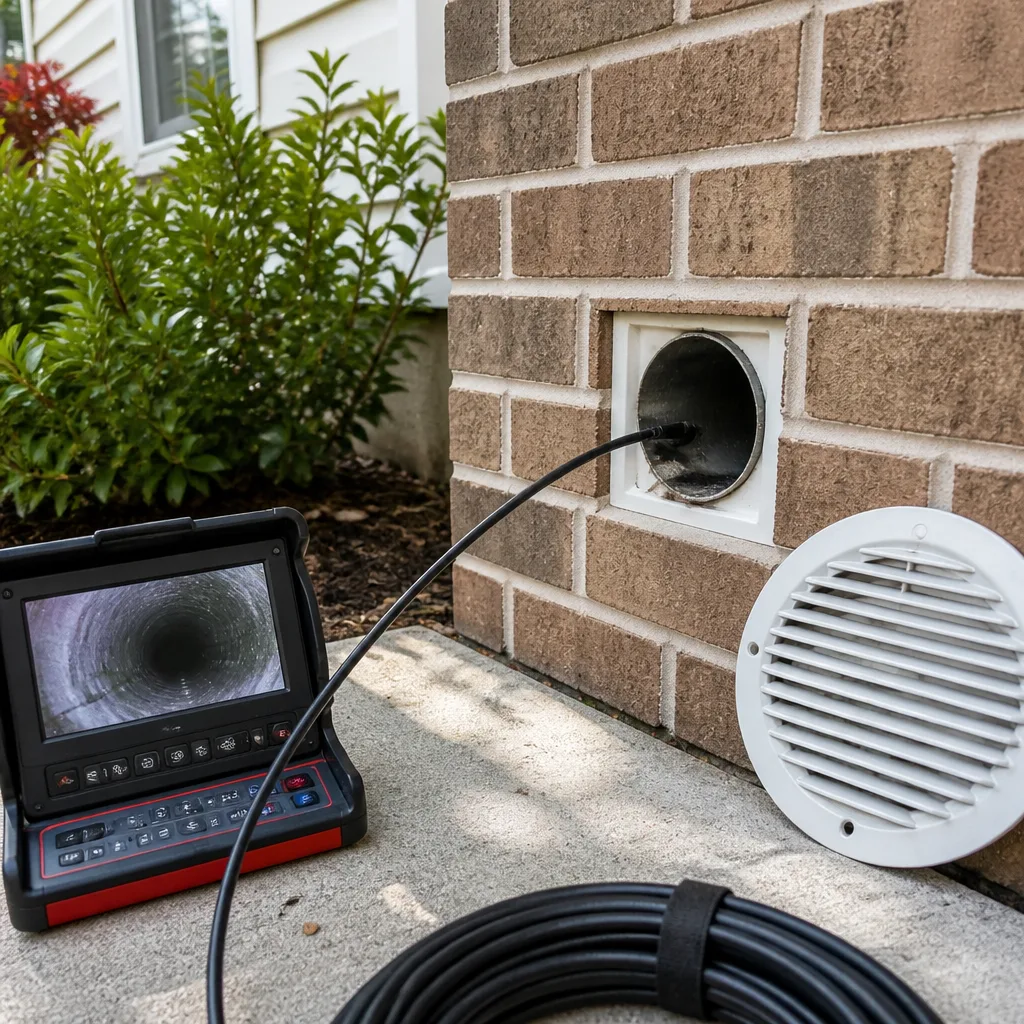 Camera inspection
 Sanitizing & deodorizing
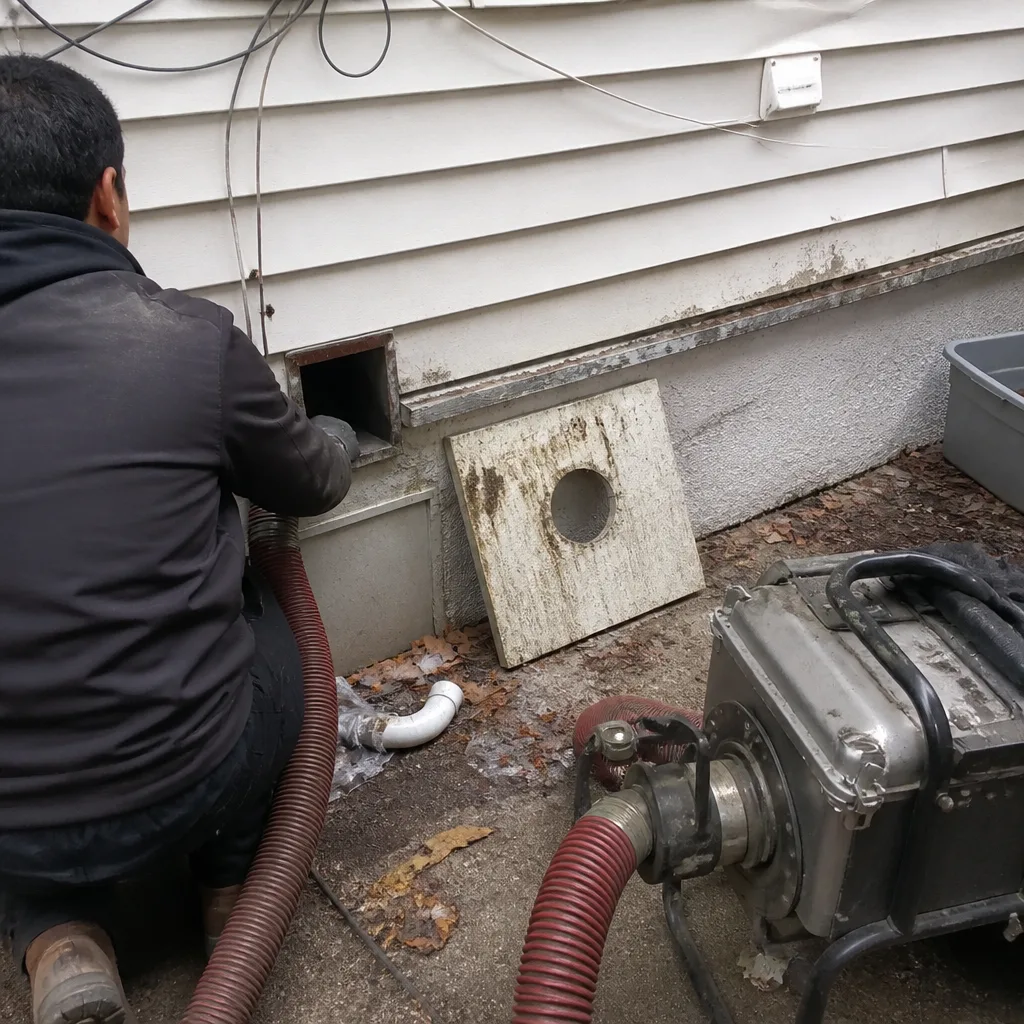
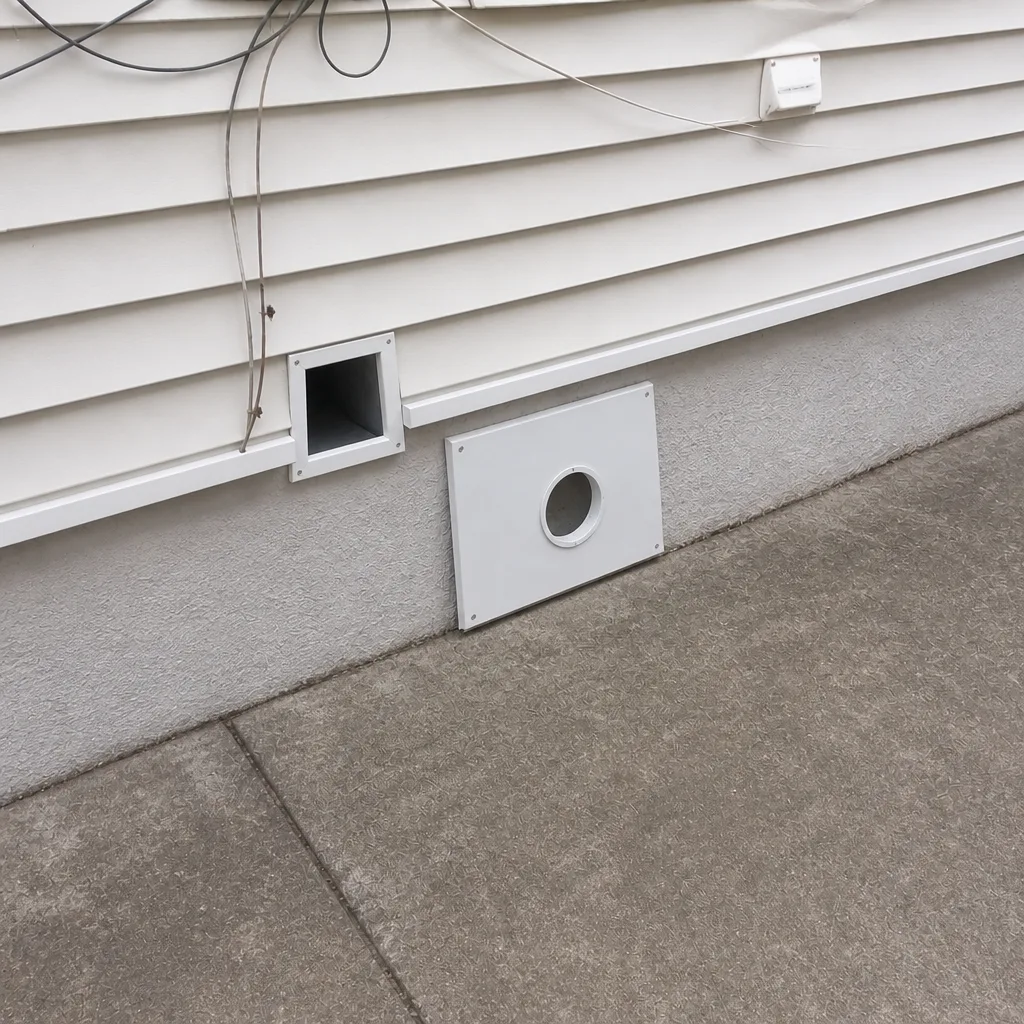
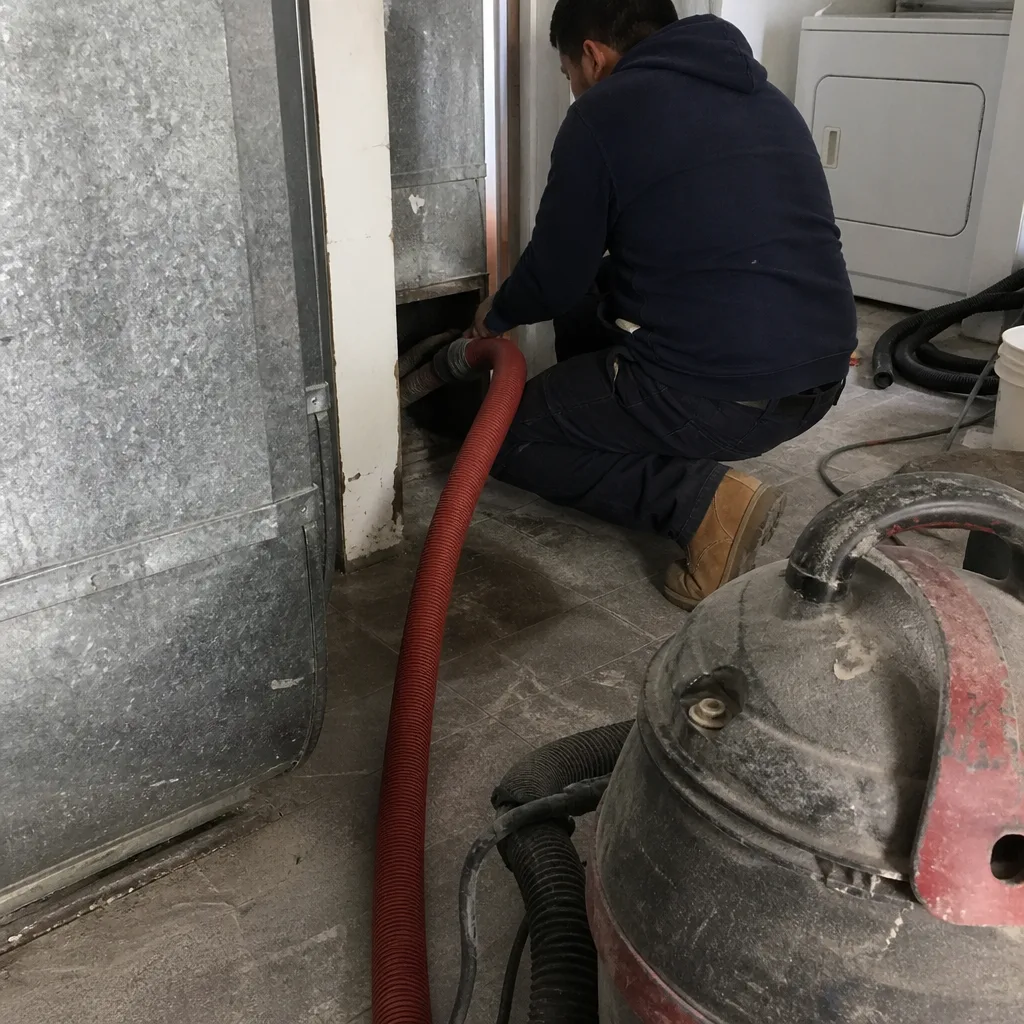
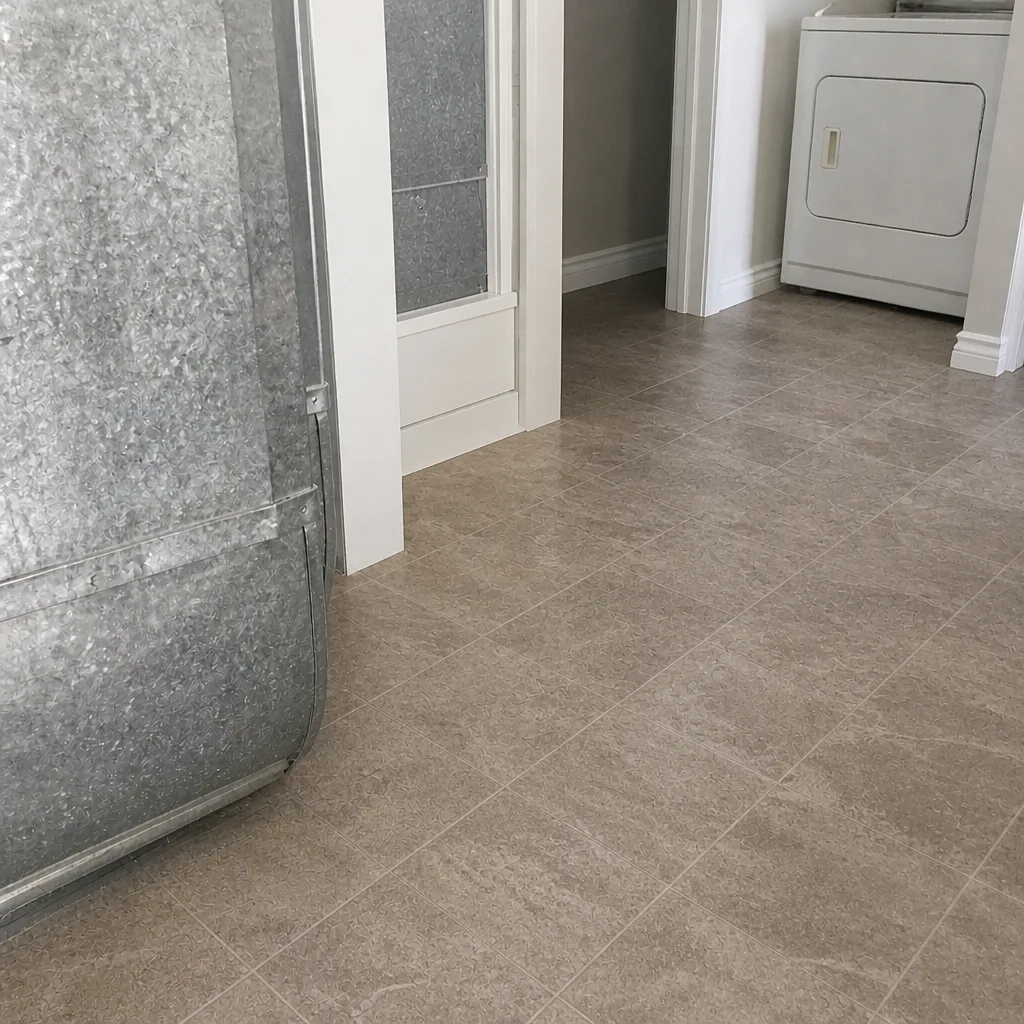
Whole-system duct and dryer vent check with before-and-after photos - you see exactly what came out of your vents
That "$99 whole-house special" is a bait ad - the real number appears once they are in your hallway, or the "clean" is a shop-vac at the register. We photograph the inside of your ducts before and after instead.
Air Duct Cleaning Emergency Preparedness Guide for East New York Homes
When the basement floods in a heavy rain event, the first instinct is to call a water remediation company. But if the air handler sits in that basement and you switch the system back on before the ductwork has been inspected, you’ve just pushed whatever the flood water deposited into every room in the house. Your duct system is the one part of the home that can turn a single localized emergency into a whole-house contamination problem, and yet it’s almost never part of anyone’s emergency plan. This guide walks East New York homeowners through the specific response sequence for floods, fires, storms, construction debris and rodent intrusion, and it ends with a simple reference sheet you can build for your HVAC system before you ever need it.
Quick Answer
After any flood, fire, storm or rodent event, shut the HVAC system off at the thermostat and at the breaker before doing anything else, then have the duct system inspected before you run air through it again. In East New York’s older housing stock, where air handlers often sit in basements and duct runs are long and partly concealed, contamination that stays damp for even a couple of days can colonize and then spread through every supply register in the home. The correct order is always: stop the system, assess, clean, sanitize, then run.
Styles & brands we work with
- Whole-home duct cleaning
- Dryer vent cleaning
- Camera inspection
- Sanitizing & deodorizing
Table of Contents
- Why Duct Systems Belong in Your Emergency Plan
- Post-Flood Protocol: Was the Duct System Wetted?
- The Mold Colonization Window in Damp Ductwork
- Post-Fire and Smoke Damage: Why Standard Cleaning Fails
- Storm, Roofing and Construction Debris Events
- Rodent Intrusion: Signs and the Correct Sequence
- Building Your HVAC Emergency Reference Sheet
- Common Mistakes to Avoid
Why Duct Systems Belong in Your Emergency Plan
Most East New York homeowners know where the water main shutoff is and where the electrical panel lives. Far fewer can point to the air handler, the return trunk, or the breaker that kills the blower. That gap matters more than it sounds, because ductwork is a distribution network. Whatever gets into it gets delivered, room by room, with a fan pushing it along.
The housing here makes this more acute than in newer construction. A large share of East New York’s two- and three-family homes were built decades ago, with air handlers and furnaces in basements, duct runs that snake through half-finished spaces, and return paths that draw air from a single central grille. When something goes wrong in that basement, the duct system sits directly in the path of it.
There’s a second reason to plan ahead. The instinct in an emergency is to call whoever answers first, and that is usually a general cleanup crew with a shop vac. Professional-grade equipment, not repurposed shop vacs, is what actually removes contamination from interior duct surfaces and pushes it into a HEPA-filtered collection system. A tool built for a wet/dry pickup cannot do that, and the difference is not cosmetic.
We’ve seen enough post-emergency systems to know the pattern: the visible mess gets handled well, and the invisible one gets left in the ducts. Plan for the invisible part at the same time you plan for the rest.
Post-Flood Protocol: Was the Duct System Wetted?
The question after any flood is not “did water get in the house.” It’s “did water reach the duct system.” Those are different problems with different timelines, and the answer decides whether you can run the system or must keep it off.
Step-by-step: what to do in the first hours after a flood
- Kill the system completely. Set the thermostat to off, then switch the breaker that feeds the air handler or furnace. Don’t rely on the thermostat alone; a blower that runs during a wet event distributes moisture into the supply trunk.
- Photograph everything before cleanup. Document the water line on the air handler, the condition of any flex duct connections, and the basement floor. Insurers and remediation decisions both hinge on this record.
- Check the duct’s elevation relative to the water line. Rigid metal trunk lines mounted high usually stay dry even when the basement floor floods. Low-lying flex runs, floor registers, and any duct with a disconnected joint are another story.
- Look for water inside registers. Lift a few supply grilles on the lowest floor. Standing water, damp insulation lining, or a dark water line on galvanized metal all tell you the system took on water.
- Keep the system off until an inspection. This is the hard one. It’s a wet, miserable week and people want the air moving. Running it is how a basement flood becomes a whole-house problem.
If the water stayed in the basement and never reached the air handler or a duct joint, the system is likely dry. Have it confirmed anyway. In East New York’s older homes, duct runs are often partly concealed behind finished walls, and a wet section you can’t see is exactly the one that matters.
The Mold Colonization Window in Damp Ductwork
Damp duct interior is a good place for mold if it is left damp long enough. The timeline that matters is roughly a couple of days before visible growth and a matter of days, not weeks, before contamination is established along the lining and joints. That’s why the flood protocol is about speed, not convenience.
When it’s safe to run the system, and when it isn’t
- Safe to run: the duct system was confirmed dry, the air handler is dry, and no standing water reached any register or joint. Filter changes and a normal cleaning schedule still apply.
- Not safe to run: water touched the air handler, a flex run, a floor register, or any duct insulation. Keep the breaker off and have it inspected.
- Not safe to run: the space smells musty after the water is gone. Odor is one of the more reliable indicators that moisture has settled into a lining or a concealed run.
Duct insulation is the part that complicates this. Fiberglass duct board and internal lining absorb water and hold it far longer than metal does, so a metal duct system that dries out by the next day may still have a saturated lining next to it. Abatement Technologies protocols for air quality sanitizing exist for exactly this scenario; the surface is cleaned, then treated, because debris removal alone doesn’t address a contaminated lining.
If you’re rebuilding an air quality setup after a flood event, this is the moment to think about the whole system rather than the visible duct. Our work on air duct cleaning in these post-flood situations is usually a clean, seal, sanitize sequence rather than a single pass.
Post-Fire and Smoke Damage: Why Standard Cleaning Fails
Smoke reaches duct interiors more thoroughly than it reaches almost any other surface in the home, and it doesn’t just pass through. Soot particles, and especially the oily residue from kitchen and electrical fires, coat the inside of the duct and stick to it. That coating is what a normal cleaning pass misses.
Why the residue keeps coming back
Smoke residue has an adhesive quality, and it bonds to galvanized metal and to duct lining. Running a standard contact cleaner over the surface without the right agitation and extraction leaves a film, and the film keeps releasing odor every time the system cycles. A room that seems fine on a quiet afternoon can smell like the fire again the moment the heat comes on.
What remediation-level service involves
- Source removal with contact agitation. The interior surface has to be mechanically scrubbed, not just vacuumed. Rotobrush systems are built for this contact work inside the duct.
- High-efficiency particulate extraction. Nikro units pull the loosened debris into a HEPA-filtered collection chamber so the material doesn’t redistribute into the living space during the job.
- Treatment for residue and odor. Sanitizing protocols for biological and residue contamination follow the lining, the trunk, and the joints.
- Sealing of compromised joints. Fire and heat stress open seams. If those seams stay open, the duct draws attic or basement air forever after.
If your home has a Honeywell or Aprilaire filtration or humidity component installed, note it before the work starts. Those components need to be protected or removed during cleaning, and they need to be inspected afterward. Visit our HVAC cleaning page if the air handler itself was in the fire zone; smoke coatings on the blower and coil are a separate job from the ducts.
Storm, Roofing and Construction Debris Events
Duct contamination doesn’t only come from inside. It comes in through the return air intake, and the return is usually the least protected opening in the system. A return grille without proper filtration is a straight path in.
Events that trigger intake contamination
- Roofing work on your building or the one next door. East New York’s rowhouses and multi-family buildings sit close together. Tear-off debris, shingle grit, and insulation fibers travel further than people expect, and a return drawing from an attic space pulls it directly in.
- Demolition of an adjacent structure. Demolition dust is heavy, alkaline, and it settles into any opening that’s pulling air.
- Road and sidewalk work. Concrete cutting and asphalt work generate fine particulate that stays airborne long enough to be drawn in.
- High-wind storms that lift debris and stress roof assemblies. Wind-driven debris can find gaps at a ridge vent or a loose flashing and enter the attic, where an attic return picks it up.
The immediate response is simple: shut the system down during the noisiest part of the work, photograph any visible dust plumes near return grilles, and change the filter afterward. Then watch the filter. If a fresh filter loads up in a matter of weeks, the contamination is coming from the duct side, not from the room.
Construction dust also reveals existing seal failures. Ducts that leak at joints in an attic or wall cavity pull ambient air permanently, so debris is a symptom and leakage is usually the underlying cause. That’s why repair and sealing belongs in the same conversation as cleaning, and why we treat them as one scope. If you’re also thinking about fire risk during a renovation window, our dryer vent cleaning work addresses the lint load that builds during construction dust season.
Rodent Intrusion: Signs and the Correct Sequence
Rodent activity inside a duct system is a health concern first and a nuisance second. Mice and squirrels use ducts as corridors, and the droppings, nesting material, and urine they leave behind are not something a general cleaning pass removes safely. If you disturb that material with the system running, you aerosolize it.
Signs an animal has been in the duct system
- Scratching or movement sounds in the walls or ceiling, especially around dawn or dusk.
- Droppings in the basement near the air handler, or inside a supply register boot.
- A strong ammonia odor from a register when the system starts.
- Chewed flex duct, torn insulation, or a disconnected run in the attic or crawlspace.
- Filter material shredded or pushed aside.
The correct remediation sequence
- Stop running the system. Turn the thermostat off and kill the breaker before you inspect anything.
- Exclude the animal first. Cleaning a duct the animal can walk straight back into is wasted work. Close the entry point before cleaning starts.
- Remove contaminated material under containment. Nesting material and droppings come out with HEPA-filtered extraction, not a shop vac.
- Sanitize the full run. Surfaces get treated, not just vacuumed. This step is where rodent jobs and ordinary cleaning jobs diverge.
- Repair the breaches. Chewed flex duct, torn joints, and disconnected boots get repaired and sealed so it doesn’t happen again.
We’ve handled enough of these in East New York’s older homes to say plainly that the sealing step is the one people skip, and it’s the one that decides whether the problem returns. If you’re facing this right now, our main Air Duct Cleaning East New York page covers the full service scope and free estimate process.
Building Your HVAC Emergency Reference Sheet
Ten minutes of prep now saves you a panicked decision later. Build a single sheet, laminate it, and keep it where you can find it in the dark. This is the part of the guide to actually do today.
What goes on the sheet
- Thermostat location and shutoff method. Some thermostats have a system switch; others are app-controlled. Note which yours is.
- Air handler location and the breaker label. Write down the exact breaker panel position and the number or label on the breaker that feeds the blower. Don’t trust memory at 2 a.m.
- A duct layout sketch. Rough is fine. Mark the return trunk, the main supply trunk, the floor registers, and any concealed runs behind finished walls. Mark any you can’t see.
- Filter size and location. Include return grille filters and any media cabinet filter at the air handler.
- Installed air quality components. Note the make and model of any filtration, humidifier, or ventilator equipment so nobody removes it blindly during a cleaning job.
- Two contacts: your HVAC contractor and your duct cleaning company. Write the numbers on the sheet, not just in your phone.
- A small emergency kit near the panel. Flashlight, nitrile gloves, a digital camera or your phone, and a marker for labeling the breaker.
One more item worth adding: the date of the last duct and dryer vent service. In a genuine emergency, a technician’s first question is what’s been done and when. Having that answer shortens the assessment, and in a multidwelling building it can mean the difference between a single unit’s problem and a building-wide one.
Common Mistakes to Avoid
- Turning the system back on to “dry it out.” Running the blower after a flood pushes moisture and contamination into the supply trunk. Air movement feels like progress and isn’t.
- Calling a general cleanup crew for the ducts. Wet/dry vacuums are not duct cleaning equipment. In East New York’s older homes, the wrong method can spread debris through a system faster than it removes it.
- Waiting for the smell to get worse before acting. Musty odor after a water event means contamination is already established. Waiting is the mistake, not the caution.
- Skipping the seal after a rodent or fire job. Clean ducts with open joints draw attic or basement air permanently. Cleaning without sealing leaves you one bad week away from the same problem.
- Assuming a high return grille is safe from a flood. The register may be high, but the run behind it may drop through a wet space. Check the run, not the grille.
- Cleaning the ducts but ignoring the air handler. A contaminated blower and coil recontaminate clean ducts on the first cycle. It has to be scoped together.
- Never documenting the system before an emergency. Without a layout and a breaker note, a two-minute shutdown becomes a search through a dark basement while water rises.
See the difference
 Before
 After
 Before
 After
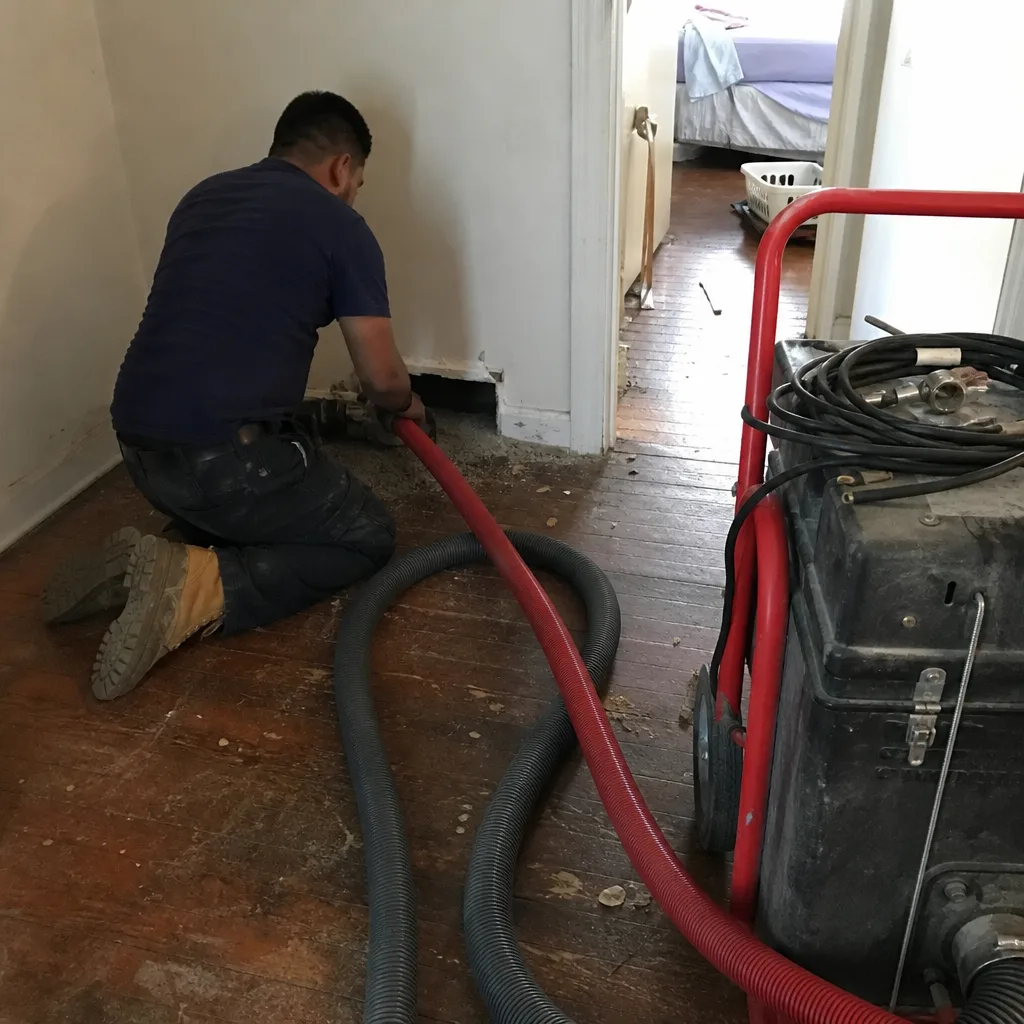 Before
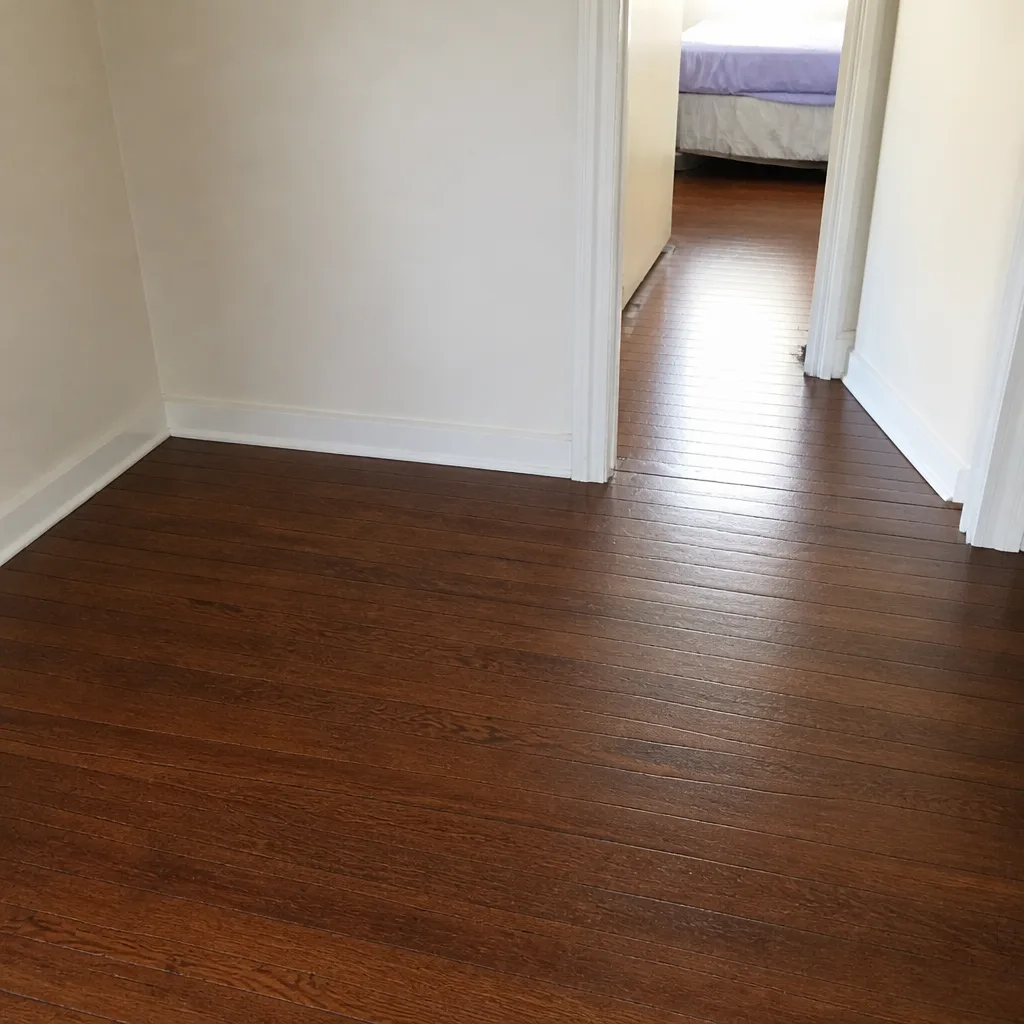 After
When to Call a Professional
Call a professional the moment water touches the air handler or any duct joint, the moment smoke or soot has moved through the system, or the moment you find droppings or nesting material at a register. Don’t wait for odor or visible mold; by the time you can smell it, contamination is already established along the lining. Call if a return has been drawing construction or demolition dust for more than a day, and call if a filter loads up unusually fast after any of these events. None of these are jobs for a household vacuum, and in a multi-family building the risk is shared between units. Air Duct Cleaning East New York offers free estimates in East New York; call (833) 362-3254. We answer 24/7, with fast dispatch from 7am to 7pm. The local pro is licensed and insured as their state requires, and you’ll get one flat price per system agreed before work starts.
Frequently Asked Questions
Within a couple of days, and the system should stay off in the meantime. Damp duct interior can begin to support mold growth in that window, and every hour the blower runs spreads contamination to rooms that were never wet. Call (833) 362-3254 for an exact quote; estimates are free.
Usually yes, but only after someone has confirmed the run is actually dry. In East New York’s older multifamily homes, ductwork is often partly concealed behind finished walls, and a wet section you can’t see is the one that matters. Call (833) 362-3254 for an exact quote; estimates are free.
No. Smoke residue bonds to galvanized metal and duct lining, and contact cleaning without proper agitation and HEPA extraction leaves a film that keeps releasing odor on every cycle. Post-fire work needs source removal, extraction, and sanitizing, followed by sealing of heat-stressed joints. Call (833) 362-3254 for an exact quote; estimates are free.
Roughly a couple of days before visible growth appears, and lining materials hold moisture far longer than bare metal does. That’s the reason the response is always stop the system, assess, then clean and sanitize. Call (833) 362-3254 for an exact quote; estimates are free.
Shut the system off at the thermostat and the breaker, then leave it off. Rodent droppings and nesting material in a duct system should be removed under HEPA containment and the full run sanitized afterward, and the animal’s entry point has to be closed before cleaning or the problem returns. Call (833) 362-3254 for an exact quote; estimates are free.
It’s priced per job by written estimate after the technician sees the system, not by price per vent, because the size, layout, and condition of East New York’s older duct runs vary so much between buildings. Quotes that look dramatically cheaper are usually the bait-and-switch kind that grow once the technician is on site. We work on one flat price per system agreed before the work starts, with before-and-after photos of your own ducts. Call (833) 362-3254 for an exact quote; estimates are free.
The Bottom Line
Your duct system is the fastest route for a single localized emergency to become a whole-house air quality problem, and it’s the one part of the house most people never plan for. Shut the system off before anything else. Get the ducts inspected before you run air through them. Then clean, sanitize, and seal, in that order, because cleaning alone leaves the underlying breach in place. Build the reference sheet, write down the breaker, and keep the number handy. Our technicians have up to 13 years of experience with professional-grade equipment, not repurposed shop vacs, and the goal is the same in every emergency: air you can trust.
Call (833) 362-3254 for a free estimate. We answer 24/7, with fast dispatch from 7am to 7pm, Sunday through Friday.
Written by the team at Air Duct Cleaning East New York.