
Last updated November 22, 2026
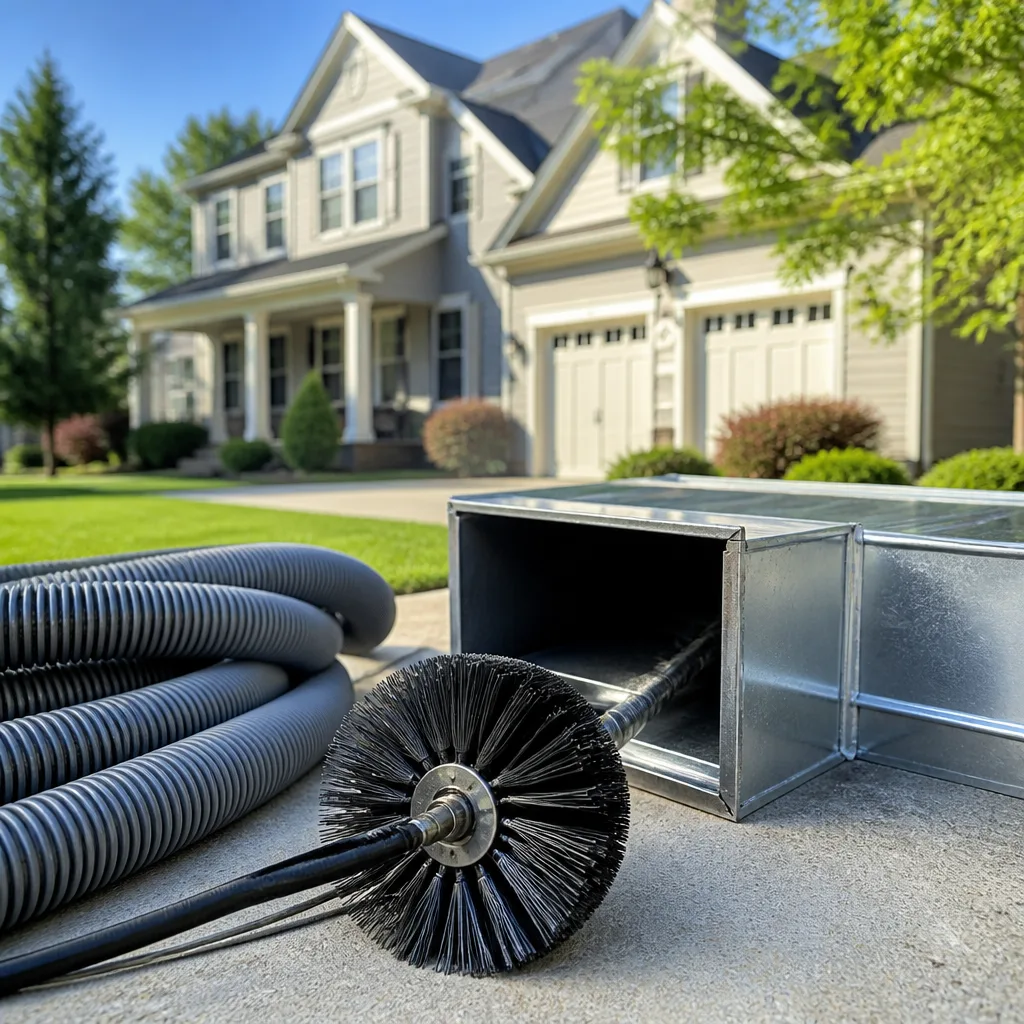 Whole-home duct cleaning
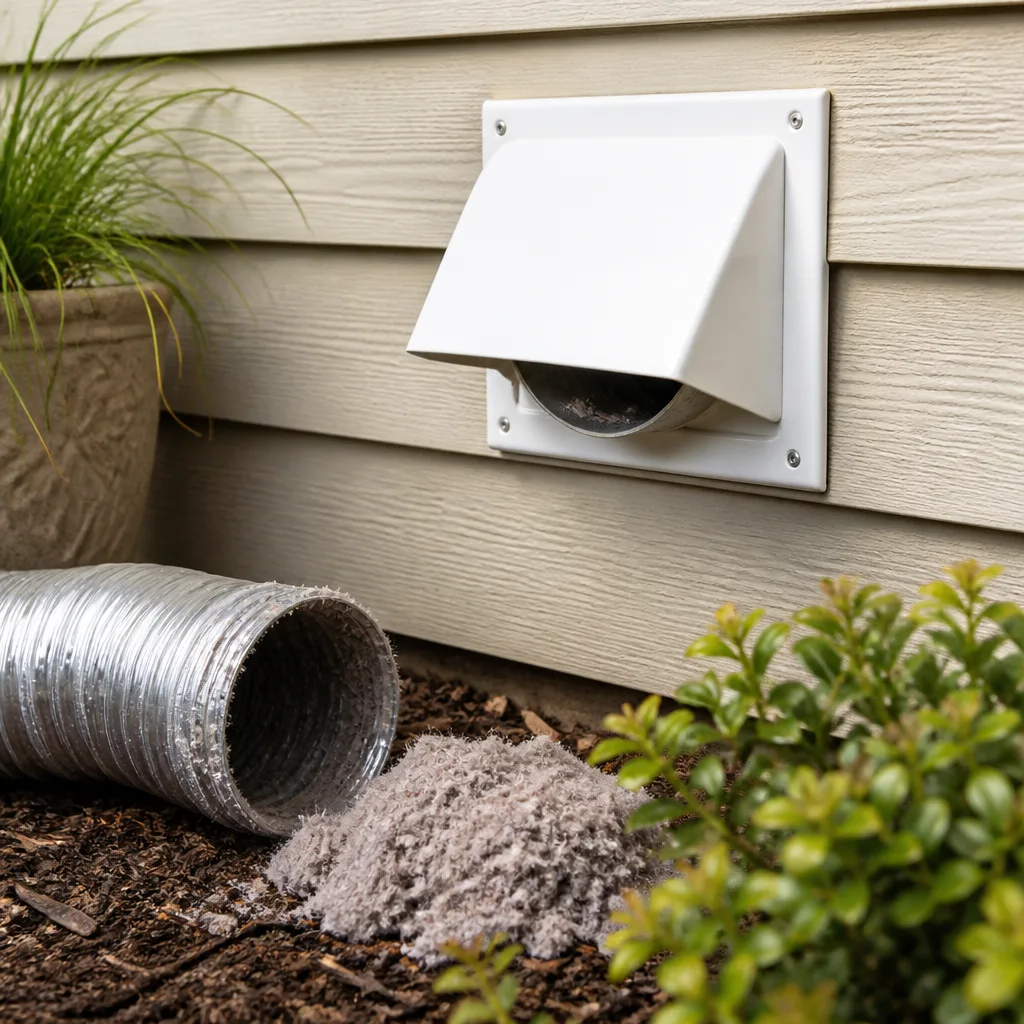 Dryer vent cleaning
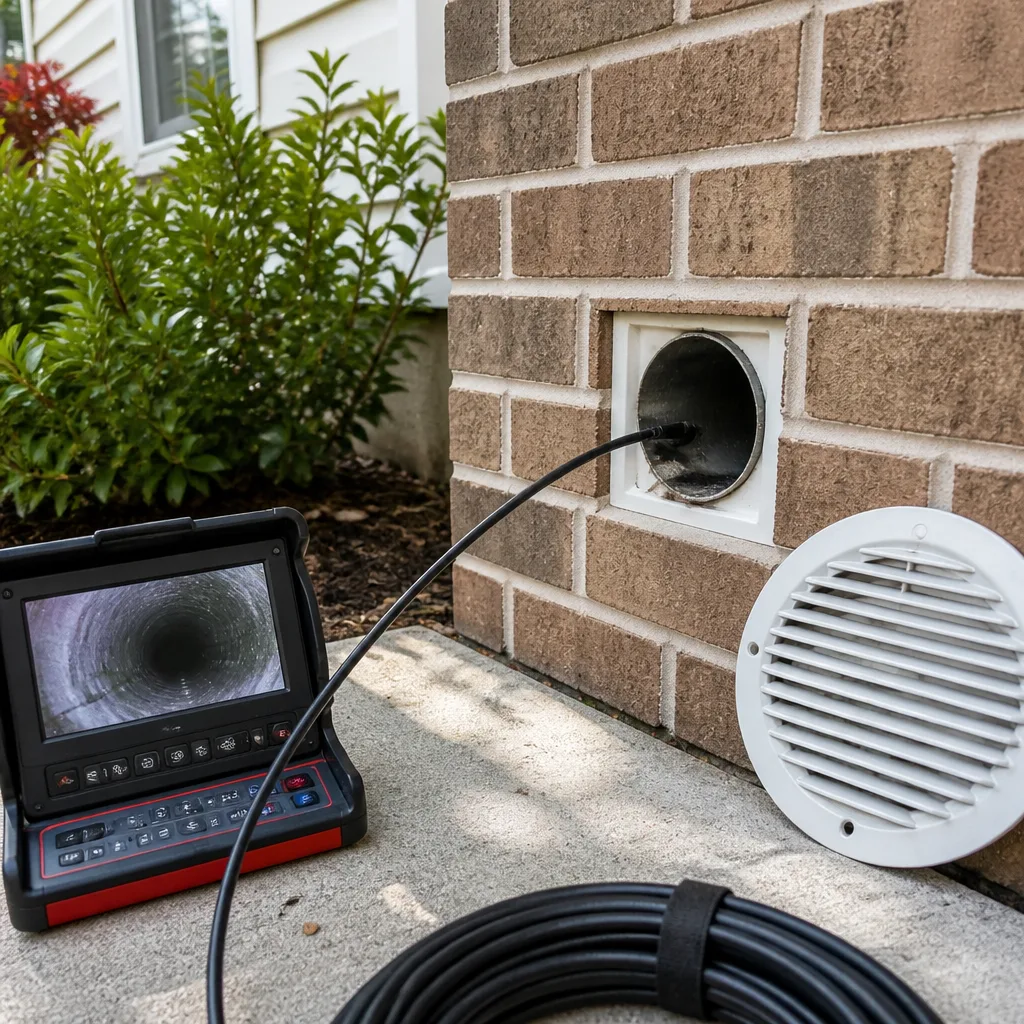 Camera inspection
 Sanitizing & deodorizing
Whole-system duct and dryer vent check with before-and-after photos - you see exactly what came out of your vents
That "$99 whole-house special" is a bait ad - the real number appears once they are in your hallway, or the "clean" is a shop-vac at the register. We photograph the inside of your ducts before and after instead.
The Complete Guide to Air Duct Cleaning in East New York
Most duct cleaning guides are written as if every home has a modern forced-air system in a 2004 suburb. East New York doesn’t work that way. Walk a few blocks here and the housing stock changes completely: 1920s steam-era conversions, attached row houses with shared walls, two-family homes carved into rentals, and 1970s public housing retrofits. The duct systems inside them behave differently, and the cleaning method has to change with them. This guide maps what a proper air duct cleaning in East New York actually involves, system by system, so you know what to expect before anyone shows up with a hose.
Quick Answer
Air duct cleaning in East New York is a system diagnosis before it is a cleaning job. A proper service inspects the duct layout, identifies the housing type (row house, two-family conversion, or older retrofit), then uses professional-grade extraction like Rotobrush and Nikro to remove debris, sanitize the system, and document the result. Without that sequence, a “cleaning” is just surface work that leaves the contamination in place.
Styles & brands we work with
- Whole-home duct cleaning
- Dryer vent cleaning
- Camera inspection
- Sanitizing & deodorizing
Table of Contents
- How East New York Housing Types Shape Duct Cleaning
- Why Urban Particulate Density Matters Here
- What Rotobrush and Nikro Actually Do at Each Stage
- Cleaning Job vs. Full System Assessment
- What a Completed Job Should Include
- Duct Repair and Sealing: Fixing the Root Cause
- Dryer Vent Cleaning as a Safety Service
- How Often Ducts Really Need Cleaning
How East New York Housing Types Shape Duct Cleaning
The single biggest factor in what a duct cleaning job looks like in East New York is the housing. Three broad categories show up again and again, each with its own quirks.
Attached Row Houses and Shared Walls
Row houses run wall-to-wall, which means duct runs are often shorter than in detached homes but more tightly routed. Supply trunks hug interior walls, and return paths can be squeezed into narrow chases between units. That tight routing means debris accumulates faster in the bends, and the extraction equipment has to work around more corners. A brush-and-shop-vac setup struggles with these runs; a contact cleaning system with flexible whip lines handles them.
Two-Family Conversions and Carved Rentals
Many East New York two-families were built as single-family homes and later divided. Ductwork sometimes got split with them, and sometimes didn’t. In our experience, the trickiest jobs are the ones where a former single trunk now serves two dwelling units with uneven static pressure. Those systems usually need a full assessment before anyone cleans, because cleaning a badly balanced system without addressing the layout just re-contaminates it.
Older Retrofits and Slab-on-Grade Units
1970s-era retrofits and slab-on-grade units put ductwork under the floor or in low crawl spaces. Access is limited, and the long horizontal runs collect more than vertical ductwork does. Inspection camera footage often reveals joint separation and debris buildup at the elbows that a surface clean would never reach.
Why Urban Particulate Density Matters Here
Ask anyone who runs a filter business and they’ll tell you: air in a dense Brooklyn neighborhood carries a different load than suburban air. More vehicle traffic, more construction dust from renovation cycles, more street-level grit in the air near transit corridors. None of that is alarming, but it does change how fast a duct system accumulates material.
The practical effect in East New York is that ducts in homes near busier corridors tend to soil faster than the same ducts a few blocks off the main roads. Filters load up sooner, returns get grimy sooner, and the “once every 3-5 years” guideline that gets repeated online often doesn’t match what we actually find in the neighborhood.
What that means for a homeowner:
- Change filters on schedule, not by memory. Write the date on the filter edge.
- Look at the return grille monthly. Visible dark film is an early sign.
- Pay attention to dust settling on horizontal surfaces near supply registers, since that often tracks with duct soil.
- Schedule cleaning based on what the system shows, not on a calendar assumption imported from a suburban guide.
What Rotobrush and Nikro Actually Do at Each Stage
Your duct system is only as clean as the method used to clean it. There’s a real gap between professional-grade extraction and the shop vac some operators pass off as duct cleaning. Here’s how a proper job runs, stage by stage.
- Pre-inspection and negative pressure setup. The technician seals registers, sets a high-efficiency particulate extraction unit (Nikro or equivalent) to hold the system under negative pressure, and confirms the airflow path. This is what stops the debris from redistributing into living space.
- Contact cleaning with Rotobrush. The Rotobrush tool drives a rotating brush head through each branch line, dislodging material from the duct walls while the extraction unit pulls it out. This is the step that a hand brush and shop vac physically cannot replicate.
- Trunk and main-run cleaning. Larger trunks get separate attention with larger tooling. In East New York row houses, this stage is often where the highest debris volume shows up.
- Sanitizing. Where contaminants call for it, the system is treated with an air quality sanitizing protocol. Abatement Technologies protocols are the standard we follow for this stage.
- Final inspection and documentation. Cameras back through the system, airflow readings, and before/after imagery so the homeowner can verify the work.
If the equipment looks consumer-grade, the job is going to be surface work. Ask what brand of equipment the operator uses. If they hesitate, that’s your answer.
Cleaning Job vs. Full System Assessment
Not every call is a cleaning. Sometimes the real problem is a design or repair issue, and no amount of contact cleaning will fix it permanently. That’s why a proper air duct cleaning appointment starts with an inspection before any cleaning begins.
What changes the recommendation is almost always what the inspection camera sees. A few examples of what turns a “clean” into a “clean, repair, seal”:
- Visible separation at joints or flex duct connections.
- Crushed or disconnected duct sections in a crawl space or chase.
- Debris accumulation beyond the reach of a brush head that indicates a physical obstruction.
- Uneven airflow between rooms that suggests a trunk or damper issue.
- Evidence that a prior “cleaning” just disturbed debris without extracting it.
When any of those show up, the honest answer is to correct the structural problem alongside the cleaning. Otherwise the debris comes back.
What a Completed Job Should Include
You should never have to take a technician’s word for what got done. Any Air Duct Cleaning East New York job done properly ends with documentation you can keep. What to expect:
- Before-and-after photos of the same duct sections, taken from the same angles. Not stock images.
- Airflow readings at supply and return registers, taken before and after cleaning.
- Sanitizing log noting which areas were treated and with what protocol.
- Notes on any repairs or sealing performed, including what was found and what was addressed.
- A recommendation on the next inspection interval based on what the system showed.
If a provider can’t show you their own photographs of your own ducts, that’s a warning sign. Documentation is the difference between a verifiable job and an oral promise.
Duct Repair and Sealing: Fixing the Root Cause
Cleaning without repair is half a job. In East New York’s older housing stock, duct systems show their age at the joints. Seams separate as buildings settle, flex duct connections work loose in a chase, and older taped seams peel back. Every one of those gaps leaks conditioned air into a wall cavity or crawl space, and every gap is also a path for particles to enter.
Duct repair and sealing alongside cleaning means one provider can diagnose, clean, and structurally correct the system in a single engagement. That’s the full-spectrum advantage over a cleaning-only job, which leaves the leaks in place.
Where we’ve seen repair make the most difference:
- Attached row houses where shared-wall chases hide a failing joint for years.
- Two-family conversions with mismatched static pressure between units.
- Older slab-on-grade runs with loose connections below the floor line.
Clean, sealed, sanitized is the sequence. Any one stage on its own leaves work on the table.
Dryer Vent Cleaning as a Safety Service
dryer vent cleaning is a dedicated service, not an upsell tacked on at the end of an air duct visit. Lint buildup in a dryer vent is a documented fire risk, and the National Fire Protection Association has long identified dryer vent failure as a leading cause of residential fires. In East New York, where many homes have dryers routed through long vent runs to reach an exterior wall, that risk compounds.
Signs a dryer vent needs attention:
- Clothes take longer than usual to dry.
- The dryer feels hot to the touch on the cabinet during a cycle.
- The exterior vent flap doesn’t open fully or stays partially closed.
- Lint is visible around the vent connection behind the dryer.
- It’s been years since the vent was last cleared.
If you’re already having the ducts cleaned, that’s a natural time to have the dryer vent checked too. It’s also a common code-compliance gap in units that have been converted or re-vented over the years.
How Often Ducts Really Need Cleaning
The honest answer: there’s no universal interval. The “every 3-5 years” recommendation gets repeated everywhere, but in East New York the number shifts depending on housing type, filter habits, and how busy the street outside is.
What actually determines the interval:
- Visible dust discharge from registers.
- Filter loading speed (if filters darken fast, the system is working harder).
- Recent renovation or construction in the home.
- Mold or musty smell from registers.
- Pest activity in the ductwork.
- Uneven airflow that suggests accumulated obstruction.
Those signs trump any fixed calendar. If any of them appear, it’s time for an inspection. If none do, and the system is running well, there’s no emergency. Look at the HVAC cleaning angle too, since coil and blower condition affects what’s being pushed through the ducts in the first place.
Common Mistakes to Avoid
- Hiring on price alone. A shop-vac operator will quote low and deliver surface work. Duct cleaning is a method-driven service, not a commodity.
- Not asking what equipment they use. If the answer is vague, walk away. Ask specifically about Rotobrush, Nikro, or equivalent professional extraction.
- Skipping the inspection. Cleaning without an initial camera inspection means nobody knows what’s actually in the system, and repair needs get missed.
- Assuming a cleaning is the same as a repair. Loose joints and disconnected runs won’t fix themselves. If a technician only cleans, ask about sealing and repair.
- Ignoring the dryer vent. Many homes in East New York have dryer vents sharing a wall cavity with other runs. If they haven’t been checked, they should be.
- Not asking for before/after photos. Documentation is the answer to “did they actually do anything?” Ask up front.
- Assuming one interval fits all homes. A 1920s row house and a 1970s retrofit don’t soil at the same rate. Judge by what the system shows.
See the difference
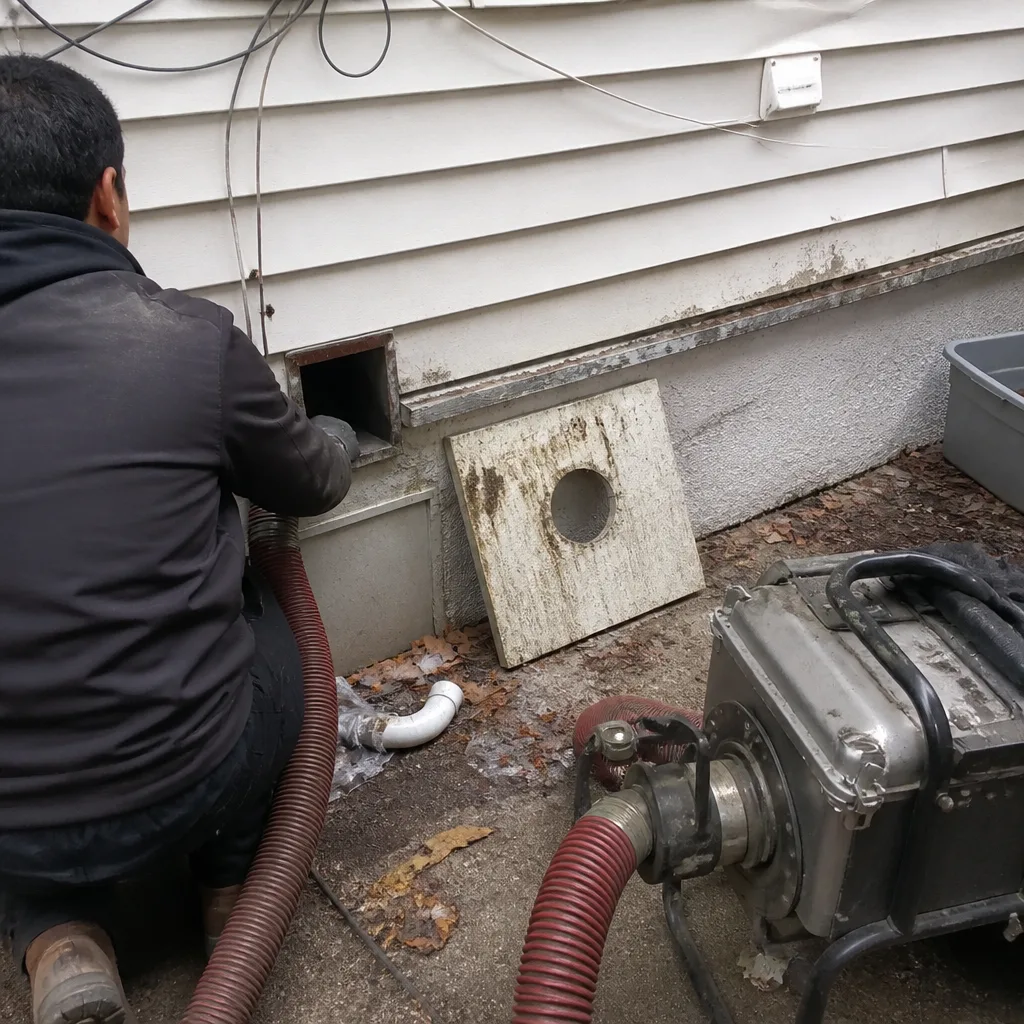 Before
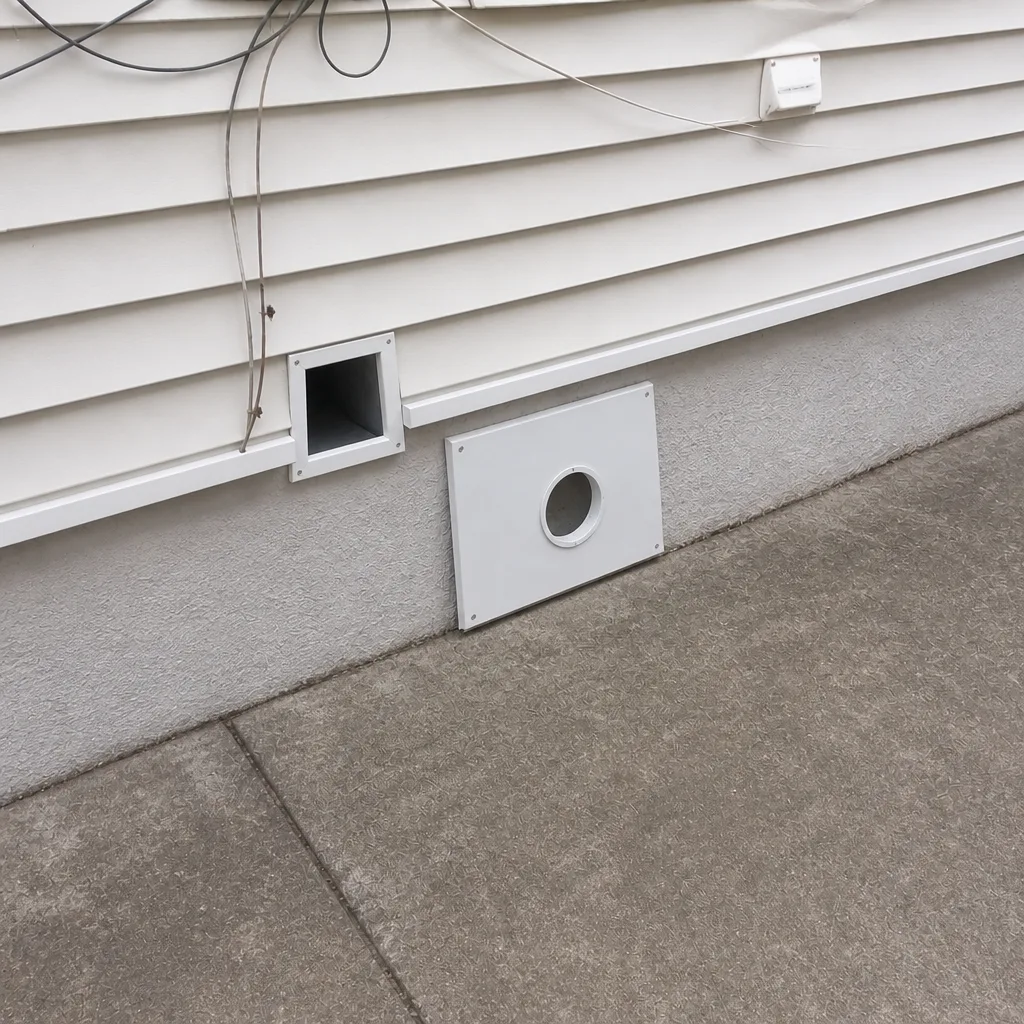 After
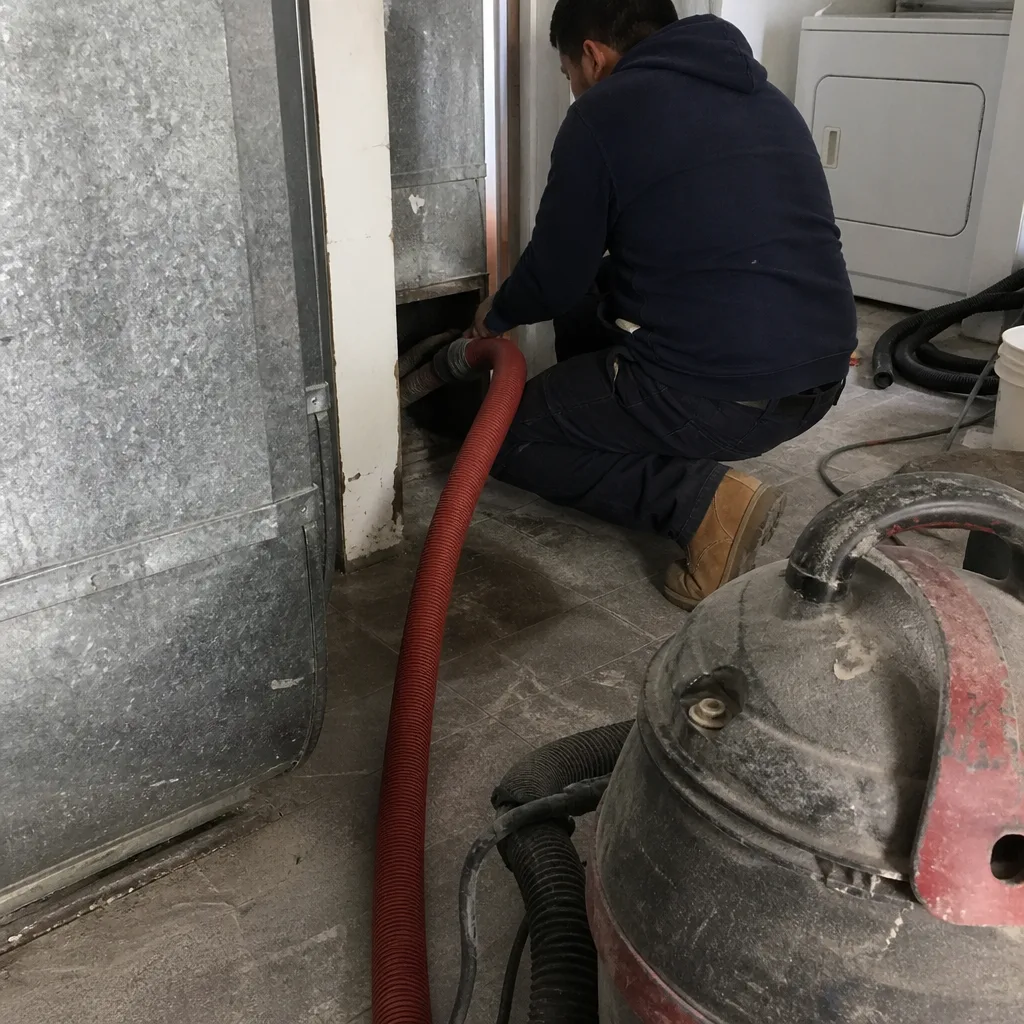 Before
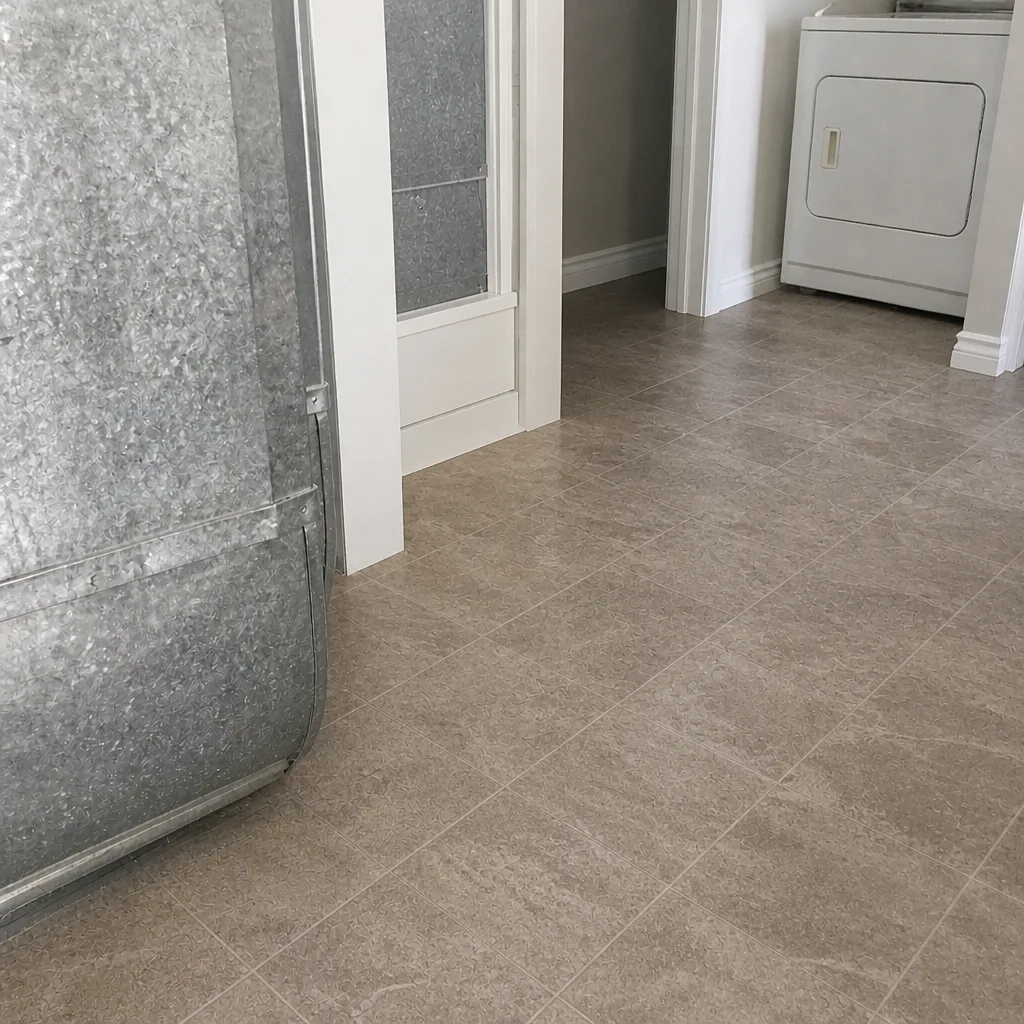 After
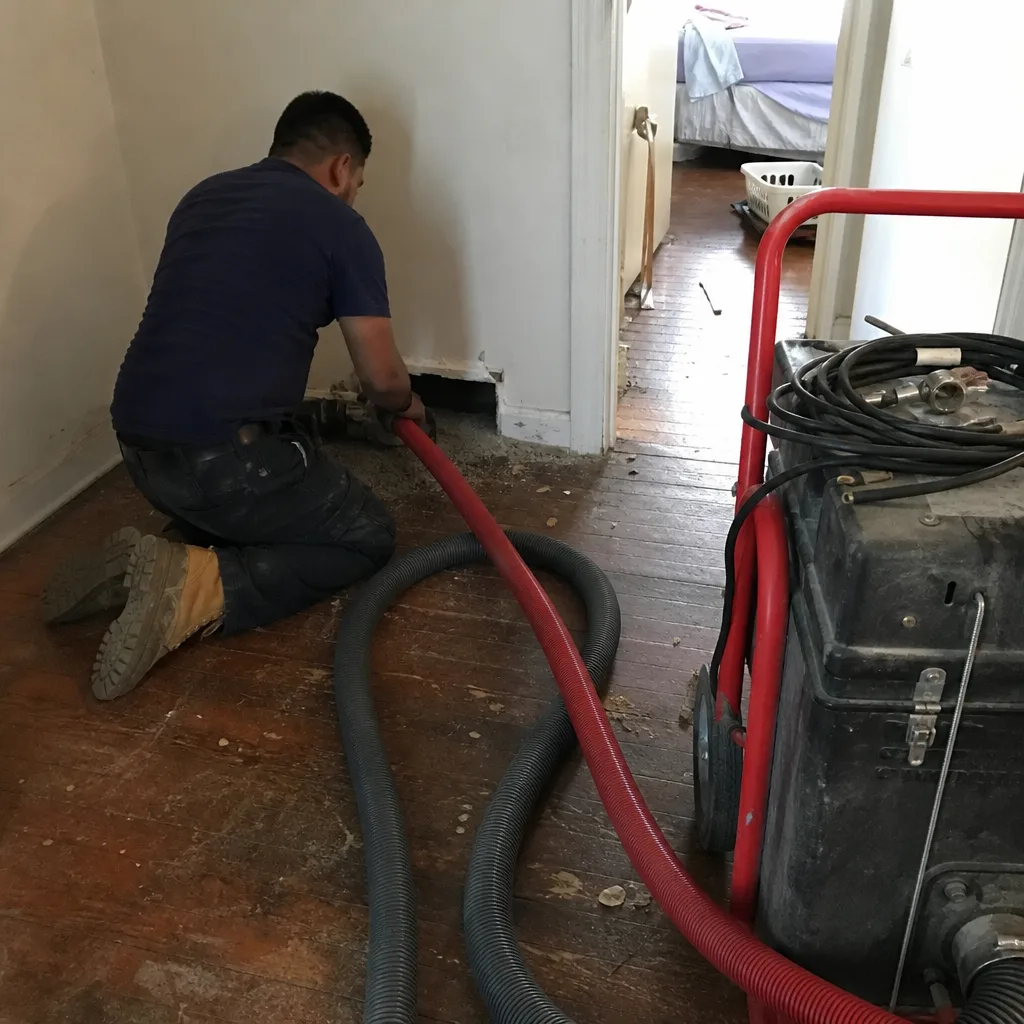 Before
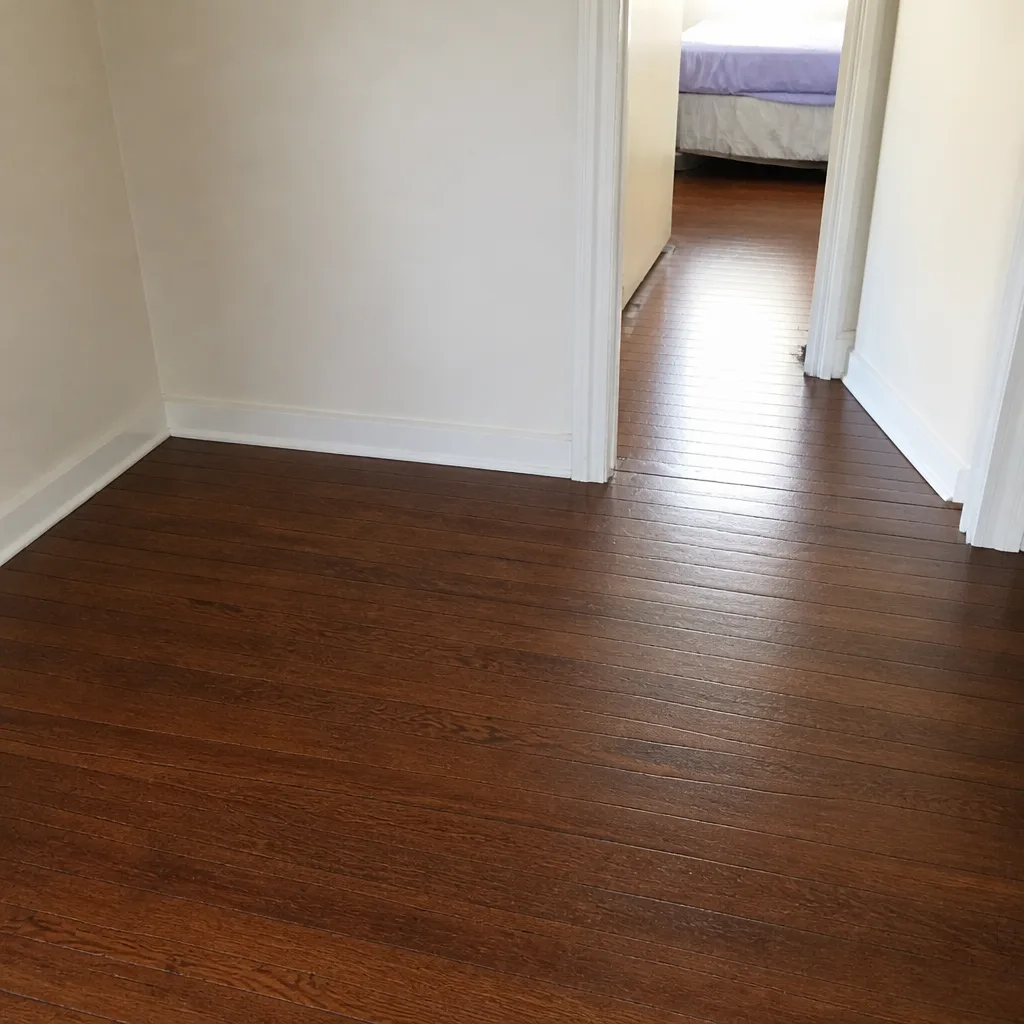 After
When to Call a Professional
Some signs are cosmetic and can wait for a scheduled visit. Others shouldn’t slip. Call a professional if you’re seeing visible dust puffing from registers when the system starts, if anyone in the household is noticing increased allergy or respiratory symptoms that track with the HVAC running, if there’s a musty or moldy smell from supply vents, if you’ve had recent renovation work that generated heavy dust, or if the system hasn’t been inspected in many years and the home is an older East New York build. Duct cleaning is also the right call if you’re preparing a two-family for a new tenant, since documentation makes the hand-off cleaner. Air Duct Cleaning East New York offers free estimates in East New York. Call (833) 362-3254. We answer 24/7. Fast dispatch from 7am to 7pm, Sunday through Friday.
Frequently Asked Questions
Typical residential air duct cleaning runs in a wide range depending on the number of registers, the duct layout, and whether repair or sealing is needed. Row houses with tight chases and two-family conversions on split trunks often take longer than a single-family layout, which affects the estimate. The written estimate sets the final price. Call (833) 362-3254 for an exact quote. Estimates are free.
Cheaper quotes usually come from operators using consumer-grade shop vacuums instead of professional extraction like Rotobrush and Nikro. That equipment physically cannot pull material out of the duct walls the way a contact cleaning system does, so the “cleaning” is surface work that leaves the contamination in place. Ask what equipment the operator uses before you book.
You should receive before-and-after photos of your own ducts, airflow readings taken before and after, a sanitizing log, and notes on any repairs. A provider who can’t produce that documentation is a provider who can’t prove the job happened. Ask for the documentation up front.
There’s no fixed interval that fits every East New York home. Urban particulate density in a dense Brooklyn neighborhood accelerates soiling compared to suburban baselines, and older housing stock with tighter routing soils faster than newer construction. Judge by visible dust discharge, filter loading speed, and any musty smell from registers rather than a calendar.
Both. Duct repair and sealing runs alongside cleaning, so the same provider can diagnose joint separation, disconnected runs, and failing seals, then correct them in one engagement. Cleaning-only services leave the leaks in place, and the debris comes right back.
It’s a separate service, but a natural one to schedule alongside duct cleaning. Lint buildup in a dryer vent is a documented fire risk, and long vent runs to exterior walls are common in East New York homes. If your dryer is taking longer to dry clothes or feels hot to the touch during a cycle, have the vent checked.
Yes. Air quality and sanitizing is one of our core services, using Abatement Technologies protocols designed for indoor air quality remediation. Homes with existing air quality equipment like Honeywell or Aprilaire components are handled with the compatibility in mind. Ask about sanitizing when you schedule.
The Bottom Line
Air duct cleaning in East New York isn’t one service. It’s a system diagnosis that changes with the housing type, the duct layout, and the actual condition of the system inside the walls. The three things that separate a real job from a surface clean are professional-grade extraction (Rotobrush and Nikro, not shop vacs), a full inspection that leads to repair and sealing where needed, and documentation you can keep. Cleaning without inspection misses the repair. Inspection without sealing leaves the leaks. Sealing without cleaning leaves the debris. The trilogy is clean, sealed, sanitized, and anything short of that is a partial job. For a free estimate in East New York, call (833) 362-3254. We answer 24/7. Fast dispatch from 7am to 7pm, Sunday through Friday. Our technicians have up to 13 years of experience with systems across the neighborhood’s housing stock.
Written by the team at Air Duct Cleaning East New York.