
Last updated November 22, 2026
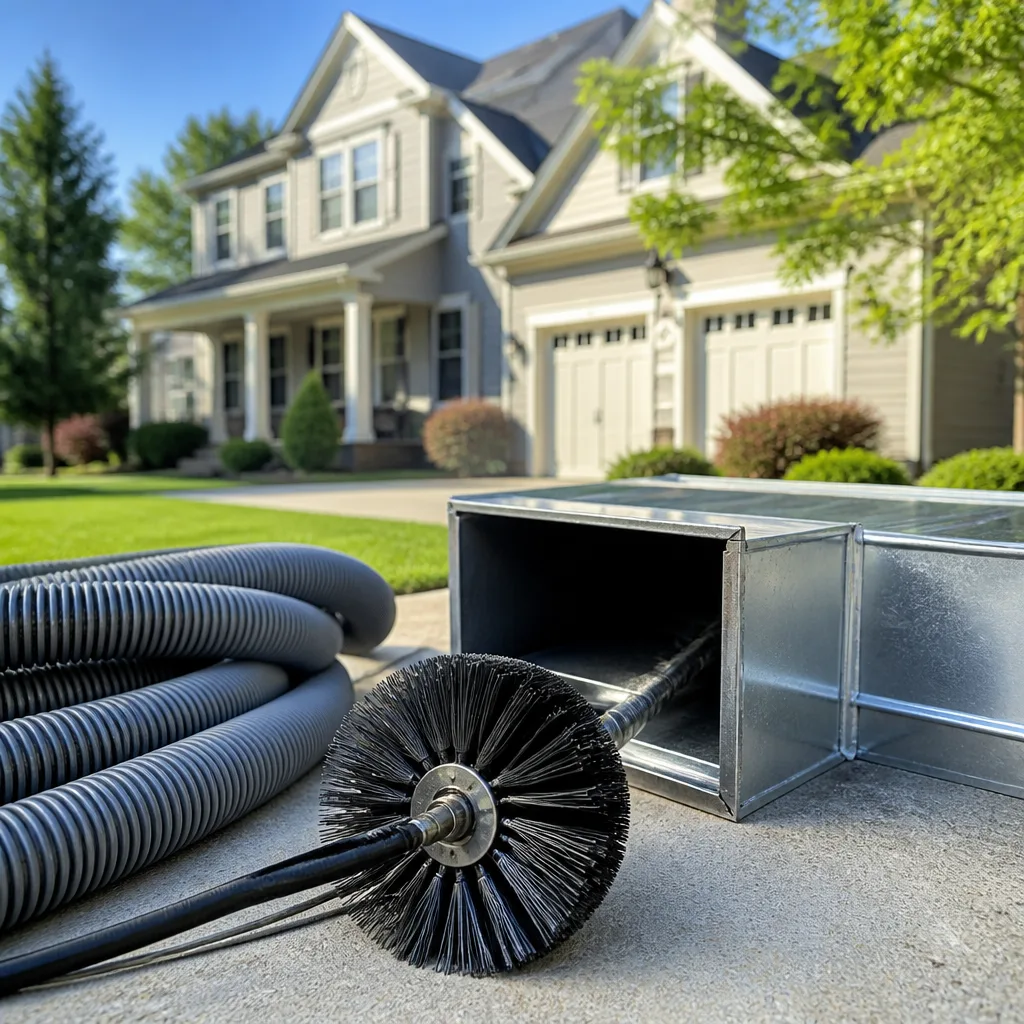 Whole-home duct cleaning
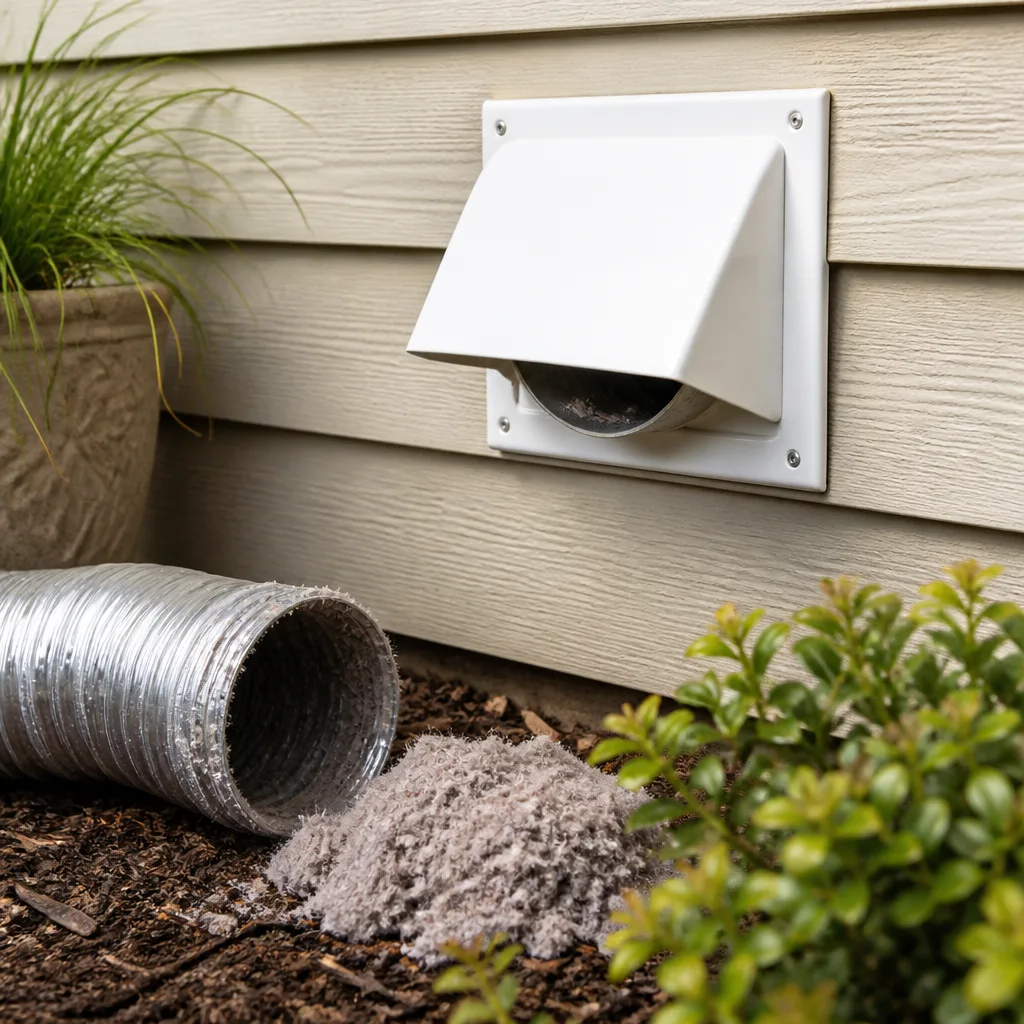 Dryer vent cleaning
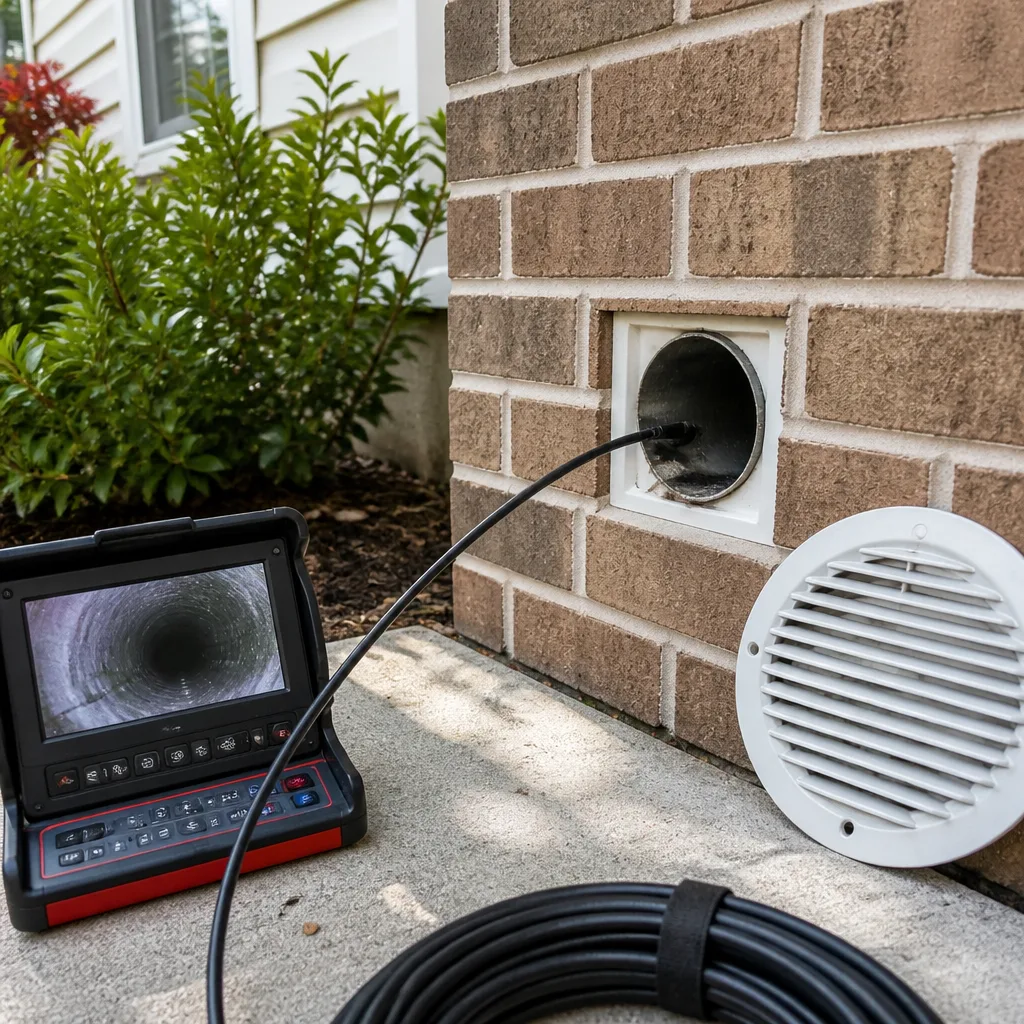 Camera inspection
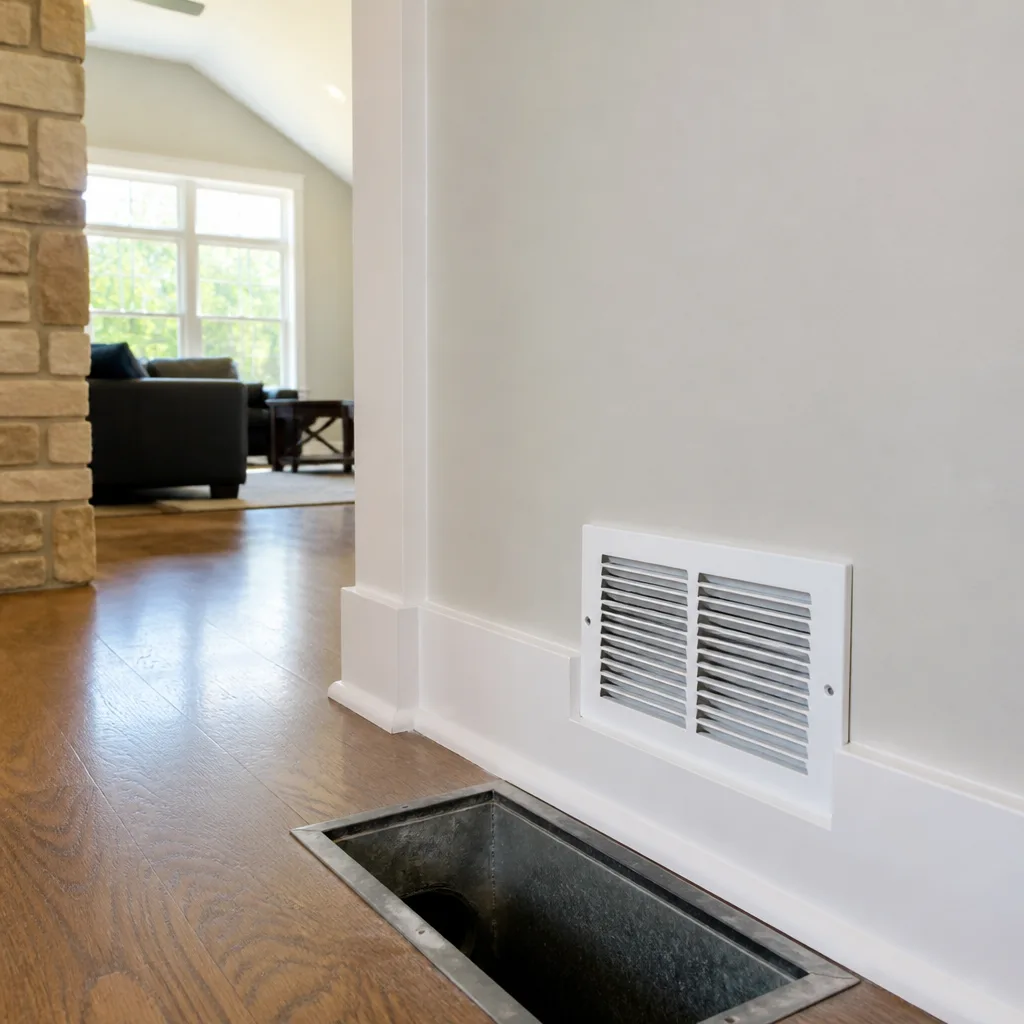 Sanitizing & deodorizing
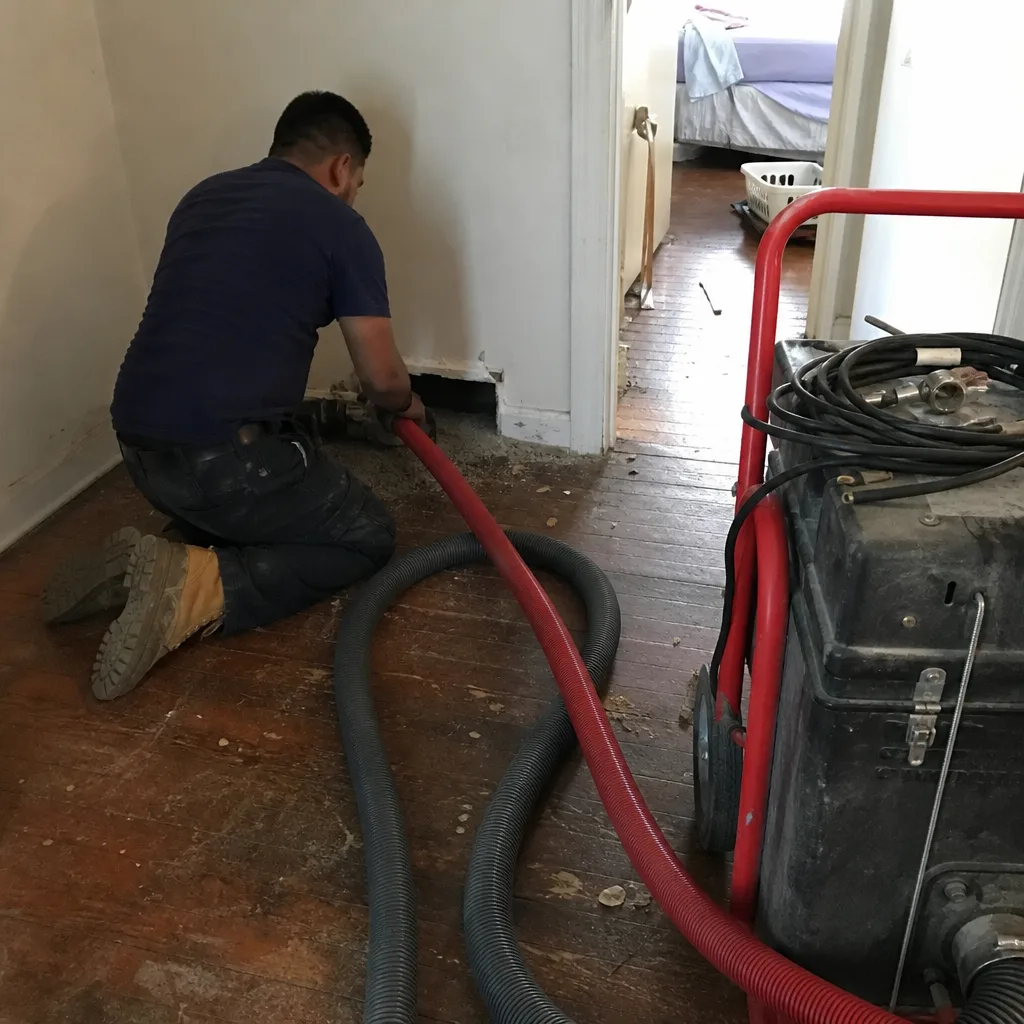
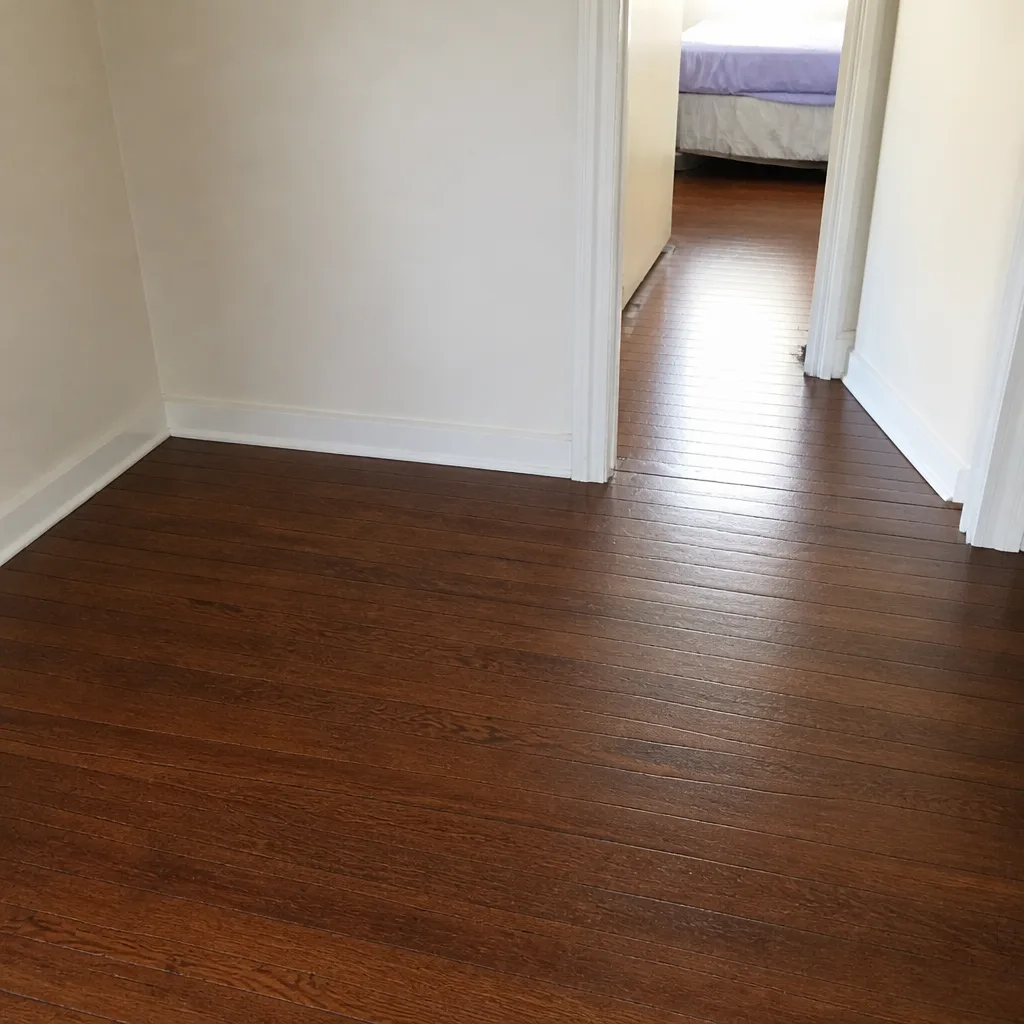
Whole-system duct and dryer vent check with before-and-after photos - you see exactly what came out of your vents
That "$99 whole-house special" is a bait ad - the real number appears once they are in your hallway, or the "clean" is a shop-vac at the register. We photograph the inside of your ducts before and after instead.
How to Hire an Air Duct Cleaning Contractor in East New York: A Step-by-Step Guide
Most people shop for duct cleaning the way they shop for a haircut: find a low price, book it, hope for the best. That approach falls apart fast in East New York, because the local market is stacked with operators running residential shop vacs against duct systems that were designed for commercial-scale airflow. A three-family house on a block off New Lots Avenue and a mid-rise co-op near Broadway Junction don’t need the same equipment, and the crew that treats them identically is telling you something. This guide walks through the technical screening questions, the quote red flags, the equipment signals, and the contract language that separate a real IAQ contractor from a convincing pitch – so you can book with confidence before anyone sets foot in your building.
Quick Answer
To hire an air duct cleaning contractor in East New York, verify four things before you book: the equipment they run (professional negative-pressure systems like Rotobrush or Nikro, not consumer vacuums), whether they’re trained in asbestos-safe handling for pre-1980 duct insulation, whether the quote is scoped per system rather than per vent, and whether the contract itemizes access points, linear footage, and before/after documentation. In New York State there’s no dedicated duct cleaning license, so these screening questions do the job the state doesn’t.
Styles & brands we work with
- Whole-home duct cleaning
- Dryer vent cleaning
- Camera inspection
- Sanitizing & deodorizing
Table of Contents
- Why East New York Duct Cleaning Has No Licensing Safety Net
- The Five Questions That Separate Real Contractors From Sales Pitches
- How to Read Equipment: Rotobrush, Nikro, and the Shop-Vac Problem
- Red Flags in the Quote Process
- Insurance and Liability for East New York Rental Properties
- How to Read a Duct Cleaning Contract
- Asbestos and Pre-1980 Duct Insulation in East New York Housing
- What a Real Site Walkthrough Looks Like
Why East New York Duct Cleaning Has No Licensing Safety Net
New York State does not issue a dedicated license for air duct cleaning, and that single fact reshapes how you should hire. There’s no state database to check, no license number to verify, no continuing education requirement to fall back on. The barrier to entry is essentially a vacuum and a phone. In a neighborhood with the housing stock East New York has – a mix of early-1900s wood-frame houses, mid-century brick rowhouses, and larger multi-unit buildings – that lack of oversight matters more than it would in a market dominated by new construction.
What fills the gap is voluntary credentialing and equipment proof. The National Air Duct Cleaners Association (NADCA) offers certification for both firms and individual technicians, and while it isn’t required by law, asking for it tells you whether a contractor has invested in standardized training. NADCA also publishes industry standards for how duct cleaning should be performed, which gives you a benchmark to hold a contractor against when the work is underway.
The practical screening approach in East New York:
- Ask whether the firm holds NADCA certification and whether the technicians on your job are individually certified.
- Ask what negative-pressure equipment they’ll bring and how it’s sized for your duct system.
- Ask how they handle pre-1980 duct insulation, since asbestos-containing materials were common in the era when much of East New York’s housing was built.
- Ask for a certificate of insurance before booking.
- Ask for the written scope of work before you agree to a price.
None of these are exotic questions. A legitimate contractor answers them in a sentence. A contractor who gets defensive, vague, or starts explaining why certification “doesn’t really matter” is telling you exactly what you need to know. When you’re ready to compare a real scope against a pitch, our Air Duct Cleaning East New York team walks through the same five questions with every property.
The Five Questions That Separate Real Contractors From Sales Pitches
Five questions do most of the screening work. Ask them on the phone before you book, and listen to how quickly the answers come. A contractor who does this work regularly answers each of these without thinking.
1. What negative-pressure equipment do you use, and how is it sized for my system?
Negative pressure is what keeps dislodged debris from blowing back into your living space during cleaning. Consumer-grade machines can’t hold it against a whole-house system, and they certainly can’t hold it against a multi-unit building’s trunk lines. Professional crews run truck-mounted or high-capacity portable units and add HEPA filtration at the register openings. Ask for the model. If the answer is vague, the equipment is probably weak.
2. Are you NADCA certified?
Not a legal requirement, but a real signal of standardized training. NADCA certification means the firm has committed to a published standard of care. Ask whether the firm is certified and whether the technicians doing your job are individually certified.
3. How do you handle asbestos-containing duct insulation in pre-1980 buildings?
This is the question that separates East New York contractors from generic ones. Duct wrap and insulation installed before the 1980s can contain asbestos, and disturbing it during cleaning turns a routine job into a serious health hazard. A contractor who does pre-1980 work in East New York should either test first or refer you to a licensed asbestos abatement firm before touching the ducts. Anyone who waves this off is disqualifying themselves.
4. Is your quote per system or per vent?
Per-vent pricing rewards cutting corners. If a contractor charges by the vent, they have every incentive to clean the easy registers and skip the trunk lines – the dirty, hard-to-reach, bigger-airflow parts that actually matter. A per-system quote forces them to scope the whole job.
5. What does “sanitizing” actually involve?
This one catches a lot of people. Some contractors use “sanitize” to mean fogging the system with an aerosol can. Real sanitizing treats biological contaminants with protocols designed for indoor air quality work. Ask what product they use, what application method, and whether the protocol follows a remediation standard. If the answer is “we spray something in,” ask more questions.
Every one of these questions has a correct answer, and every one of them is answerable in a single sentence by someone who actually does the work.
How to Read Equipment: Rotobrush, Nikro, and the Shop-Vac Problem
Equipment is the single strongest signal of contractor quality, and it’s also the easiest thing to misrepresent over the phone. Here’s how to tell them apart when someone arrives at your door.
Your duct system is only as clean as the method used to clean it. A consumer shop vac pulls around 150-200 cubic feet per minute of airflow and holds a small debris bag. It’s designed for a two-car garage floor, not a residential duct network with branch runs, returns, and a plenum. Show up with one of those and you’ve already told the customer you’re not prepared for the job.
Professional-grade equipment looks different. Rotobrush systems are built specifically for contact cleaning of duct interiors – rotary brush heads connected to high-efficiency HEPA extraction, designed to scrub interior surfaces and capture debris in a sealed system. Nikro systems are another professional-standard option used by HVAC contractors and restoration professionals, built for high-efficiency particulate extraction in air quality and remediation contexts. When a contractor names one of these systems and can explain how they’ll size it for your home, that’s a real signal.
What the equipment tells you, in plain terms:
- Rotobrush or Nikro named and demonstrated: The contractor has invested in professional systems with sealed extraction and dust capture. Real capability.
- Vague “professional equipment” language: Might be real, might be a shop vac in a trailer. Ask for the model before booking.
- Consumer vacuum on site: The job will not be done to standard. Stop before work begins.
- HEPA filtration at registers: Debris stays contained. Essential in occupied homes and multi-unit buildings.
Our crews run Rotobrush and Nikro systems and can walk you through what we’ll bring before we arrive. This is also why we advocate air duct cleaning done in a single complete engagement – clean, sealed, sanitized – rather than piecemeal visits that leave the system half-treated.
Red Flags in the Quote Process
Most bad duct cleaning stories start with a quote, not with the work. The pitch is cheap, the scope is vague, and by the time the invoice lands the number has tripled with line items for “sanitizing,” “sealing,” and “mold treatment” that were never discussed. Here are the specific warning signs to watch for.
- Per-vent pricing. A quote that itemizes each vent incentivizes skipping the trunk lines. You’ll get 15 clean registers and a still-dirty main duct that continues blowing debris into your home.
- No site walkthrough before quoting. A real quote requires seeing the system – the number of returns, the square footage of ductwork, the accessibility, and the condition. A phone quote is a guess presented as a price.
- Vague sanitizing language. “We’ll sanitize everything” without naming the product or application method usually means an aerosol fog that does very little.
- Coupon-anchored pricing. The “whole house for $99” pitch almost never results in a whole-house cleaning. Ask what’s actually included and get it in writing.
- Pressure to book the same day. Real contractors book out. Urgency is a sales tactic.
- No before/after documentation offered. If they can’t show you what your ducts looked like before and after, you have no way to verify the work was done.
- No certificate of insurance before work. Liability in East New York rental properties is real. See the insurance section below.
The cleanest counter to all of this is one flat price for the whole system, agreed in writing before work starts. That’s what our team does, and it’s the standard we’d hold any contractor to.
Insurance and Liability for East New York Rental Properties
Air duct work in East New York frequently crosses unit boundaries. A two- or three-family house has a shared trunk line; a mid-rise co-op or rental building has a central system serving multiple apartments. The moment duct work crosses into shared infrastructure, the liability picture changes, and the contractor you hire needs to understand it.
What to ask before booking, especially for rental properties and multi-unit buildings:
- Current certificate of insurance – general liability and workers’ compensation. Ask for the certificate directly from the insurer or agent, not just a PDF from the contractor.
- Coverage amount appropriate to the building – a two-family or small multi-unit property needs a policy sized to the potential damage. Ask for the limits in writing.
- Who is the named insured – the contractor, not a subcontractor. If they subcontract the work, ask for the sub’s certificate too.
- How they’ll handle access to occupied units – in multi-unit buildings, coordinating entry and protecting tenant belongings is part of the job, and the contract should say so.
- Whether they’ll document the pre-existing condition – photos of duct interiors before work protect both parties if a pre-existing damage claim arises.
Property managers should also consider scheduling duct work and dryer vent cleaning in the same visit for multi-unit buildings. Dryer vents run through shared walls in many East New York buildings and are one of the leading causes of residential fires according to the NFPA – a safety-critical service that’s worth coordinating with duct cleaning instead of treating as an afterthought.
How to Read a Duct Cleaning Contract
A duct cleaning contract should read like a scope of work, not a receipt. If it’s short, vague, or missing line items, that’s the warning. Here’s what belongs in it.
What should be itemized:
- Access points opened and re-sealed – which registers, which plenum, which returns. And the method used to re-seal each one.
- Linear footage cleaned – not “the whole system,” but the number of feet the crew is scoped to clean.
- Equipment to be used – the specific negative-pressure system and any HEPA filtration.
- Before/after documentation method – photos, video, or both. Specify that you’ll receive copies.
- Sanitizing product and method – if it’s in scope, the contract names the product and application protocol.
- Repair and sealing scope – if the contractor will also address damaged duct seals, that scope gets its own line.
- Final price, stated as a flat per-system figure – agreed before work starts, with the written estimate setting the final number.
What should not be in it:
- Language like “as needed” applied to the cleaning scope.
- Any clause allowing additional charges after work has begun without your written approval.
- Sanitizing listed as an add-on without a described protocol.
- Missing signatures – the contract needs to be signed by both parties.
Our team structures every HVAC cleaning scope this way because the itemization isn’t bureaucracy – it’s what lets you verify the work was actually done. Duct repair and sealing capability helps here: a single provider can diagnose a duct problem, clean the system, and fix the damaged seals in one engagement instead of leaving you to coordinate three trades. We also integrate with installed air quality equipment from brands like Honeywell and Aprilaire, so any existing filtration or humidity control on your system gets handled correctly during the job.
Asbestos and Pre-1980 Duct Insulation in East New York Housing
A large share of East New York’s housing stock was built before 1980, and duct insulation from that era can contain asbestos. The material was used in duct wrap, pipe insulation, and sometimes in the duct sealant itself. During cleaning, any abrasion or airflow disturbance can release fibers into the air. This is not a hypothetical concern, and it’s the single most important local screening question.
What a legitimate contractor does when they encounter pre-1980 duct insulation:
- Tests a sample before work begins, or refers the property owner to a licensed asbestos testing firm.
- If the material is intact and tested negative, proceeds with cleaning using sealed extraction to avoid disturbing the insulation.
- If the material is friable or tests positive, stops and refers the property to a licensed asbestos abatement contractor before duct cleaning proceeds.
- Documents the testing and the referral in writing.
What a legitimate contractor never does is run a brush through pre-1980 duct wrap without a conversation about asbestos. Anyone who claims it “doesn’t come up” in East New York is either not paying attention or not being straight with you. The good news: a proper inspection before cleaning is not a big deal, and it protects everyone – you, the crew, and any tenants in the building.
Our technicians have up to 13 years of experience, and that experience has taught us that the asbestos conversation isn’t optional in this part of Brooklyn. Ask the question, and don’t book a contractor who dodges it.
What a Real Site Walkthrough Looks Like
A site walkthrough is where a real quote gets built. It takes under an hour in a typical East New York single-family home and longer in a multi-unit building, and it’s the difference between an estimate and a guess.
What to expect during a walkthrough:
- Counting registers, returns, and trunk lines. The scope is built from what’s visible, not the square footage on Zillow.
- Checking accessibility. Where the crew can physically reach matters. Tight attics and basement mechanical rooms in older East New York houses require more setup than a modern open ceiling.
- Looking at the duct material and insulation. This is where the asbestos conversation happens.
- Inspecting the air handler and plenum. Ducts are one part; the air handler is another. HVAC cleaning scope usually includes it.
- Looking at duct seals and joints. Damaged seals leak air and pull contaminants in. Repair and sealing is often where duct issues actually originate.
- Assessing air quality equipment already installed. If there’s a Honeywell or Aprilaire system on the equipment, it gets checked before any cleaning begins.
- Documenting the pre-existing condition. Photos of the duct interiors on arrival are both your protection and the contractor’s.
When the walkthrough is done, the contractor gives you a flat per-system price and a written scope. Anything less and you haven’t been quoted – you’ve been sold.
Common Mistakes to Avoid
- Booking on price alone. The cheapest quote in East New York is almost always the quote that leaves the trunk lines dirty. Equipment quality is the correct anchor, not sticker price.
- Accepting a per-vent quote. Per-vent pricing rewards cleaning the easy registers and skipping the hard-to-reach trunk lines that feed your whole home. Ask for a per-system figure instead.
- Not asking about asbestos in a pre-1980 building. East New York has too much pre-1980 housing to skip this conversation. If the contractor doesn’t raise it, raise it yourself.
- Skipping the insurance certificate for rental property work. In multi-unit buildings, one damaged duct cross-connection can turn into a several-party claim. Get the certificate in writing before work starts.
- Booking without a site walkthrough. Phone quotes are guesswork. The scope should be built from what a technician actually sees.
- Not asking for before/after photos. Without documentation, you have no way to know whether the work was completed. It’s part of the contract, not a favor.
- Treating dryer vent cleaning as an upsell. In East New York multi-unit buildings, shared dryer vents are a real fire-risk item cited by the NFPA. Make it a scheduled service, not an afterthought.
See the difference
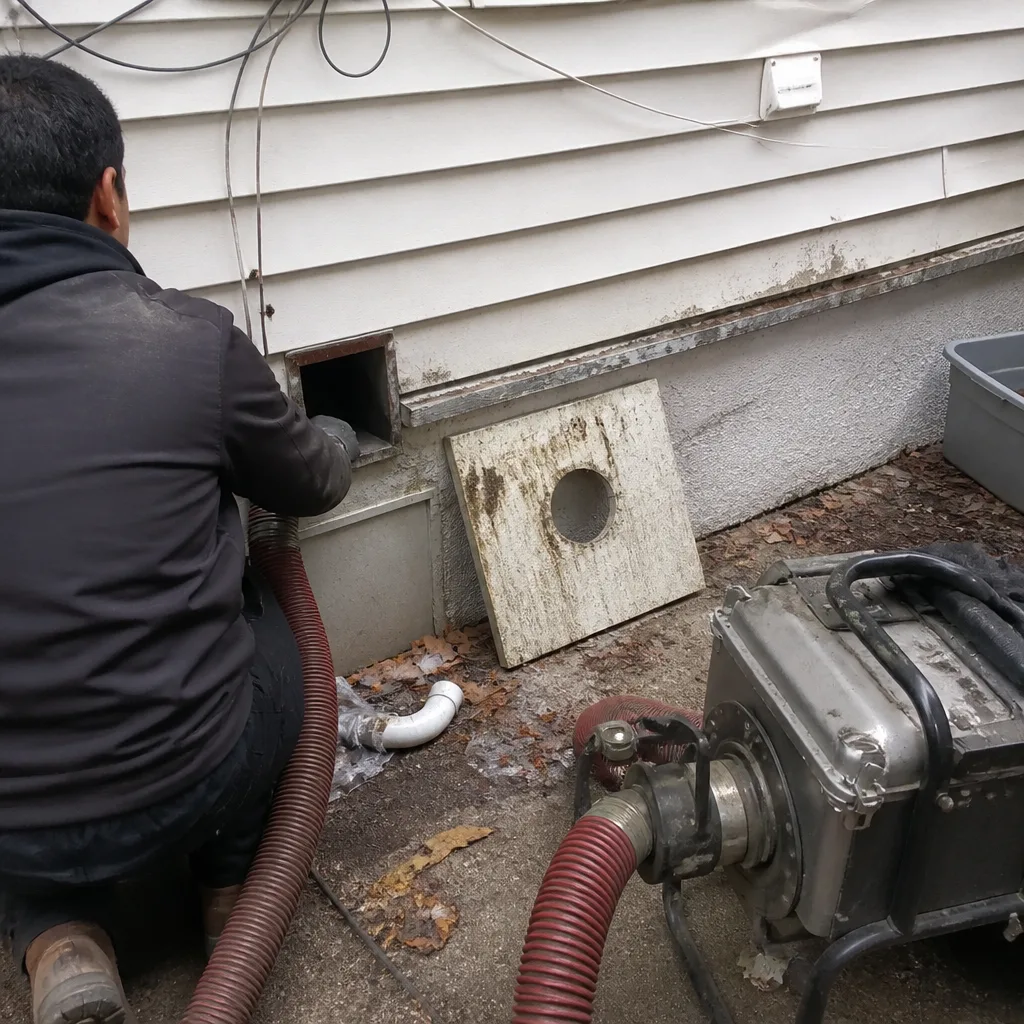 Before
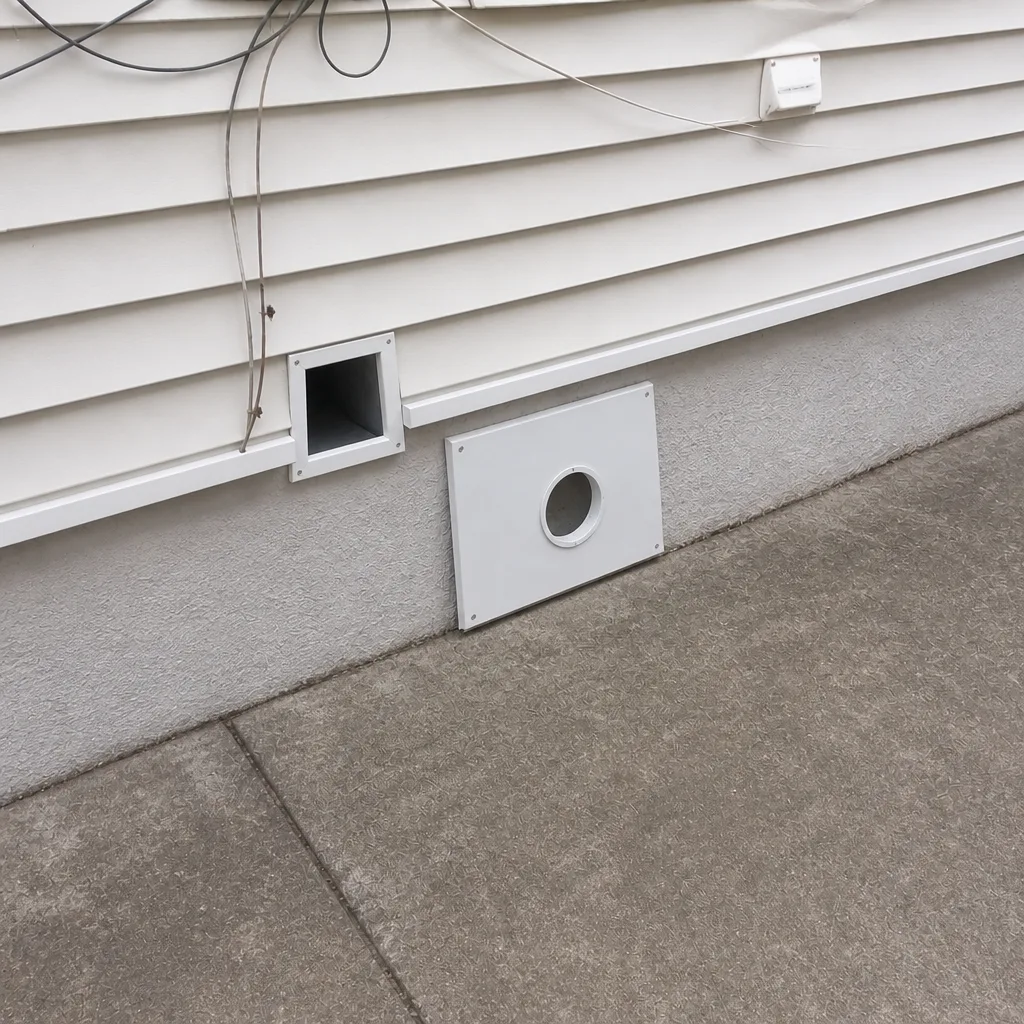 After
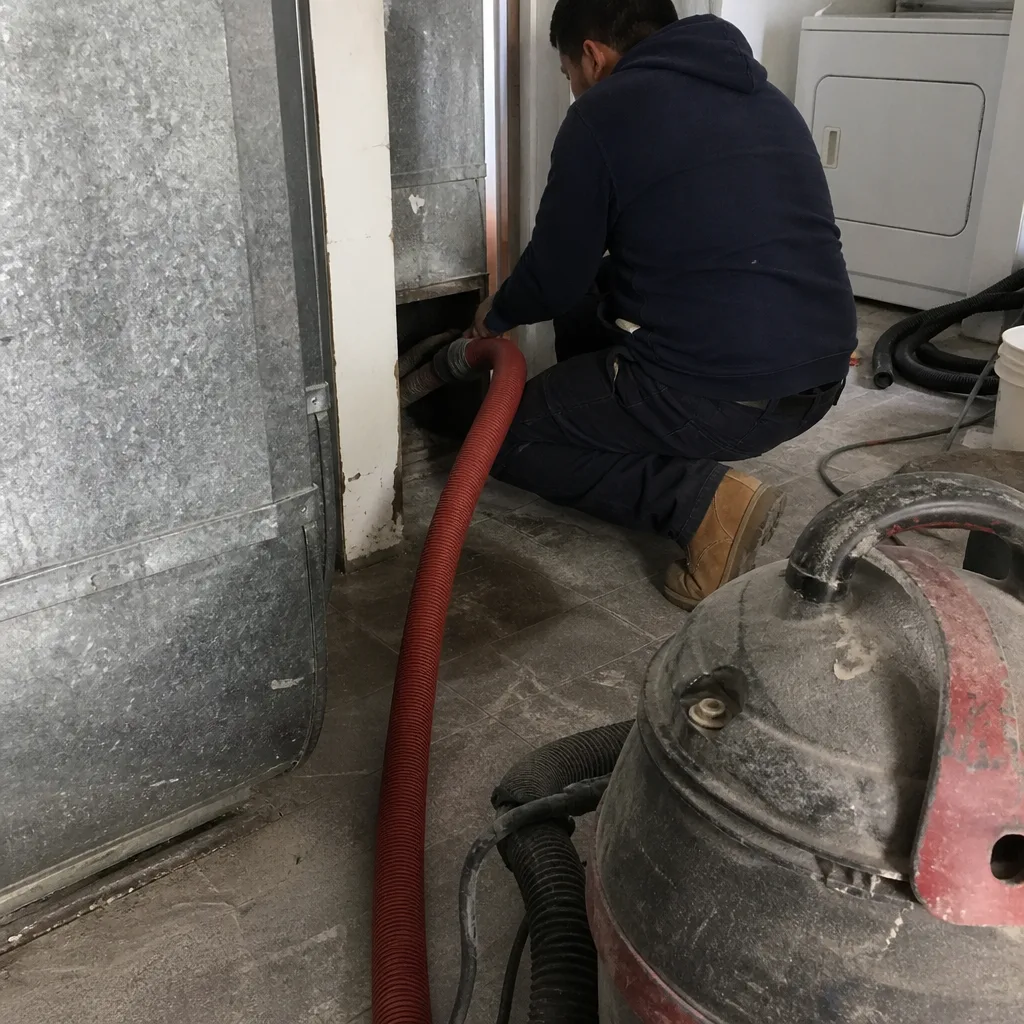 Before
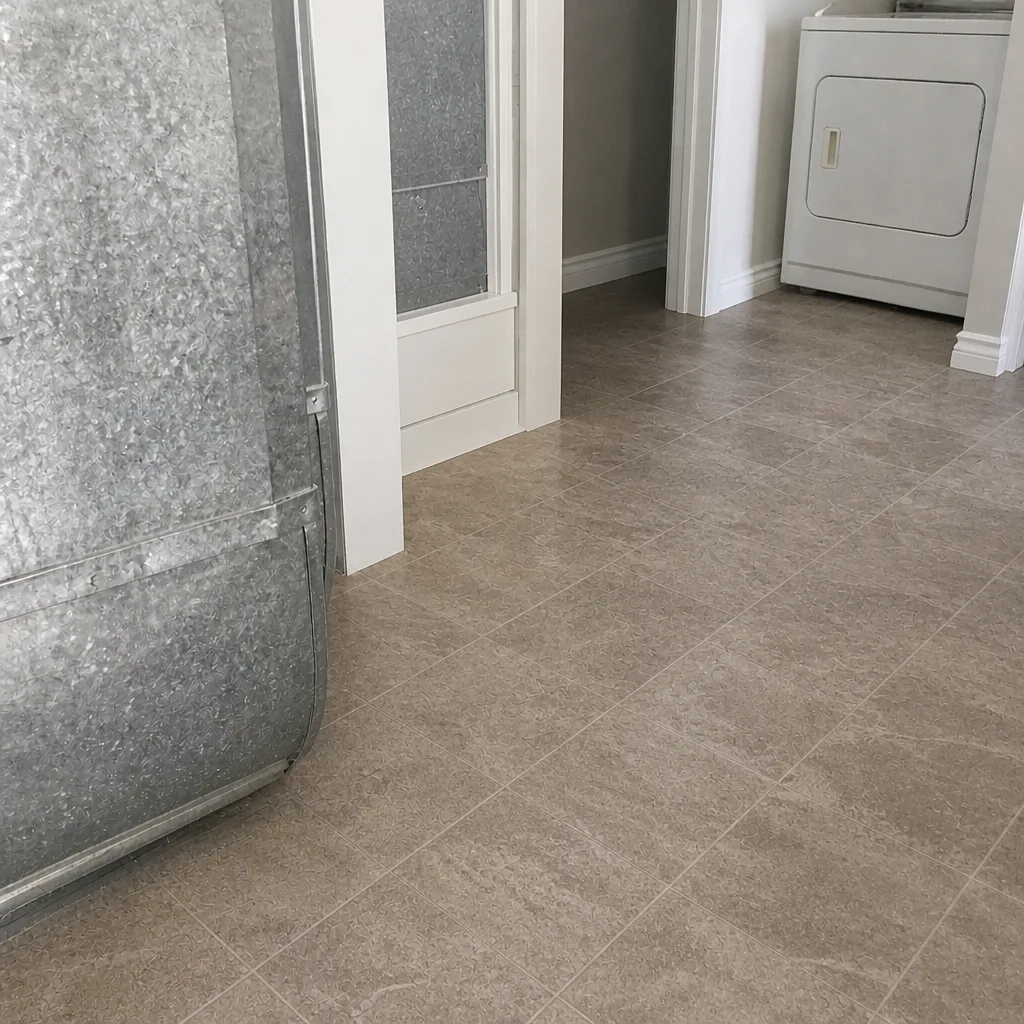 After
 Before
 After
When to Call a Professional
You don’t need a contractor for every sneeze. You do need one when the signs point to a real issue: visible dust puffing from registers when the system starts, musty odors that persist after routine filter changes, an unexplained rise in energy bills, a recent renovation or pest issue that may have pushed debris into the ducts, or a dryer that’s taking noticeably longer to dry clothes. In multi-unit East New York buildings, add a recent duct seal failure or an HVAC repair that opened the system to those triggers. And any pre-1980 property that hasn’t had its duct insulation assessed deserves a professional walkthrough before any cleaning is scheduled. Air Duct Cleaning East New York offers free estimates in East New York – call (833) 362-3254. We answer 24/7. Fast dispatch from 7am to 7pm, Sunday through Friday.
Frequently Asked Questions
There’s no flat universal number – pricing depends on the number of systems, linear footage of ductwork, accessibility, and whether repair, sealing, or sanitizing is in scope. What matters more than the headline number is that the quote is a flat per-system price agreed in writing before work starts, with the written estimate setting the final price. Call (833) 362-3254 for an exact quote – estimates are free.
Because they’re quoting a different job. Cheap quotes usually mean per-vent pricing that skips the trunk lines, consumer-grade equipment in place of professional extraction, no sanitizing protocol, and no before/after documentation. The equipment difference alone accounts for most of the price gap. A Rotobrush or Nikro system costs a contractor real money; a shop vac doesn’t. Call (833) 362-3254 – we’ll walk you through what’s in a real scope line by line.
You look at the before and after. A legitimate contractor photographs or videos the duct interiors on arrival and again after cleaning, and hands you copies. The contract should specify this. Without documentation, you’re taking someone’s word – and in a market with no licensing requirement, documentation is the only proof that holds up. Call (833) 362-3254 for a scoped estimate with before/after documentation built in.
No. New York State doesn’t require periodic duct cleaning, and there’s no state license specifically for duct cleaning work. What regulations do cover are adjacent areas – asbestos handling in pre-1980 buildings, for example – and any contractor working in East New York pre-1980 housing should know those rules and refer properly when asbestos is suspected. Call (833) 362-3254 with questions about your building’s specific situation.
There’s no fixed interval that applies to every home. Most guidance suggests cleaning when there’s a reason – visible dust, musty odors, recent renovation, pest activity, or a system that’s never been cleaned. Homes with pets, smokers, or occupants with respiratory concerns often need it sooner than others. A walkthrough will tell you whether your ducts actually need attention or are in reasonable shape. Call (833) 362-3254 for a free assessment.
Real sanitizing treats biological contaminants with protocols designed for indoor air quality work – not a quick aerosol spray. It should name the product used, the application method, and the standard the protocol follows. If a contractor can’t describe any of those three, ask them to clarify before you book. Call (833) 362-3254 to talk through what a sanitizing scope involves for your building.
The Bottom Line
Hiring an air duct cleaning contractor in East New York comes down to asking five questions and listening to the answers. No state license protects you – equipment proof, NADCA certification, asbestos awareness, per-system pricing, and before/after documentation do the job the state doesn’t. Add insurance verification and a properly itemized contract, and you’ve built a screening process that eliminates the low-bid operators before they ever knock on the door. Get a walkthrough, get a flat per-system price in writing, and don’t book anyone who can’t put their scope on paper.
Air Duct Cleaning East New York offers free estimates across East New York. Our technicians run Rotobrush and Nikro systems, follow Abatement Technologies protocols for air quality sanitizing, and integrate with Honeywell and Aprilaire equipment. Call (833) 362-3254. We answer 24/7. Fast dispatch from 7am to 7pm, Sunday through Friday. The local pro is licensed and insured as their state requires.
Written by the team at Air Duct Cleaning East New York.