
Last updated November 22, 2026
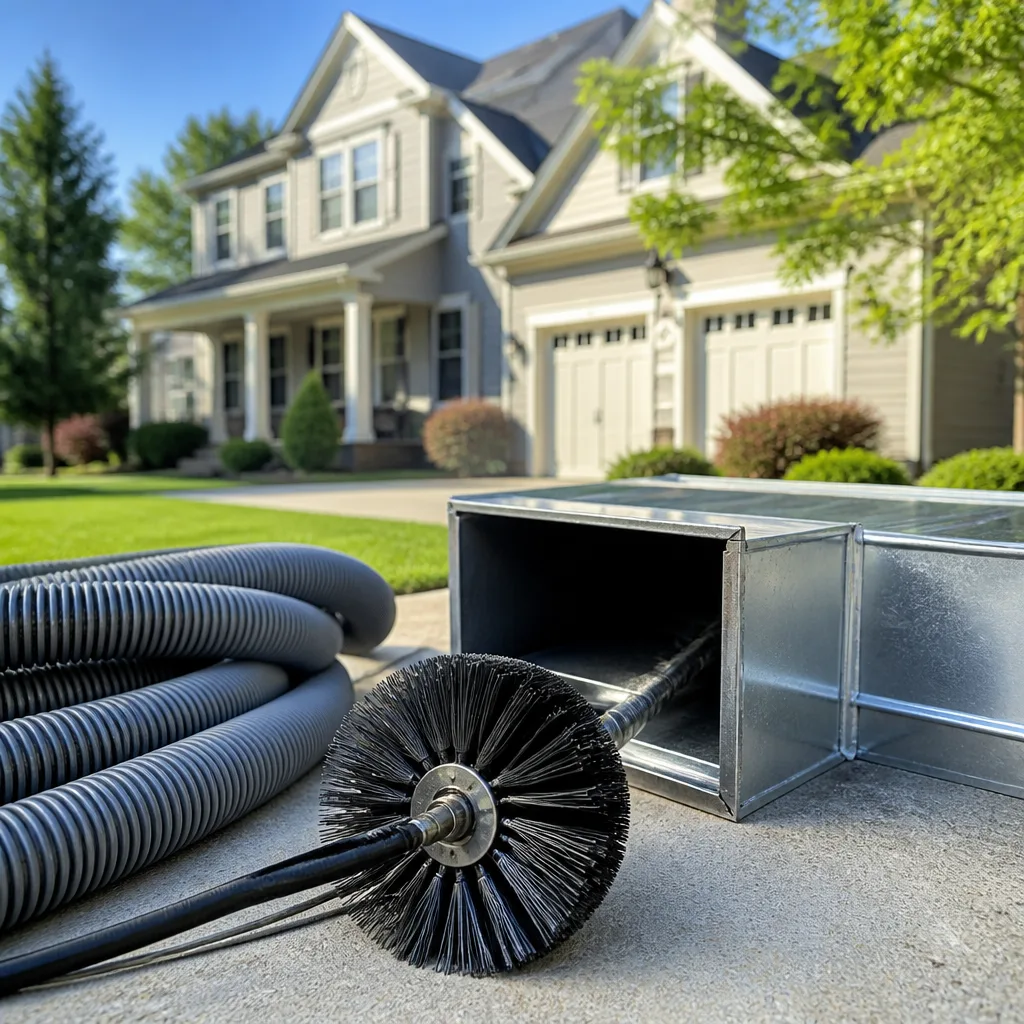 Whole-home duct cleaning
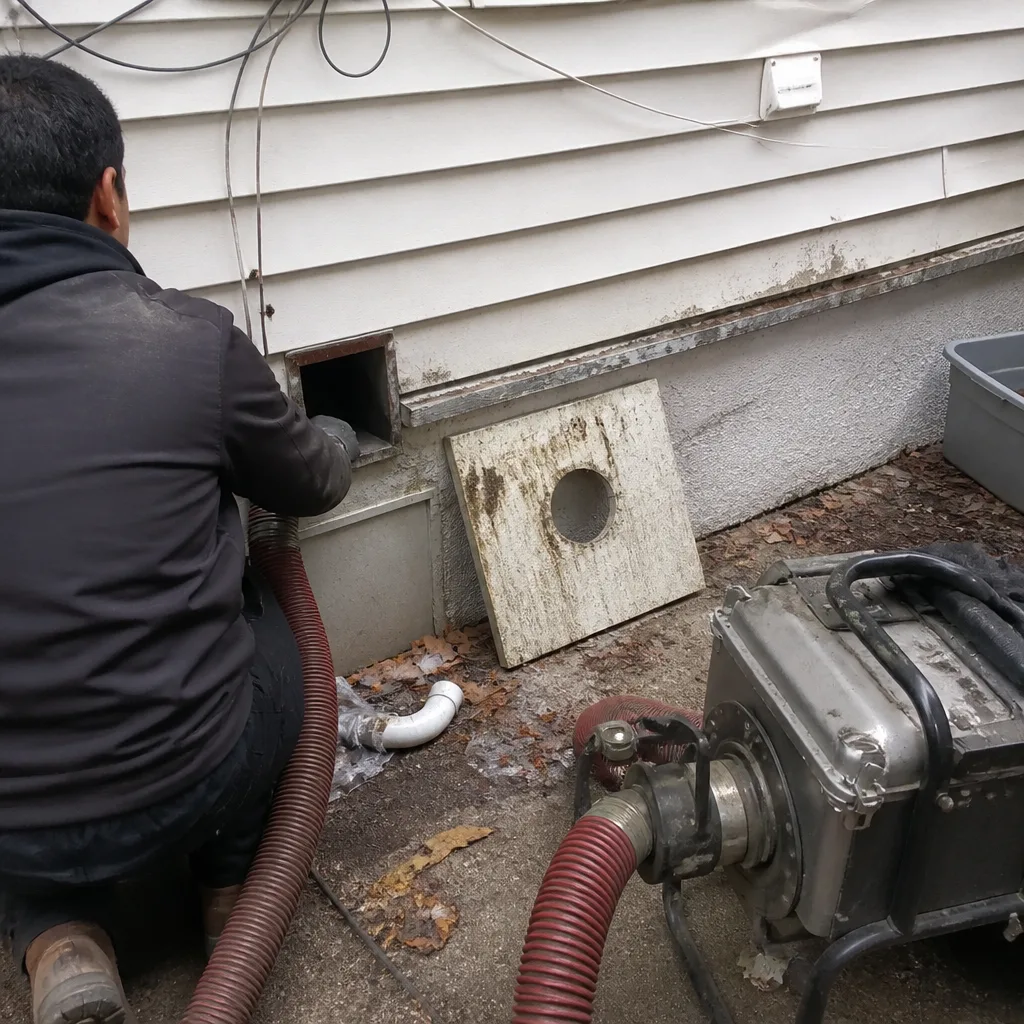
 Dryer vent cleaning
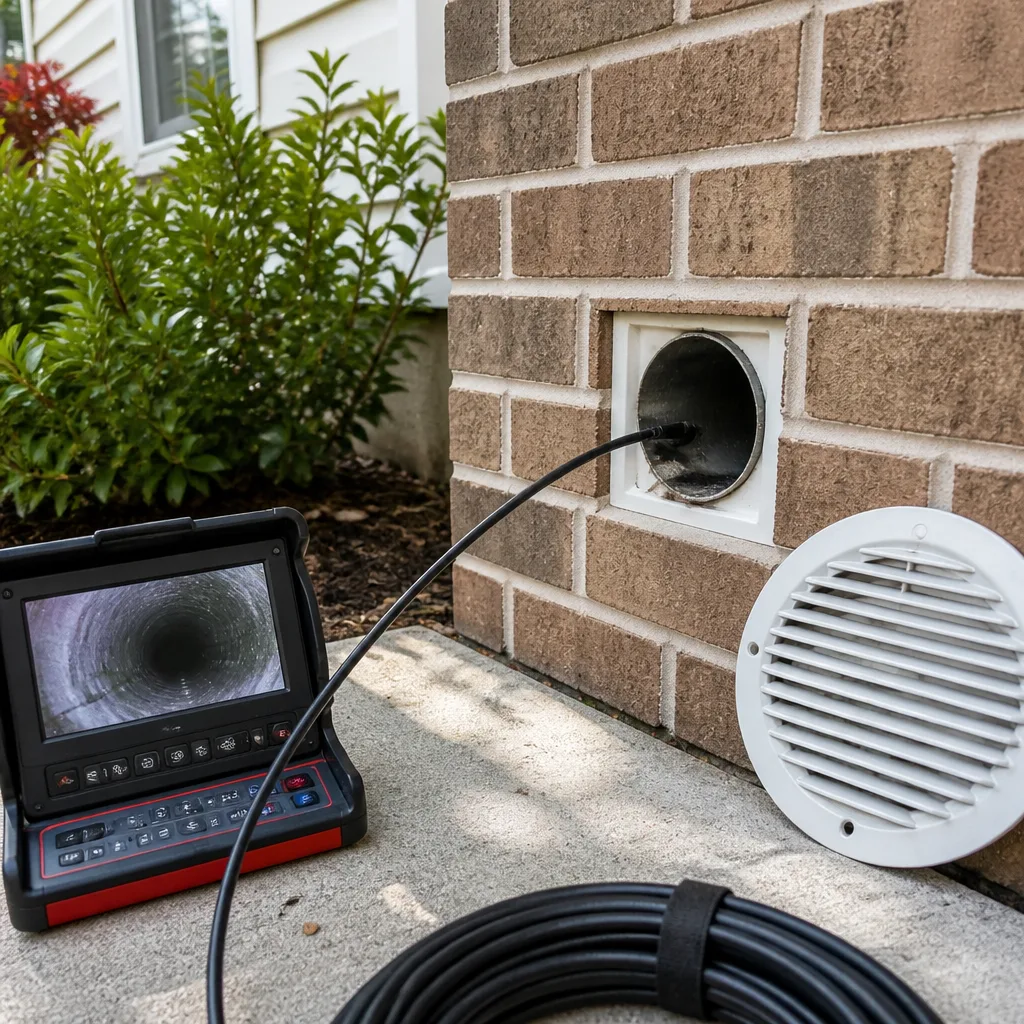 Camera inspection
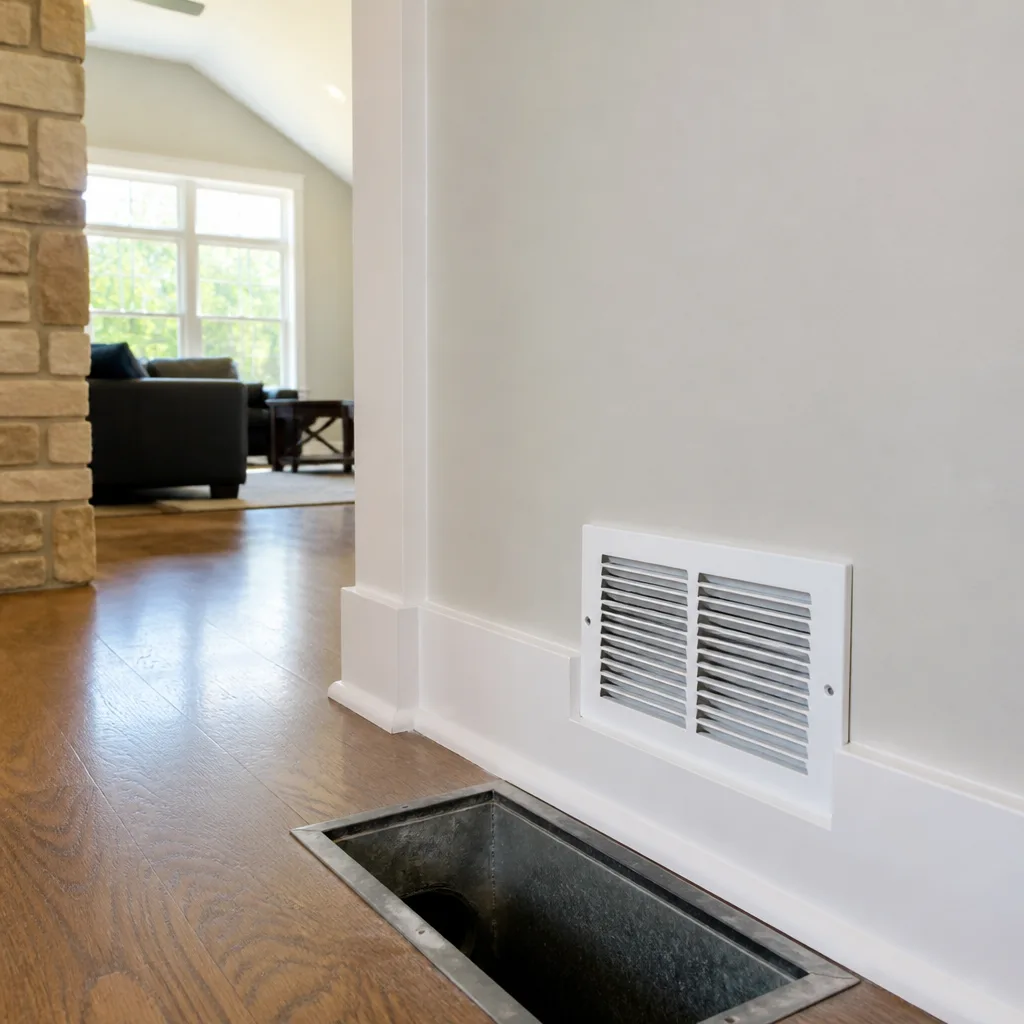 Sanitizing & deodorizing
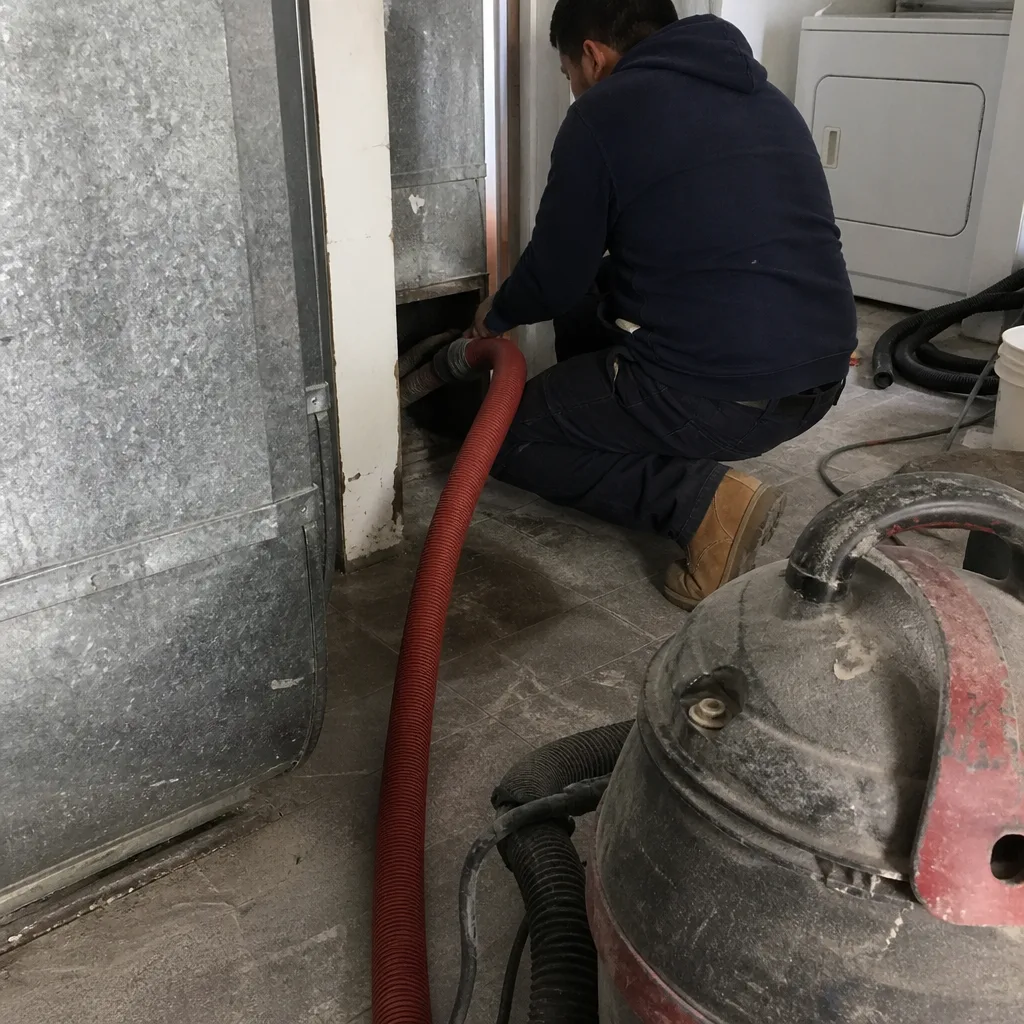
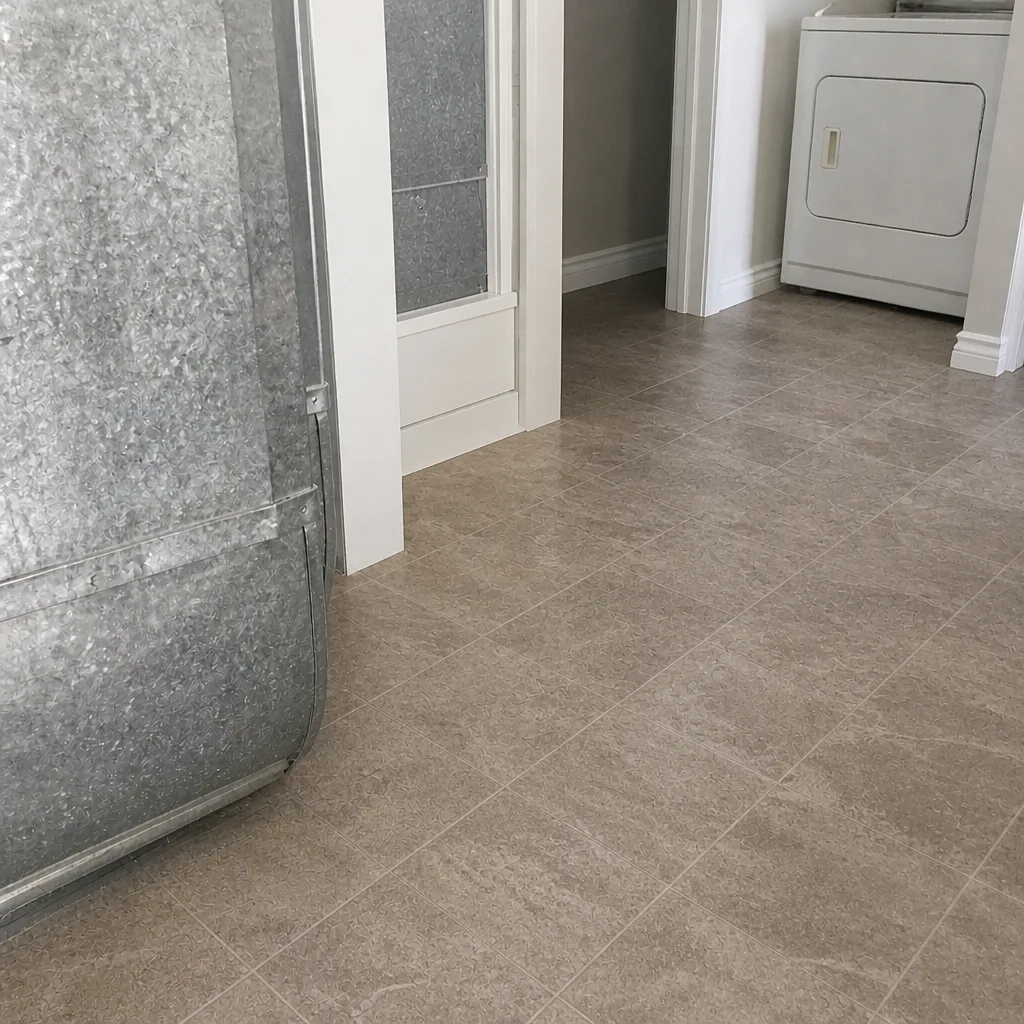
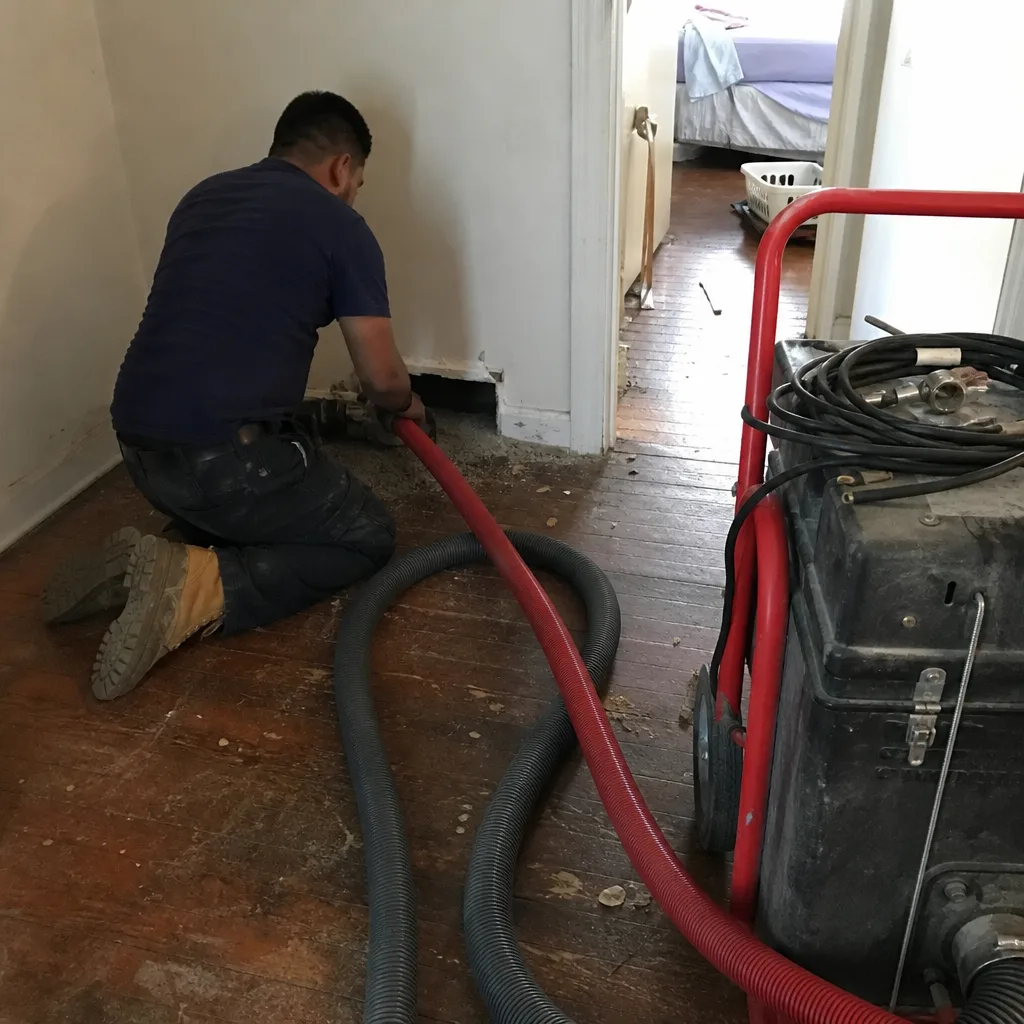
Whole-system duct and dryer vent check with before-and-after photos - you see exactly what came out of your vents
That "$99 whole-house special" is a bait ad - the real number appears once they are in your hallway, or the "clean" is a shop-vac at the register. We photograph the inside of your ducts before and after instead.
Air Duct Cleaning Warning Signs: An East New York Homeowner’s Reference Guide
Dust on your furniture two days after you cleaned it isn’t a housekeeping problem. It’s your supply registers redistributing particulate through the air, and the distinction matters because one requires a Swiffer while the other requires negative-pressure extraction with professional-grade equipment. The same logic separates a musty smell you can mask with a candle from mold colonization inside flex duct that has to be removed, cleaned, and sealed. Most of the warning signs homeowners in East New York misread fall into one of those two categories: a nuisance symptom on the surface, or a structural contamination problem underneath. This guide walks through the actual signals a duct system gives off, what each one usually points to, and how to tell which is which before you spend anything.
Quick Answer
The main warning signs of a genuine duct problem are visible dust streaking around supply registers, musty or burning smells at HVAC startup, uneven room temperatures that persist after balancing, allergic symptoms that track with the furnace or AC running, and deteriorating or pest-damaged interior duct liner in older housing stock. Surface dust and a one-time smell are usually nuisance-level; streaks at the register, symptoms that correlate to HVAC operation, and visible liner breakdown point to deep contamination that needs professional inspection. If you’re seeing two or more of these together, it’s time to get the system looked at.
Table of Contents
- Visual Signs at the Register vs. Air Quality Signs
- What Musty and Burning Smells Actually Mean
- Weak Airflow and Uneven Rooms: Dirty System or Breached Duct?
- Health Pattern Signals: When Symptoms Track HVAC Hours
- East New York’s Older Housing Stock and Its Specific Risks
- Rodent Activity Inside Duct Runs
- A Room-by-Room Checklist You Can Do Yourself
- Why Equipment Quality Changes What You’ll Find
Visual Signs at the Register vs. Air Quality Signs
The first thing to sort out is whether what you’re looking at is the duct system or the air being pushed through it. They look similar, and they need different answers. Surface dust settles everywhere and comes back gradually. Duct contamination blows out of the register under pressure and shows up as streaking, black bands, or a fresh coat of fine grey dust on nearby surfaces that reappears within days of cleaning. That distinction is the core of the whole guide.
What surface-level debris looks like
- An even haze of dust on horizontal surfaces that takes a week or two to accumulate
- Dust on the register face itself but clean metal behind the grille
- More dust in rooms with more foot traffic, less in rooms that sit unused
- No streaking pattern radiating from the register onto the ceiling or wall
What deep duct contamination looks like
- Dark streaks on the wall or ceiling extending outward from the register diffuser
- Visible dust on the diffuser fins and inside the first few inches of the boot behind the grille
- A fine grey film that returns within two to three days of a full cleaning of the room
- Visible debris, lint, or dark material at the return air grille, especially where the filter seats
- Discoloration on flex duct visible at the plenum or through a register with the diffuser removed
What we look for first when we arrive at an East New York home is the return side. A clean supply with a heavily loaded return is common in this housing stock because the return pulls from a hallway and collects everything the household sheds. If the return boot shows caked lint and debris, the supply side has been pushing that load back out into the rooms for a long time. That’s a system condition, not a surface condition. The Air Duct Cleaning East New York service page covers what a full remediation involves when you’re ready to move past the checklist stage.
What Musty and Burning Smells Actually Mean
A musty smell at HVAC startup usually means one of three things: mold colonization in the duct, dust burning off a heat exchanger in the first minute of operation, or an issue on the refrigerant side of the system. Those need different responses, and they are ranked here from most common in East New York housing to least. Triage the smell before you book anything, because a refrigerant problem won’t be solved by cleaning ductwork any more than cleaning ductwork will be solved by a repair tech charging a line.
How to tell them apart
- Musty, earthy, or “old basement” smell that lingers past the first few minutes: This is the signature of mold or biological growth in the duct, most often in the flex sections where moisture collects. It tends to be strongest in the first conditioned air of the season and gets worse with humidity.
- Burning or hot-dust smell that fades within a few minutes of startup: Typically dust settled on the heat exchanger burning off. If it repeats every startup after the system has been idle, that’s a sign the return is pulling dust in faster than the exchanger can stay clean.
- Chemical or sweet smell, or a smell that tracks with refrigerant cycling: Not a duct problem. Have an HVAC technician check the system before considering cleaning.
- Sewer or drain smell: Usually a dry trap or a plumbing vent issue, not ductwork. Check before you assume.
Our approach to a musty smell is inspection first, then a treatment plan. Abatement Technologies protocols are what we use for air quality sanitizing because they’re built for remediation work rather than surface cleaning, and they let us treat the biological load rather than just the visible debris. That matters because a duct that has been cleaned but not treated will grow the same mold back the moment the moisture conditions return. If the smell is musty and persistent, treat it as a symptom worth investigating, not a scented-candle problem.
Weak Airflow and Uneven Rooms: Dirty System or Breached Duct?
Weak airflow to one room and weak airflow to the whole house are two different problems, and the difference decides whether cleaning is the answer or a repair is. A room that has never heated well in East New York’s older housing stock often has a sizing or balancing issue that predates anything in the ducts. A room that used to heat well and now doesn’t is more often a duct problem: a disconnected flex run, a collapsed liner, or a damper that has drifted. Get the distinction right before you spend money.
When it’s the duct system
- One room is cold in winter and hot in summer while the rest of the house is comfortable
- Airflow at a register feels noticeable weaker than at other registers on the same trunk
- You can hear air moving in the ceiling or wall cavity when the system runs, but very little reaches the register
- Visible kinks, crushed sections, or disconnected joints in flex duct runs
- The return grille pulls noticeably less than it used to
When it’s a dirty system
- All rooms are somewhat weak, not just one
- Airflow improves briefly after filter changes, then degrades
- Visible dust or debris at the return that you can remove by hand
In our experience with East New York homes, the breached-duct scenario is more common than most homeowners expect. A disconnected flex run in a drop ceiling keeps a room cool in summer without the homeowner realizing the air is being dumped into a cavity instead. That’s exactly the kind of problem a HVAC cleaning visit surfaces, because the inspection that comes with cleaning finds the disconnected joint before the bill becomes a cosmetic dust problem that never resolves. If a cleaning-only contractor doesn’t offer repair and sealing, you’re paying for half a solution.
Health Pattern Signals: When Symptoms Track HVAC Hours
Allergy and respiratory symptoms that correlate specifically to when the HVAC runs, and not to the outdoor pollen count or the ambient air in the room, are a genuine signal of a duct contamination problem. The pattern is what matters. A cough that only shows up an hour after the heat comes on, a runny nose that’s worse on cool evenings when the system runs harder, or morning congestion in bedrooms that improves after the family is out of the house for the day: those are patterns we hear regularly. Outdoor allergy seasons are cyclical and hit everyone on the block. Duct problems are household-specific and track the system, not the calendar.
How to test the correlation in your own home
- Pick three consecutive days with similar outdoor air quality.
- Keep the HVAC running on the first day and off (or on fan-only) on the second.
- Note which family members feel worse on which day and where in the home.
- If symptoms are clearly worse on the running day and localized to rooms furthest from the return, the duct system is the suspect.
We don’t diagnose medical conditions and we don’t make health claims. What we can do is test for visible biological growth, elevated particulate on the supply side, and inadequate filtration, then describe what we find so a homeowner can take that information to a professional who can. What we consistently see in East New York homes is that the filtration side has been neglected: a cheap pleated filter changed irregularly, no media cabinet, no bypass humidifier handled correctly, and installed air quality gear like Honeywell or Aprilaire units that no one has serviced since the home was sold. Those systems exist to remove exactly the particulate people are reacting to, and they don’t work when they’re not maintained. Air quality sanitizing with Abatement Technologies protocols is the part of a full service that addresses the biological side directly.
East New York’s Older Housing Stock and Its Specific Risks
East New York contains a lot of housing built across many decades of the twentieth century, and that age shows up directly in the ductwork. The most common duct configuration we run into is original rectangular metal trunk lines with either interior fiberglass liner or exterior wrap, feeding branch runs that have been modified, patched, or added to over the years. Each of those details carries specific risks a newer home doesn’t have. Knowing what to look for in an older East New York home changes the scope of the job and its cost.
Original metal ductwork with deteriorating interior liner
Interior fiberglass liner was installed in many metal ducts to reduce noise and insulate. After enough years, that liner degrades. It breaks down into fibers, sags away from the metal, and in some cases creates a surface that traps moisture and organic material. When the liner is failing, cleaning helps but the root problem remains: the liner will keep shedding. Duct repair and sealing addresses that directly, either by removing the failed liner and replacing the section or by lining the duct with a material that holds. Inspecting a liner is one of the reasons we arrive with proper visual inspection equipment rather than a shop vac.
Asbestos-wrapped ducts
Some housing stock from the mid-twentieth century has exterior duct wrap that may contain asbestos. We treat any suspect wrap as presumed hazardous until tested by a qualified party. We don’t disturb it, and any contractor who proposes to clean or repair duct in contact with suspect wrap without proper testing is not someone to work with. If you suspect it, ask the contractor how they handle it before the appointment. That’s a fair question and the answer tells you a lot.
Patching and improvised modifications
A lot of East New York housing has seen decades of additions, conversions, and owner repairs. We regularly find flex duct that was crammed into a cavity without proper support, branch runs sealed with tape that failed years ago, and returns carved into closets without proper return paths. Those improvisations are where the leaks, the contamination, and the uneven-room problems usually live. A proper inspection maps what’s actually connected to what, and that map is what makes repair and sealing practical.
Rodent Activity Inside Duct Runs
Signs of rodent activity inside duct runs are among the most serious of the visual warning signs because they usually mean both a contamination problem and a structural breach. Rodents enter ducting through the same gaps that leak conditioned air: connections at boots, unsealed penetrations, and disconnections in flex runs. Droppings, nesting material, and gnawed flex duct visible during inspection are the direct evidence. Chewed-open flex duct combined with the smell of urine in a room that has no obvious source is the combination we flag as needing immediate attention.
What to look for without opening the system
- Droppings near floor registers, in the boot area, or on top of ceiling-access panels
- Scratching or movement sounds in the ducts themselves when the system is off
- Chewed or torn flex duct visible in an attic, crawlspace, or drop ceiling
- A persistent, localized urine odor in a room with no visible cause
- Fresh grease marks or rub marks on duct surfaces where an animal has been moving
When we find evidence of rodent activity, cleaning alone isn’t the answer. The system gets a full extraction and sanitizing under Abatement Technologies protocols, then any open breach is repaired and sealed so the animals and the contamination can’t return through the same path. If we leave the opening, they come back in a season or two. Rodent work is where the clean, sealed, sanitized trilogy is not optional.
A Room-by-Room Checklist You Can Do Yourself
Before calling anyone, walk your home and look at the system from the outside. This walk takes about twenty minutes and gives you a much more useful phone conversation. It also helps you separate nuisance symptoms from structural ones so you don’t either overreact to a surface issue or ignore a real problem because the room still looks presentable. Grab a flashlight and a notepad.
- Start at the furnace or air handler. Look at the filter. Is it recent, seated correctly, and the right size? A loose filter lets unfiltered air straight into the coil and ductwork.
- Look inside the return boot with the grille removed. Visible caked lint, discoloration, or debris is a contamination sign. A light haze of dust is not.
- Check each supply register in every room. Note any that are noticeably dustier, blacker, or weaker than the others, and which rooms they serve.
- Watch the walls and ceiling around each register. Streaking outward from the diffuser is a sign of blow-through particulate, not settling dust.
- Note rooms that heat or cool differently. One room consistently uncomfortable is a different signal than every room being a bit weak.
- Turn the system on and stand beneath the return. A weak pull or a rattle indicates a duct or filter issue worth flagging.
- Smell test at startup. Run the heat for the first time on a cool evening and note what the air smells like in the first minute versus ten minutes in.
- Check the dryer vent. Not part of the duct system, but one of the same safety-critical ventilation issues. Lint visible around the exterior flap or a load that runs damp indicates the vent needs attention.
That last one belongs in the same conversation because it’s the same category of problem: a ventilation path that isn’t doing its job. If the dryer vent is slow, the dryer runs long, the laundry stays slightly damp, and the lint trap has been doing all the work a properly flowing vent should do. Dryer vent cleaning is a dedicated service we offer because NFPA identifies dryer vent lint buildup as a leading cause of residential fires, and it’s too easy to bundle and forget about when it’s treated as an upsell. Your duct system and your dryer vent are both direct safety surfaces in the home, and both deserve the same care.
Why Equipment Quality Changes What You’ll Find
Your duct system is only as clean as the method used to clean it. This is the single most important distinction between one quote and another, and it’s invisible on an invoice. A consumer-grade shop vacuum connected to a spinning brush will visibly remove debris from the register and the first few feet of duct, then leave the rest of the run unaddressed. It has neither the airflow nor the sealing capability to pull particulate out of a long branch run, and it does nothing to the contamination that has adhered to the interior surface. The system looks clean from the room. It isn’t. That’s why two quotes can differ by hundreds of dollars and neither reveals the gap on the estimate.
What professional-grade equipment actually does
- Rotobrush systems drive a contact cleaning head through the duct at controlled speed, with simultaneous extraction, so what’s dislodged is captured rather than redistributed into the room. This is the standard for contact cleaning on residential duct.
- Nikro extraction systems provide the negative pressure that keeps the system under vacuum while the cleaning head works. Without proper negative pressure, everything you loosen becomes household air.
- Visual inspection cameras show the actual condition of the duct at depth. That’s how failed liner, disconnections, and rodent damage get found instead of assumed.
- Sealing and repair tooling lets a qualified contractor correct the breach that caused the problem, not just clean around it.
We run Rotobrush and Nikro because that’s what HVAC contractors and restoration professionals use on the same equipment categories. It’s the equipment difference that separates a cleaning from a solution. It’s also what makes the before-and-after documentation honest: we can photograph the actual duct, not just the register face. One flat price per system is agreed before work starts, and the photos come from your system, not a stock image. Clean, sealed, sanitized is the full sequence; skipping any step leaves a gap that returns.
Styles & brands we work with
- Whole-home duct cleaning
- Dryer vent cleaning
- Camera inspection
- Sanitizing & deodorizing
Common Mistakes to Avoid
- Treating a return-side problem as a supply-side problem. If the return boot is caked with debris and lint, cleaning only the supply registers won’t fix anything. Ask any contractor which side they’re going to address.
- Booking the cheapest quote without asking what equipment arrives. A shop vac and a promise is not the same job as Rotobrush and Nikro with proper extraction. Ask what equipment and what negative pressure is used before you commit.
- Cleaning when the real problem is a breach. A disconnected flex run will look clean after cleaning and keep blowing into the wall cavity. In older East New York housing, ask whether the inspection includes a repair plan.
- Assuming the smell is the duct. A burning smell that fades in minutes is a heat exchanger dust issue. A sweet or chemical smell is refrigerant. Neither is solved by cleaning.
- Ignoring the liner because the ducts “still work.” Failing interior liner sheds fibers and holds moisture long after the system still heats and cools. Ask for a visual inspection, not just a cleaning quote.
- Skipping the dryer vent because it isn’t the duct. NFPA cites dryer vent lint as a leading residential fire cause. It’s the safety service most likely to be deferred and least likely to be a good idea to defer.
- Dealing with rodents by cleaning only. The entry breach needs to be repaired and sealed or the same path re-admits the animals. Cleaning without sealing is a temporary result.
See the difference
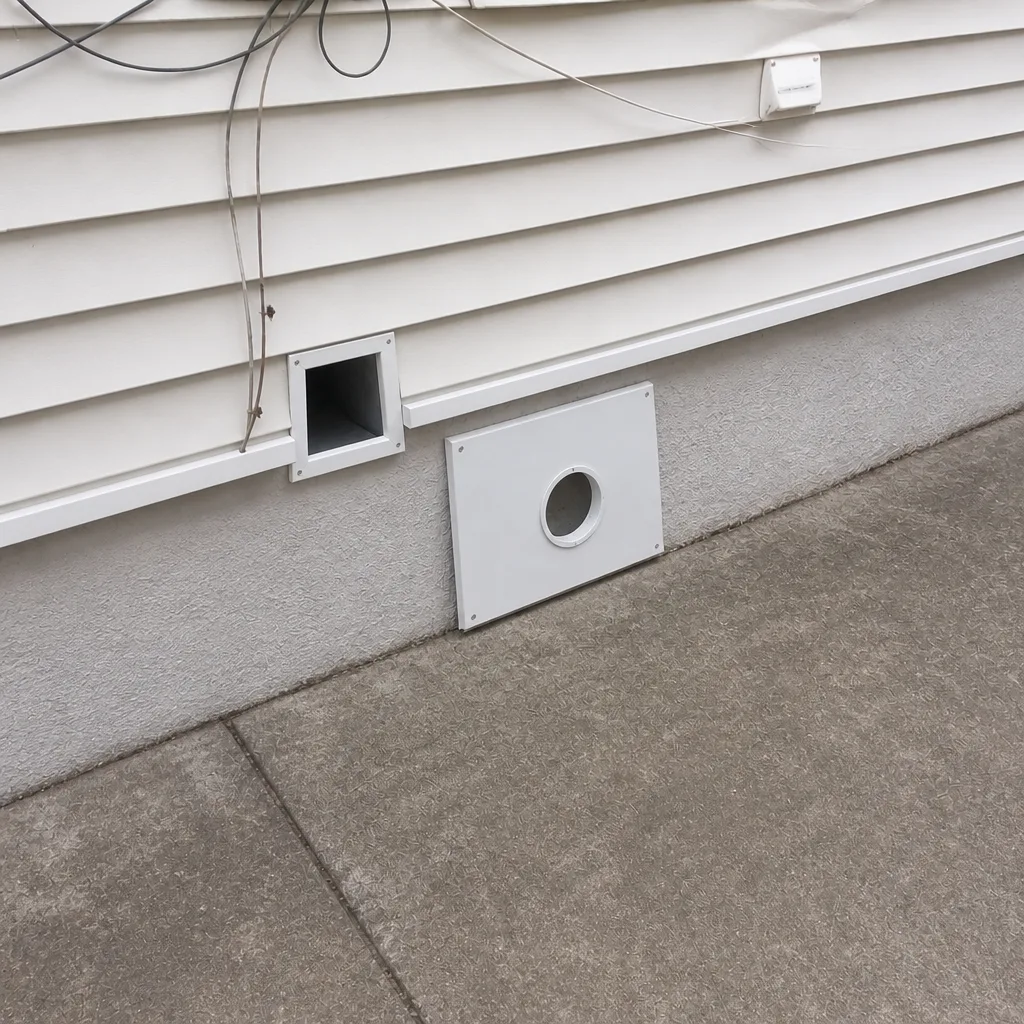
 Before
 After
 Before
 After
 Before
 After
When to Call a Professional
Call a professional when you’re seeing two or more of the deep-contamination signs at once: streaking at the register, symptoms that correlate with HVAC run time, musty smell that lingers past startup, or visible liner degradation in an older East New York home. Call sooner if you see droppings, gnawed flex duct, or a persistent localized odor in a room with no obvious source. A single dusty register or a faint dust smell at first startup is not a call-to-action on its own; monitor it and see whether it repeats. If you’re not sure which category you’re in, the honest answer is that a free estimate and a visual inspection will tell you, and the estimate costs nothing. Air Duct Cleaning East New York offers free estimates in East New York. Call (833) 362-3254. We answer 24/7. Fast dispatch from 7am to 7pm, Sunday through Friday.
Frequently Asked Questions
You need duct cleaning when you’re seeing deep-contamination signs, not surface dust: streaks on the wall at the register, allergic symptoms that track HVAC run time, a musty smell that lingers past the first few minutes of startup, or visible liner degradation in an older home. One dusty register or a single faint smell at the beginning of the heating season is a nuisance, not a diagnosis. If you’re seeing two or more of the real signs together, call (833) 362-3254 for a free estimate. We answer 24/7. Fast dispatch from 7am to 7pm, Sunday through Friday.
A musty smell that lingers past the first few minutes of HVAC startup usually means biological growth (most often mold) inside the duct, typically in the flex sections where moisture collects. A burning or hot-dust smell that fades quickly is more likely dust on the heat exchanger and points to a return that’s pulling too much particulate. A sweet or chemical smell is a refrigerant issue and not a duct problem. If the smell is musty and persistent, it deserves a proper inspection. Call (833) 362-3254 for a free estimate.
If all rooms are somewhat weak, it’s more often a system-level issue: a loaded filter, a dirty return, or a duct system that hasn’t been cleaned in a long time. If one room is significantly worse than the rest, that points to a breached or disconnected branch duct, which cleaning alone won’t fix. The inspection that comes with a professional cleaning or HVAC service is what tells the two apart. Call (833) 362-3254 for a free estimate. We answer 24/7. Fast dispatch from 7am to 7pm, Sunday through Friday.
Yes. A lot of East New York housing has original rectangular metal ductwork with interior fiberglass liner or exterior wrap, and after enough years that liner can degrade, sag, or trap moisture. Some older exterior wrap may contain asbestos-type material and needs proper handling before any cleaning or repair work. Ask any contractor how they inspect for failing liner and how they handle suspect wrap before the appointment. Call (833) 362-3254 for a free estimate.
Professional equipment maintains negative pressure across the whole duct while a contact cleaning head dislodges debris, so what comes off gets captured instead of redistributed into the room. Rotobrush and Nikro systems provide that negative pressure and contact cleaning simultaneously, and visual inspection confirms the condition at depth. A shop vac can’t hold a long branch run under vacuum and can’t reach the surface contamination that has adhered to the duct interior. Call (833) 362-3254 for a free estimate.
Cleaning removes debris; sanitizing addresses biological load that cleaning alone can leave behind. That’s the reason we treat the distinction seriously and use Abatement Technologies protocols for air quality sanitizing rather than a general-purpose spray. Homes with installed air quality equipment like Honeywell or Aprilaire systems benefit from that equipment being serviced and integrated with a sanitizing plan rather than operated as-is. Clean, sealed, sanitized is the sequence that holds up. Call (833) 362-3254 for a free estimate.
The Bottom Line
Most duct warning signs come in two varieties: surface nuisance and structural contamination. The nuisance ones (a dusty register, a faint startup smell) can wait and be watched. The structural ones (streaking at the register, musty smell that lingers, symptoms that track HVAC run time, visible liner degradation in older housing, rodent evidence inside duct runs) point to contamination that keeps coming back until the cause is corrected. In East New York’s older housing stock, that often means cleaning plus repair and sealing, not cleaning alone. Read the signs correctly and the decision about when to call gets clearer. The full arc, from air duct cleaning to dryer vent cleaning to air quality sanitizing, is designed for that full picture. Call (833) 362-3254 for a free estimate. We answer 24/7. Fast dispatch from 7am to 7pm, Sunday through Friday.
Written by the team at Air Duct Cleaning East New York.