
Last updated November 22, 2026
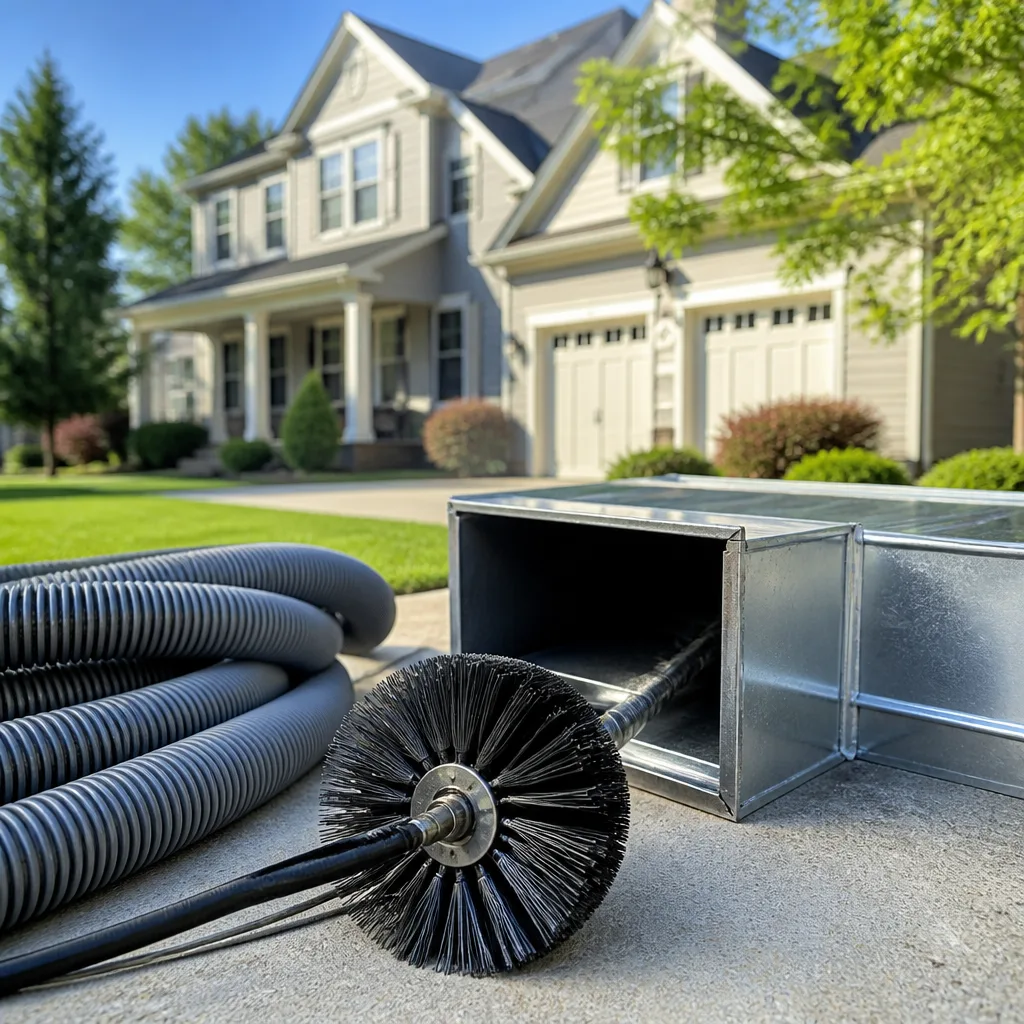 Whole-home duct cleaning
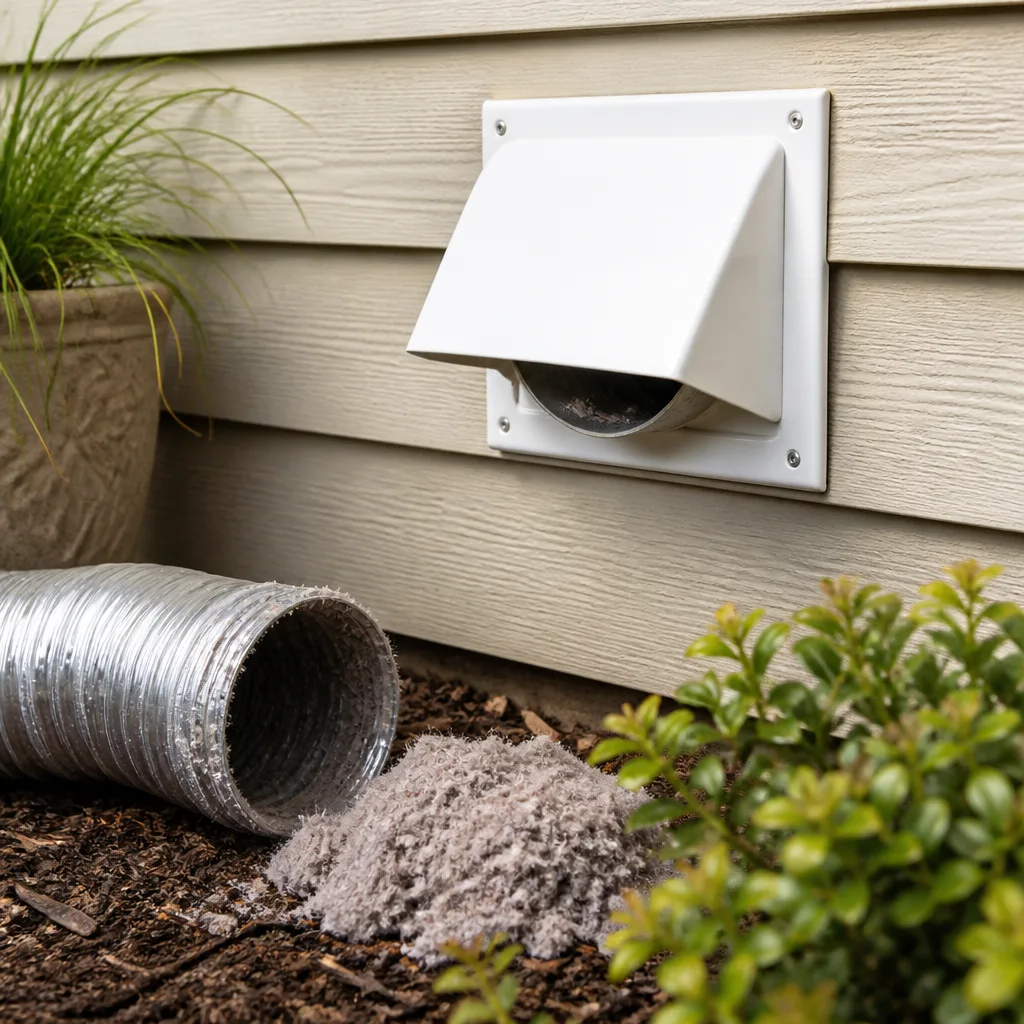 Dryer vent cleaning
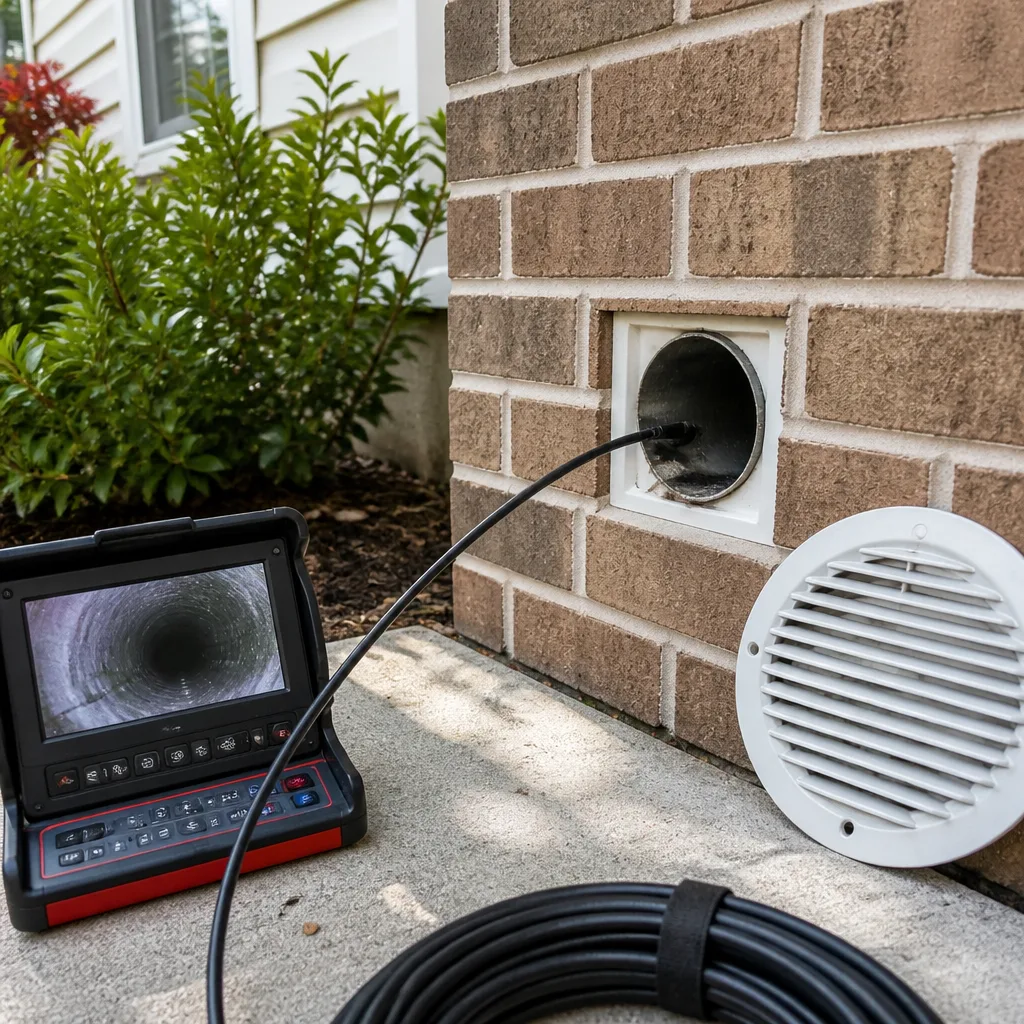 Camera inspection
 Sanitizing & deodorizing
Whole-system duct and dryer vent check with before-and-after photos - you see exactly what came out of your vents
That "$99 whole-house special" is a bait ad - the real number appears once they are in your hallway, or the "clean" is a shop-vac at the register. We photograph the inside of your ducts before and after instead.
DIY vs Professional Air Duct Cleaning: The East New York Homeowner’s Decision Guide
Most homeowners who clean their own ducts do the work correctly and still don’t fix the problem. A consumer shop vac pulls air with roughly 60 to 80 CFM. A Nikro commercial extraction unit pulls 1,500 CFM or more. That gap is the whole story. A brush-and-vac method clears about the first 18 inches of a run, and the main trunk lines feeding every room in your East New York home stay exactly as they were. This guide walks through what DIY genuinely accomplishes, where it stops, and how to decide for your own duct system. You’ll get the physics, the cost math, and the situations where a trained professional isn’t optional.
Quick Answer
DIY air duct cleaning is worth doing for register covers, supply grilles, and filter changes, but it can’t clean the inside of your duct system. Consumer vacuums and rented blowers can’t generate the negative pressure needed to pull debris off duct walls and out of the trunk lines. A professional job uses commercial extraction equipment, contact agitation, and containment to remove contamination rather than spread it. In East New York, where most homes have decades-old galvanized runs or flex ducts with tight bends, the difference shows up in what actually leaves the system.
Styles & brands we work with
- Whole-home duct cleaning
- Dryer vent cleaning
- Camera inspection
- Sanitizing & deodorizing
Table of Contents
- What CFM and Negative Pressure Actually Mean for Duct Cleaning
- What Homeowners Can Legitimately Do Themselves
- When DIY Makes Things Worse
- DIY vs Professional: Real Cost for an East New York Home
- When Professional Service Is Non-Negotiable
- How a Professional Duct Cleaning Actually Runs
- Beyond Cleaning: Sealing, Repair, and Air Quality
- Dryer Vents: A Separate Category of Risk
What CFM and Negative Pressure Actually Mean for Duct Cleaning
CFM stands for cubic feet per minute. It measures how much air a machine can move. In duct cleaning, that number matters less by itself than the combination of air volume and sustained negative pressure held throughout the duct run while the work happens. A duct system is a network of bends, takeoffs, transitions, and dead ends. Debris settles into those spots and clings to duct walls. To lift it, the machine has to draw a steady vacuum through the whole system while a technician agitates the surface from inside.
Here’s the practical version. A shop vac with a homemade brush attachment creates suction at the hose tip and almost nothing 4 feet down the line. Air follows the path of least resistance: open registers, gaps in the duct, loose joints. The machine pulls air from the room, not the duct interior. What the brush loosens near the register gets captured. What it loosens 20 feet away gets recirculated the next time the furnace or air handler runs.
Commercial equipment solves this by design. Rotobrush systems combine a rotary brush or air whip with high-efficiency extraction, so the surface gets physically agitated while the vacuum holds the debris in the collection unit. Nikro extraction units run at much higher CFM and hold steady vacuum through the full run. A complete job requires negative pressure at the duct opening, containment over the work area, and controlled agitation of each branch line. That’s the reason professional grade matters more than technique here. The method can only be as good as the machine behind it.
Older East New York housing brings its own complication. Many homes run galvanized sheet metal with interior seams that trap dust and biofilm. Others have flex duct with long, loose sections where a stiff brush creates tears more often than it creates cleanliness. Neither setup responds well to a consumer vac. Both respond to a machine that can hold vacuum while a controlled brush moves through the run.
What Homeowners Can Legitimately Do Themselves
DIY is not useless. There’s a real list of tasks that a homeowner with a screwdriver, a vacuum, and 30 minutes can handle safely. Keep that list and ignore everything else. Doing the four items below on a regular schedule genuinely helps indoor air quality and takes load off the duct system.
- Remove and clean register covers and supply grilles. Pop off each grille, wash it in a sink or tub with mild soap, dry it fully, and put it back. Most visible dust comes from the grille surface, not the duct interior. Do this about once a season.
- Replace furnace and HVAC filters on schedule. A filter swap is the single most effective thing you can do without equipment. Follow the filter’s stated replacement interval rather than waiting for visible dust, and match the filter’s rated size exactly. Too-tight aftermarket filters can starve airflow.
- Visually check the dryer vent line. Pull the dryer out cautiously, unhook the vent, and look inside with a flashlight. If you can see a wall of lint within the first foot, it’s time for a professional cleaning. Reconnect the vent fully before pushing the dryer back; a kinked or disconnected line is a fire hazard.
- Wipe and sanitize accessible register openings. With the grille off and vacuum off, wipe the register boot opening with a microfiber cloth and a mild cleaner. This is a surface job, not duct cleaning, and it should stay that way.
That’s the appropriate scope. Nothing above requires reaching into a duct with anything other than your eyes. Once you cross into tools inside the run, you’ve left the safe DIY zone. Our technicians have up to 13 years of experience, and a meaningful chunk of that experience is fixing what happens when someone who didn’t have the right equipment tried.
When DIY Makes Things Worse
Some attempts don’t just fail to help; they create new problems. In East New York, with its mix of older housing stock, we see the same four self-inflicted patterns again and again. If you’re considering DIY beyond the safe list above, know where the real risks sit.
- Flex duct damage from stiff brushes. Flex duct is a foil or wire-reinforced tube with a thin inner liner. A stiff brush on a drill or a broom handle forces the liner to catch and tear. A torn liner is worse than a dirty duct: it releases insulation fibers into the airstream and creates a gap where unfiltered attic or crawlspace air can enter.
- Disturbing mold without containment. If a duct has visible mold growth and you stir it up with a brush, the spores that would have stayed put go airborne and are pulled straight into the air handler, then distributed through the whole house. Mold remediation needs containment and a treatment protocol, not agitation.
- Dislodging debris that gets pulled into the air handler. Loose debris sitting harmlessly in a run becomes a problem when it moves. Brush a section and you may push dust, construction grit, or a rodent dropping right onto the evaporator coil or into the blower motor. That turns a cleaning job into a $400-plus repair call.
- Rented pressure equipment used wrong. Consumer-grade blowers and rented leaf blowers are sometimes suggested for blowing ducts out. They force air in the wrong direction, pressurize the house with contamination, and do nothing to remove debris from the system. Never use air pressure to “blow out” a duct. It’s the most reliable way to distribute debris from one room to every room.
There’s also the invisible category: DIY can’t inspect. Nobody doing their own cleaning can see what’s inside the trunk line after 40 feet, which is where the deepest contamination sits. A professional inspection with a camera identifies the problem before anyone starts agitating.
DIY vs Professional: Real Cost for an East New York Home
DIY looks cheap up front and roughly pencils out even with professional work once you count correctly. A rented shop vac or blower for a day, a brush kit, filter replacements, and a full Sunday usually add up to more than homeowners expect. The real gap is not money. It’s the outcome. DIY typically covers grilles and the first foot of each supply run, and leaves the trunk line, returns, and air handler untouched.
For a typical East New York home with ductwork sized to a whole-house HVAC system, professional air duct cleaning falls in this ballpark:
- Whole-system residential duct cleaning: roughly $350 to $700, depending on the number of supply and return runs, accessibility, and whether the system has one or two zones.
- Duct cleaning plus sanitizing: roughly $450 to $900, adding an air-quality treatment step.
- Duct cleaning plus repair and sealing of damaged runs or joints: roughly $600 to $1,400, depending on how much repair is needed.
These are typical estimate ranges only; the written estimate sets the final price. Compare them to a DIY attempt done this weekend that leaves the trunk line and air handler untouched. The best outcome of DIY at this scale is clean register covers and a nicer-looking grille. The best outcome of professional cleaning is a duct system that actually got cleaned. And unlike a shop vac, the professional job ends with before-and-after photos of what was inside, so the homeowner can see the result.
If you want a number for your specific system rather than a typical range, call (833) 362-3254 for a free estimate. Estimates are free, and nothing gets scheduled before you know the price.
When Professional Service Is Non-Negotiable
Some conditions take the decision out of the homeowner’s hands. If any of the following applies in an East New York home, professional cleaning is not a preference; it’s a requirement. Not because DIY is dangerous to try – though it can be – but because the actual problem can’t be fixed without equipment.
- Visible mold anywhere on duct surfaces, grilles, or the air handler. Mold needs treatment, not agitation. Professional sanitizing using Abatement Technologies protocols for air quality remediation is designed for this.
- Rodent evidence. Droppings, nesting material, or a smell in the ductwork signals contamination that’s genuinely hazardous. Attempting to clean it without containment spreads pathogens into the living space, and the risk is highest for children, elderly residents, and anyone with respiratory conditions.
- Post-renovation debris. Drywall dust, insulation fibers, and construction grit settle in every branch line after a project. A consumer vac cannot pull heavy debris out of a run; extraction equipment can.
- Any household with immunocompromised, asthmatic, or allergy-sensitive occupants. The margin for error is smaller, and DIY contamination distribution matters more.
- Persistent musty odors that keep returning. Odor usually means moisture and biological growth somewhere in the system, often in a spot you can’t inspect without a camera.
If any of these describes your home, don’t spend the weekend with a shop vac. Call first. You’ll get an assessment and a written estimate, and that’s a better starting point than a partially-cleaned system.
How a Professional Duct Cleaning Actually Runs
Understanding the process tells you exactly what you’re paying for and why a shop vac can’t replicate it. Here’s the sequence a professional duct cleaning follows for a typical East New York home. The steps are consistent regardless of house type; the equipment is what changes the result.
- Inspection first. Before any cleaning begins, a technician inspects the system with a camera, checks every supply and return register, and looks at the air handler, evaporator coil, and blower compartment. Any issue – tears, mold, rodent evidence, damaged seals – is identified up front.
- Setup and containment. Registers and returns are removed or covered, and a commercial extraction unit (Nikro or equivalent) is connected to the main trunk line. The unit holds negative pressure on the system during the whole job so debris goes out rather than into the room.
- Contact cleaning of each branch line. A Rotobrush rotary tool feeds through each supply and return run, brushing the duct walls while the extraction holds vacuum. It reaches past the bends and into the far end of each run, which is where debris actually accumulates.
- Trunk line and air handler cleaning. Once branches are clear, the main trunk and the air handler compartment get the same treatment. Coil surfaces and the blower are cleaned carefully to remove debris the system has been pulling against.
- Sanitizing (when indicated). Where contamination was biological or where the customer wants it, ducts are treated with an air quality sanitizing step using Abatement Technologies protocols. This is a separate step, not a substitute for cleaning.
- Sealing and repair. Loose joints, separated sections, and small tears get sealed or repaired before the system goes back together. This is the step where the leak you didn’t know about gets fixed, and it’s why a cleaning-only provider often leaves the problem behind.
- Final inspection and before-and-after photos. The system is checked again, filters are replaced if needed, registers go back on, and the customer gets photos of what the ducts looked like before and after. If you can’t see the change, you don’t know the work was done.
That sequence is what our air duct cleaning actually involves on a house that needs it, and the same structure applies to a property manager dealing with a building full of systems. It’s not a 30-minute visit with a hose. It’s a full-system job with inspection at the front and proof at the back.
Beyond Cleaning: Sealing, Repair, and Air Quality
Cleaning is only one of five things a duct system needs over its life. Homeowners who focus on cleaning alone often end up repeating the problem because the underlying leak or damage was never addressed. In East New York, where many homes have ductwork that’s been through several renovations, this happens a lot.
The other four services change the equation:
- Duct repair and sealing. Torn flex duct, disconnected joints, and loose seams leak conditioned air into the attic or wall cavity and pull unfiltered air into the system. Sealing was never part of a cleaning; it’s a separate structural correction. Without it, a freshly cleaned system recontaminates quickly.
- HVAC cleaning. The air handler, evaporator coil, and blower motor collect dust that reduces efficiency and eventually causes mechanical failure. Cleaning these alongside the ducts is how a professional protects the machine the ducts are connected to. Our HVAC cleaning covers that side of the system.
- Air quality and sanitizing. Beyond debris removal, biological contaminant treatment uses Abatement Technologies protocols to address what grows in ducts. This goes beyond cleaning to actually treat the surface.
- Air quality equipment servicing. If your home already runs a Honeywell or Aprilaire air quality system, servicing it correctly during duct work matters. We’re familiar with both brands, so installed systems stay compatible and correctly handled.
The real benefit of a full-scope provider shows up when a single visit can diagnose, clean, seal, and sanitize. The alternative is calling one company to clean and another to fix, then waiting weeks for the second to arrive while the system keeps pulling dust through the same leak. For a property manager running several units, that’s a scheduling problem as much as a repair problem.
Dryer Vents: A Separate Category of Risk
Dryer vents are not a bonus add-on to duct cleaning; they’re their own safety-critical service, and they’re frequently ignored until something goes wrong. Lint accumulation in the dryer exhaust line is one of the leading causes of residential house fires, and it’s a code-compliance gap that most East New York homeowners never think about.
Here’s how the risk works. Every load of laundry produces lint, most of which a dryer’s lint trap does not catch. That lint travels down the vent line, sticks to the interior walls, and keeps building. The shorter the run and the fewer the bends, the slower it accumulates. Older homes with long vent runs, elbow-heavy routing, or a vent that ends near a wall or roof soffit build lint faster. A blocked vent does two things at once: it creates a fuel source right next to a heat source, and it forces the dryer to work harder to exhaust hot, moist air, which is both a fire risk and an efficiency problem.
Professional dryer vent cleaning is its own service, using the same negative-pressure extraction approach as duct cleaning. It’s not a hole cut in a shop vac hose, and it’s not a consumer vent brush on a drill. It’s a full-length cleaning of the vent line from dryer connection through to the exterior termination, with a before-and-after check.
If you’ve never had the vent cleaned, or it’s been several years, book one. Our dryer vent cleaning exists because this single service is worth doing on its own, regardless of whether you ever have the air ducts cleaned. It’s also a service a property manager should have on the schedule for every rental unit. Fire risk doesn’t care whether the tenant knows about lint.
Common Mistakes to Avoid
Even homeowners who understand the DIY limits still make avoidable calls. Here are the ones we see most in East New York, and they apply broadly.
- Assuming a vacuum cleaner with a long hose is duct cleaning. A home vacuum pulls from the room, not the duct. The moment the hose enters the run, the system loses pressure and the vacuum pulls room air instead. Consumer-grade equipment cannot clean inside a duct system no matter the technique.
- Blowing air through the ducts to “flush” debris. This redistributes contamination into every room in the house and the air handler. It is the worst thing DIY can do to a duct system.
- Using stiff brushes on flex duct. Flex duct inner liners tear easily. A torn liner releases fibers into the air and creates a gap where unfiltered air enters. If you see flex duct, treat it gently and let a trained technician handle the interior.
- Skipping the filter change schedule to save money. A clogged filter starves airflow, forces the blower to work harder, and pushes dust past the filter into the coil. Filters cost a fraction of an HVAC repair.
- Ignoring dryer vents because the ducts got cleaned. These are two separate systems. Cleaning the supply ducts has no effect on lint accumulation in the dryer exhaust line.
- Choosing a cleaner on coupon price alone. A low teaser price often becomes a much larger invoice once the technician is on site. Ask for one flat price per system, before work starts, with the scope written down.
- Skipping the before-and-after photos. If the provider doesn’t show you what came out, you have no way to know the work happened. Ask up front and expect photos as standard.
See the difference
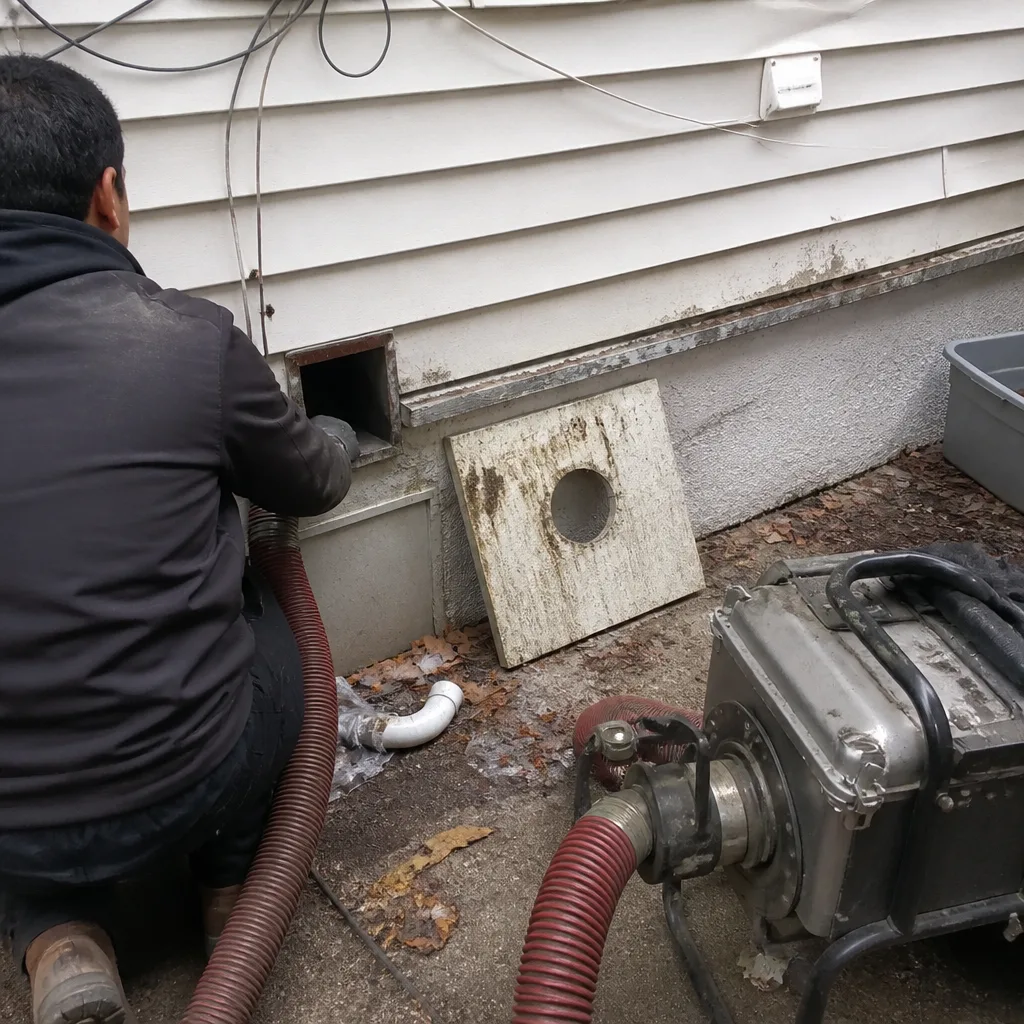 Before
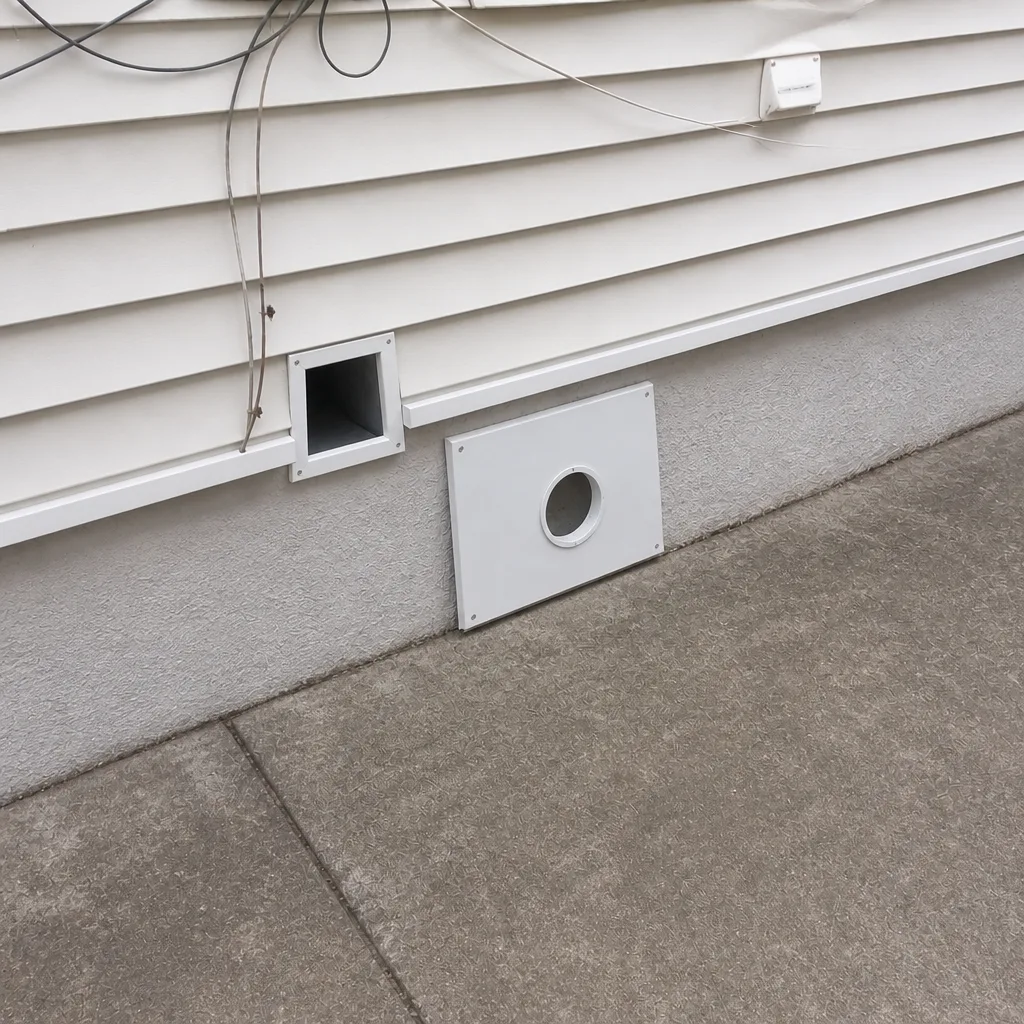 After
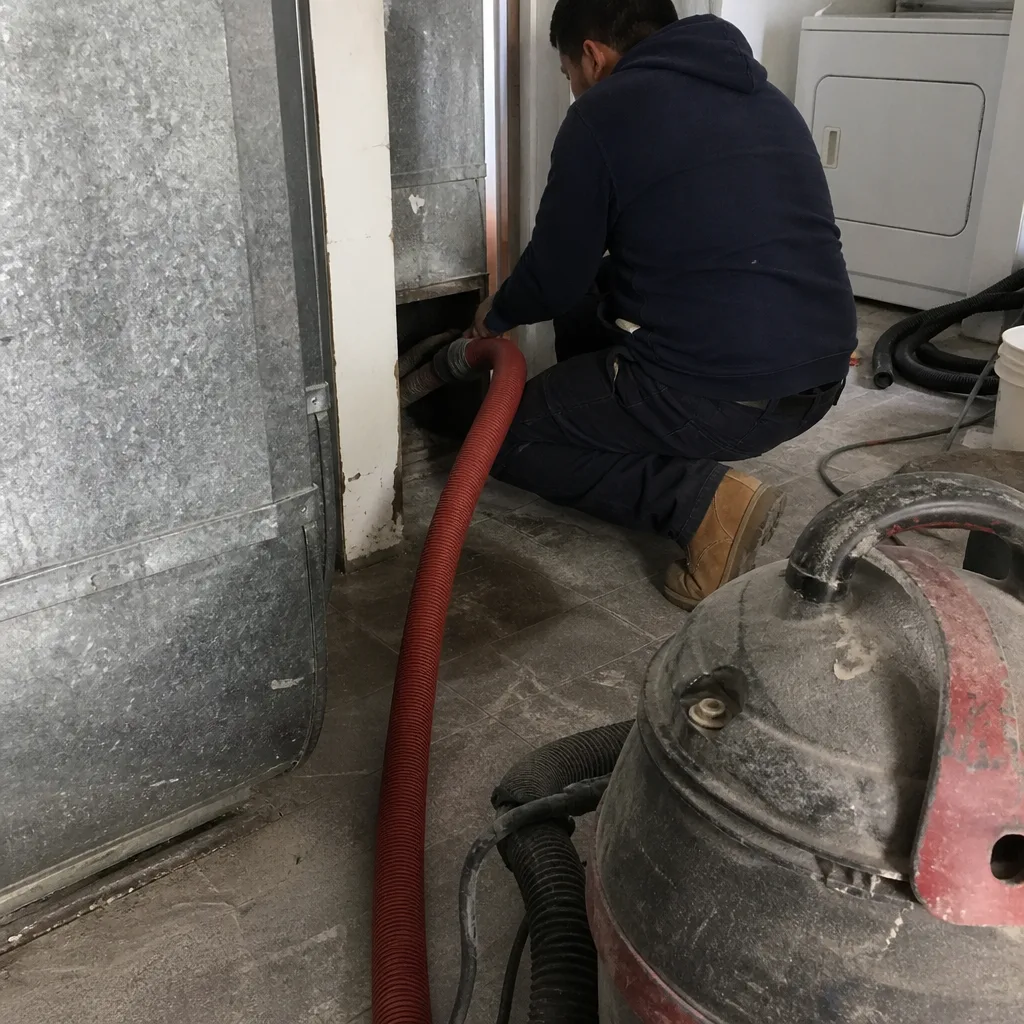 Before
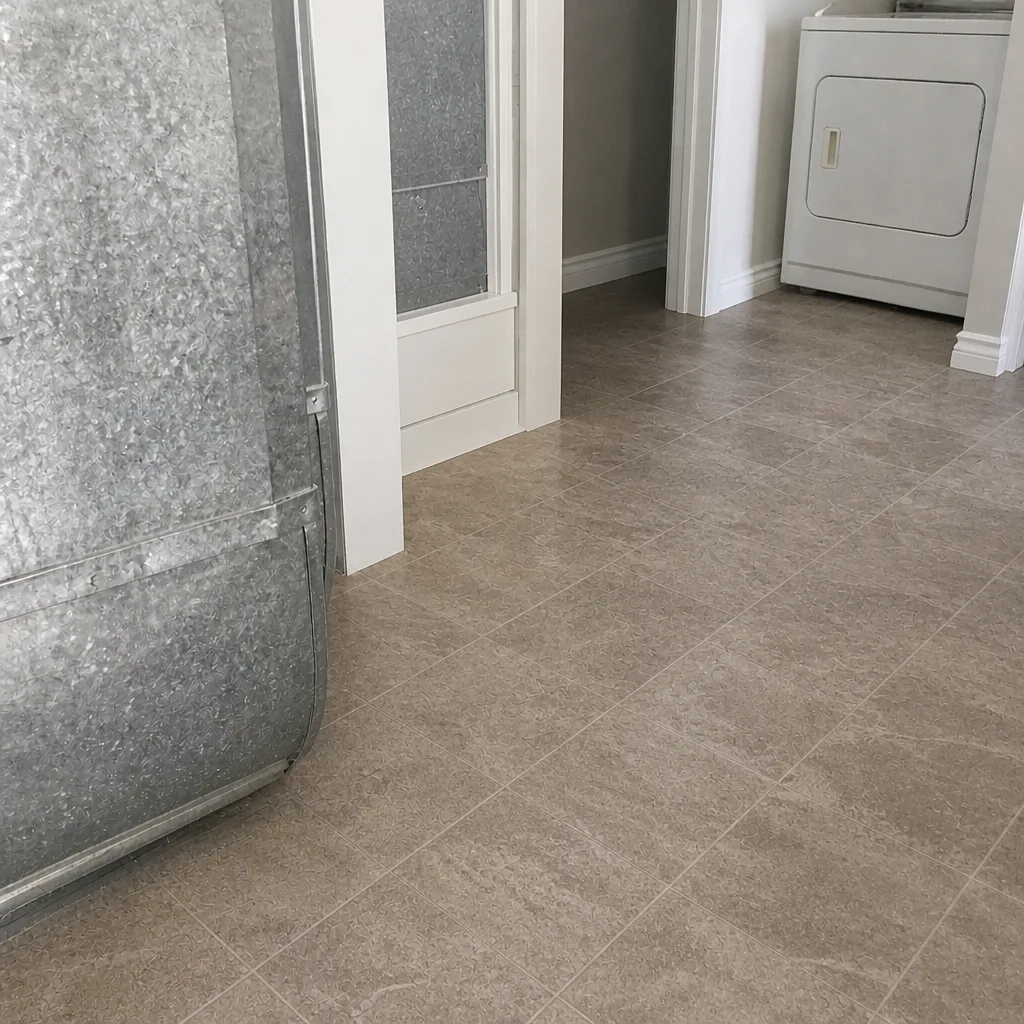 After
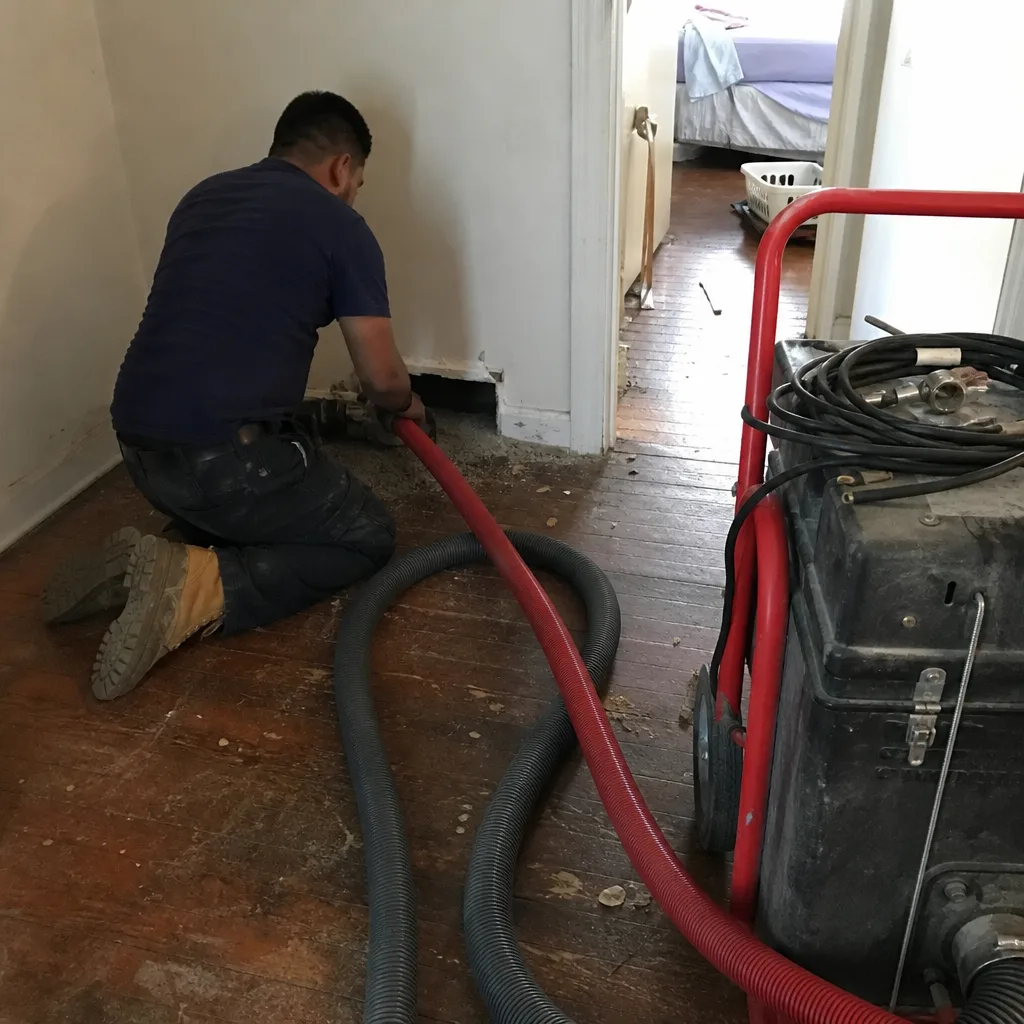 Before
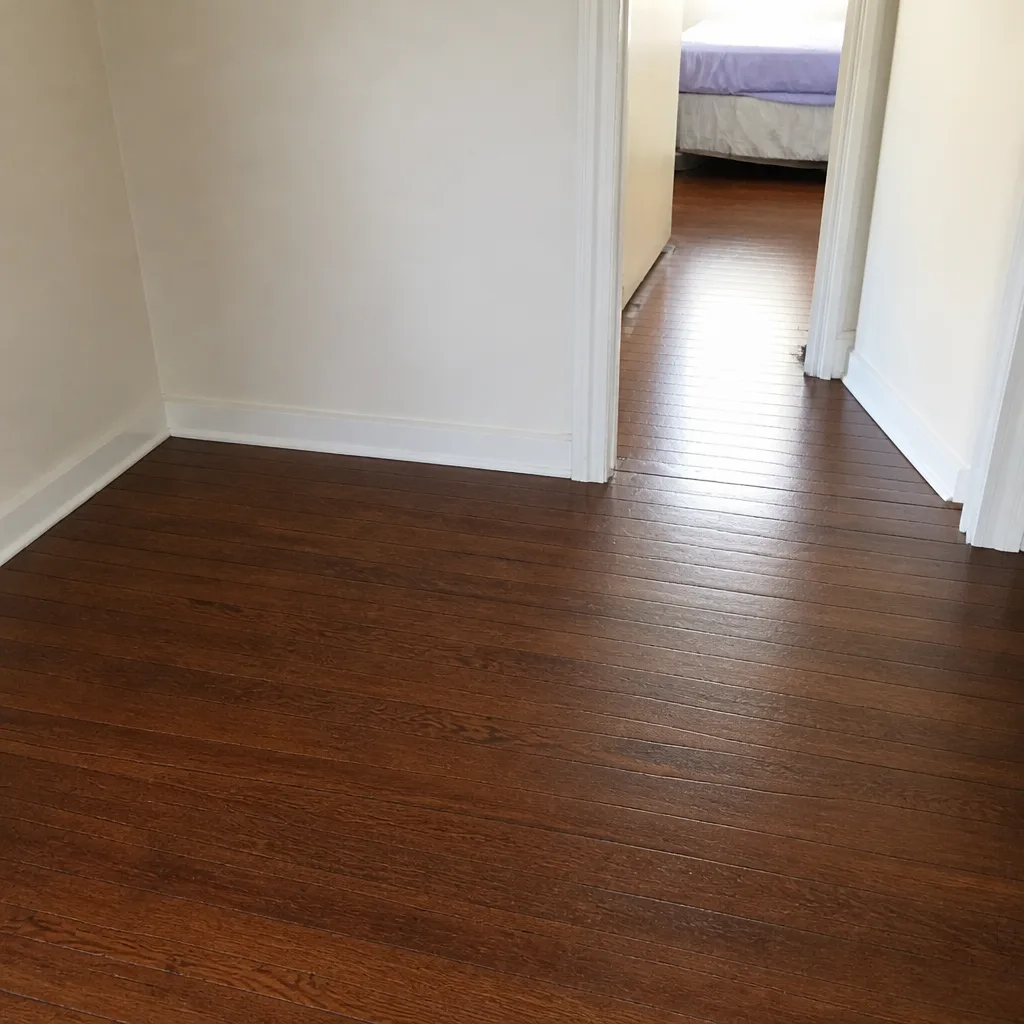 After
When to Call a Professional
If any of these sound like your East New York home, the decision is clear: call rather than clean. Visible mold on duct surfaces, register grilles, or the air handler; rodent droppings or nesting material in the system; a musty or damp smell that returns after cleaning; a recent renovation that left drywall dust and grit in the airstream; or any household member with asthma, allergies, or a compromised immune system. Older systems with long or heavily bent duct runs, houses that have never had a professional cleaning, and property managers with multi-unit buildings all belong in the same call-now category.
Air Duct Cleaning East New York offers free estimates in East New York – call (833) 362-3254. We answer 24/7. Fast dispatch from 7am to 7pm, Sunday through Friday. A written estimate with a flat price per system sets the final cost, and it’s the fairest comparison you can make against any coupon-driven alternative.
Frequently Asked Questions
You can clean register covers, supply grilles, and the first few inches of a run, and that’s a useful thing to do. You cannot clean the inside of a duct system with a shop vac, because consumer units can’t hold enough negative pressure to pull debris from deep inside the trunk lines. Cleaning the first 18 inches while the rest stays dirty is the honest outcome. If you want your whole duct system cleaned, call (833) 362-3254 for a free estimate.
Cheap quotes are usually for less work: a quick register vacuum with consumer-grade equipment, not contact cleaning of each duct run. The low coupon price is designed to get a technician into the house, where the scope tends to grow. The better question to ask is what the quote actually covers. Ask for one flat price per system, agreed before work begins, with before-and-after photos of your own ducts included. Call (833) 362-3254 for a straightforward estimate.
You’ll know by the record you get back: photos of the ducts before cleaning and photos of the same ducts after. On a properly equipped job, the equipment itself provides another check – the extraction unit collects what it removes, so the volume of debris is visible, not just claimed. Any provider who won’t put “before-and-after photos” in writing is telling you something. Call us for an estimate and we’ll walk through exactly what the job includes.
Most East New York homes can go several years between professional cleanings, and that’s the honest answer. The interval depends on the home: renovations, pets, smokers, filters changed consistently, and whether the duct system has leaks that keep pulling dust in. Homes with any of those factors need it more often. A free inspection settles it for your specific home. Call (833) 362-3254 and we’ll give you a straight answer.
Yes, in specific ways. The three most common are: disturbing mold without containment so spores spread to the rest of the house; forcing debris off duct walls and into the air handler, where it collects on the coil; and tearing flex duct liners with stiff brushes, which releases fibers and opens the system to unfiltered air. DIY cleaning should stay at the register and filter level. Call (833) 362-3254 if you’re unsure where your system sits.
Because they’re two separate systems with two separate risks. Air ducts carry conditioned air through the house; dryer vents exhaust hot, moist, lint-filled air outdoors. Lint in the dryer line is a leading cause of residential house fires, and cleaning the supply ducts does nothing for it. The vent line needs its own cleaning on its own schedule. Call us for a free estimate covering either service.
Yes. We work with East New York homeowners and with property managers handling multi-unit buildings. For rental units, the dryer vent cleaning service is worth putting on a recurring schedule, and it’s a straightforward way to close a fire-safety compliance gap. Call (833) 362-3254 for a free estimate and we’ll lay out exactly what a building-level job involves.
The Bottom Line
DIY duct cleaning covers what it can honestly reach: register covers, grilles, filter changes, and a visual dryer vent check. Beyond that, the limitation is the equipment, not the homeowner. Consumer-grade vacuums cannot hold negative pressure through a duct run, and the brush-and-vac method that circulates in online tutorials cleans about the first 18 inches of each duct, then stops. A professional job uses commercial extraction and contact cleaning through the entire system, then adds the sealing, repair, and sanitizing steps that keep it clean. For an East New York home, the decision comes down to whether you want a cleaner grille and a dirty system, or a duct system that actually got cleaned. Call (833) 362-3254 for a free estimate and a flat, written price before anything gets scheduled. We answer 24/7. Fast dispatch from 7am to 7pm, Sunday through Friday. Our technicians have up to 13 years of experience, and every job ends with before-and-after photos so you can see the result. Start with Air Duct Cleaning East New York if you want the full service picture, or call and we’ll talk through what your system needs.
Written by the team at Air Duct Cleaning East New York.