
Last updated November 22, 2026
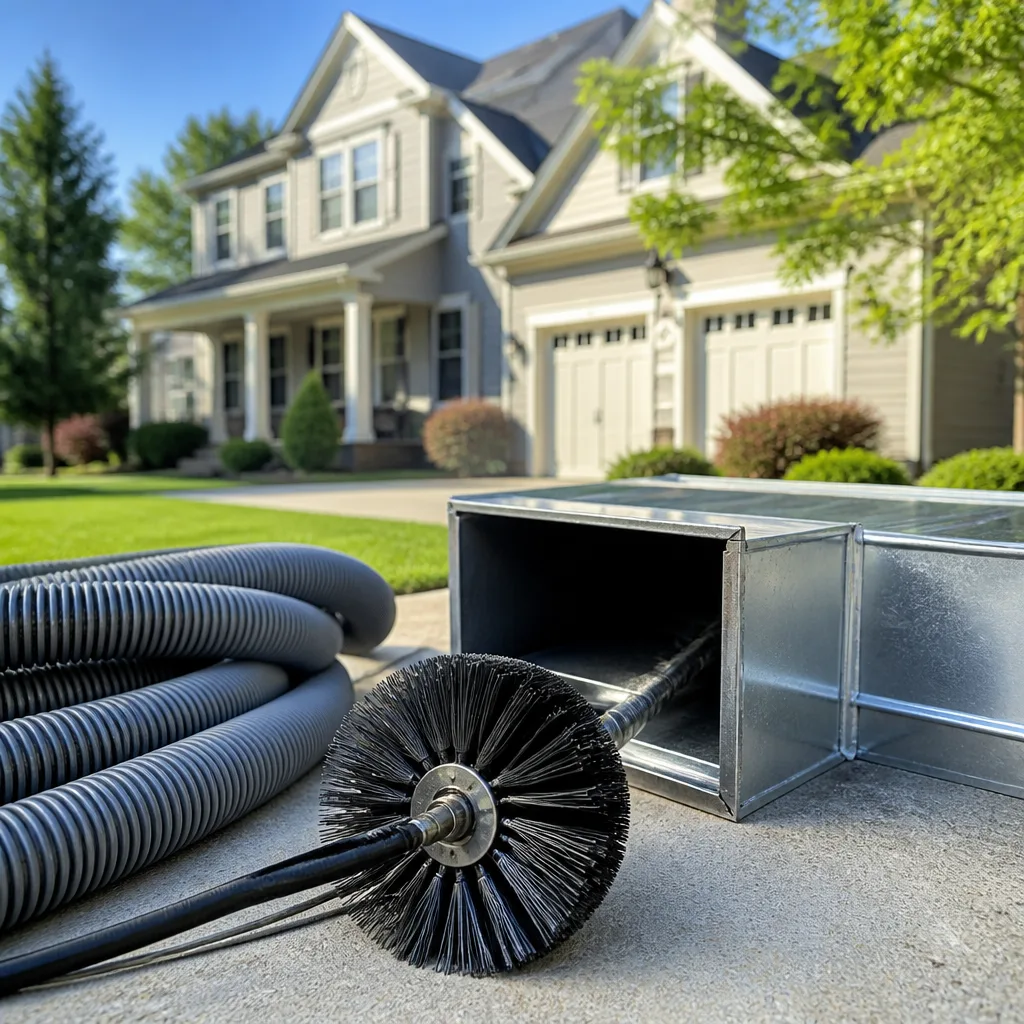 Whole-home duct cleaning
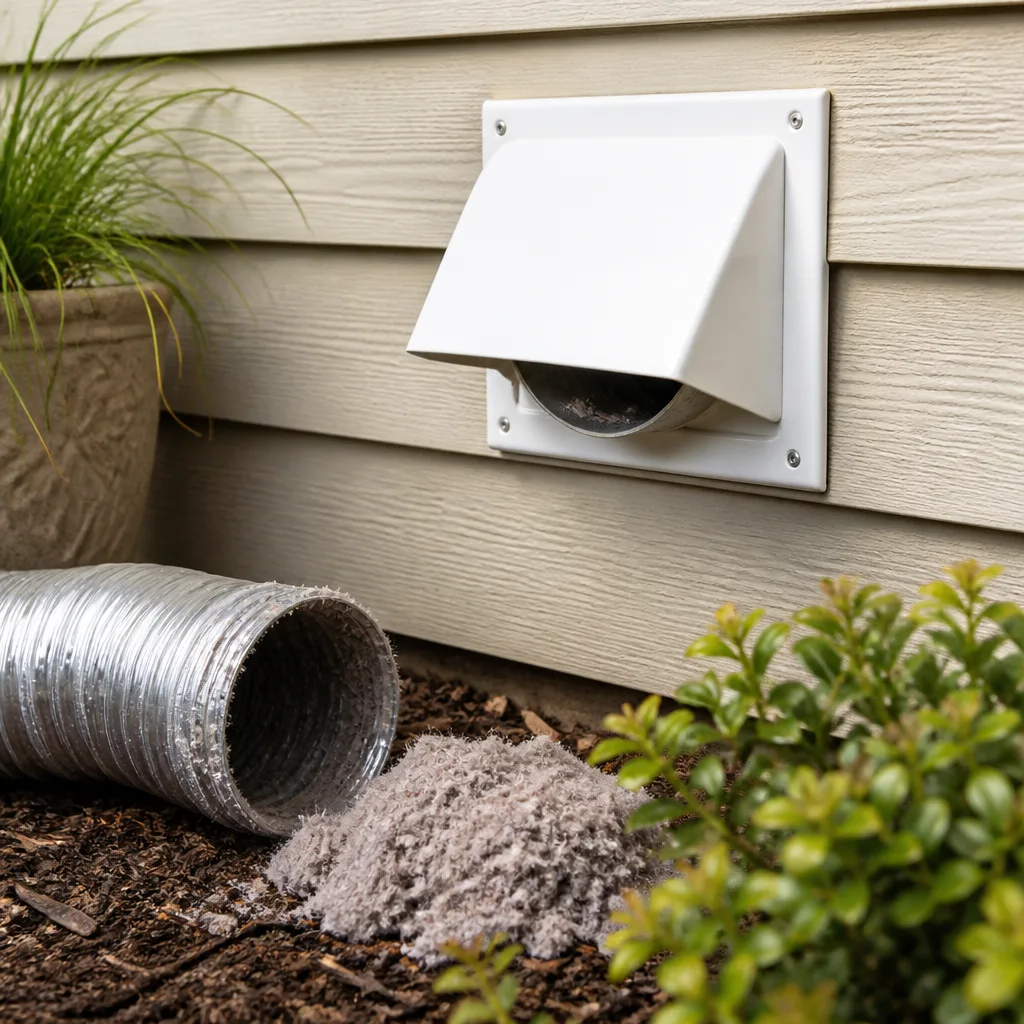 Dryer vent cleaning
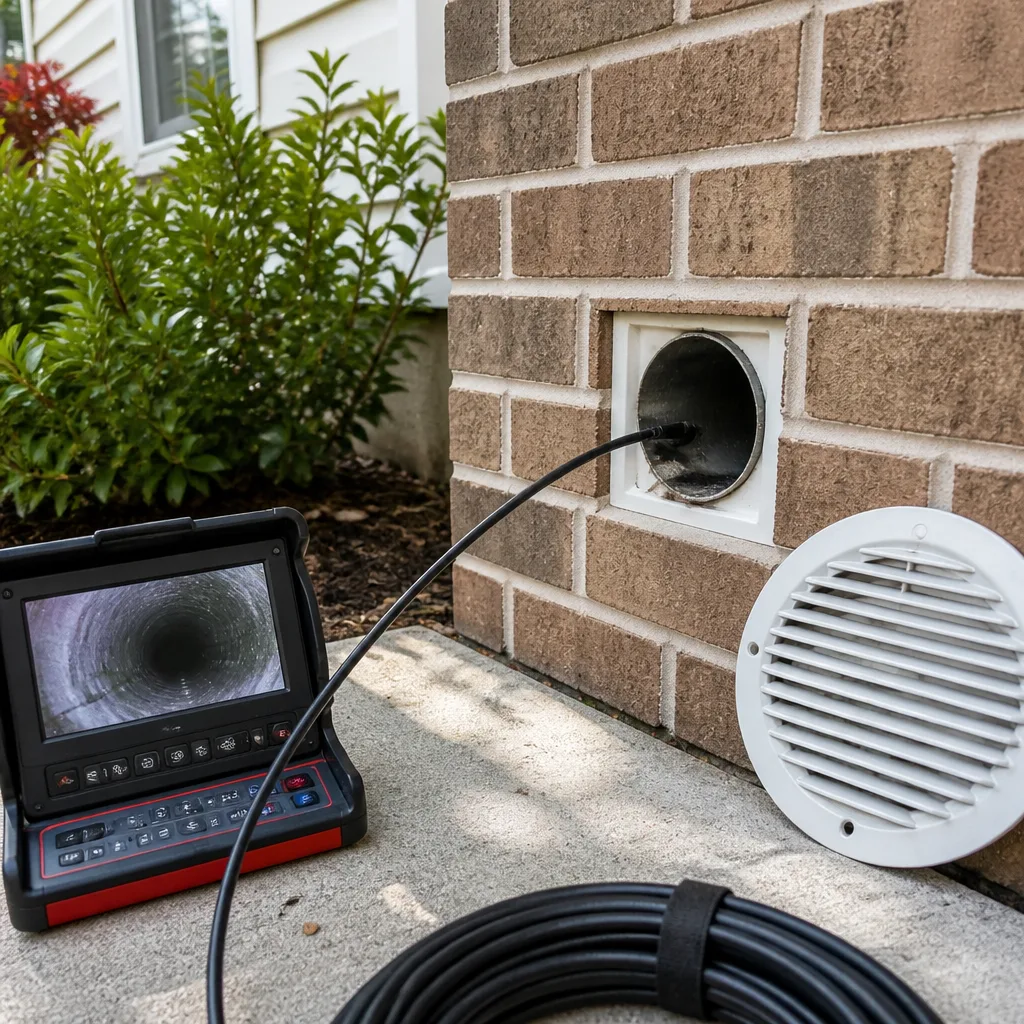 Camera inspection
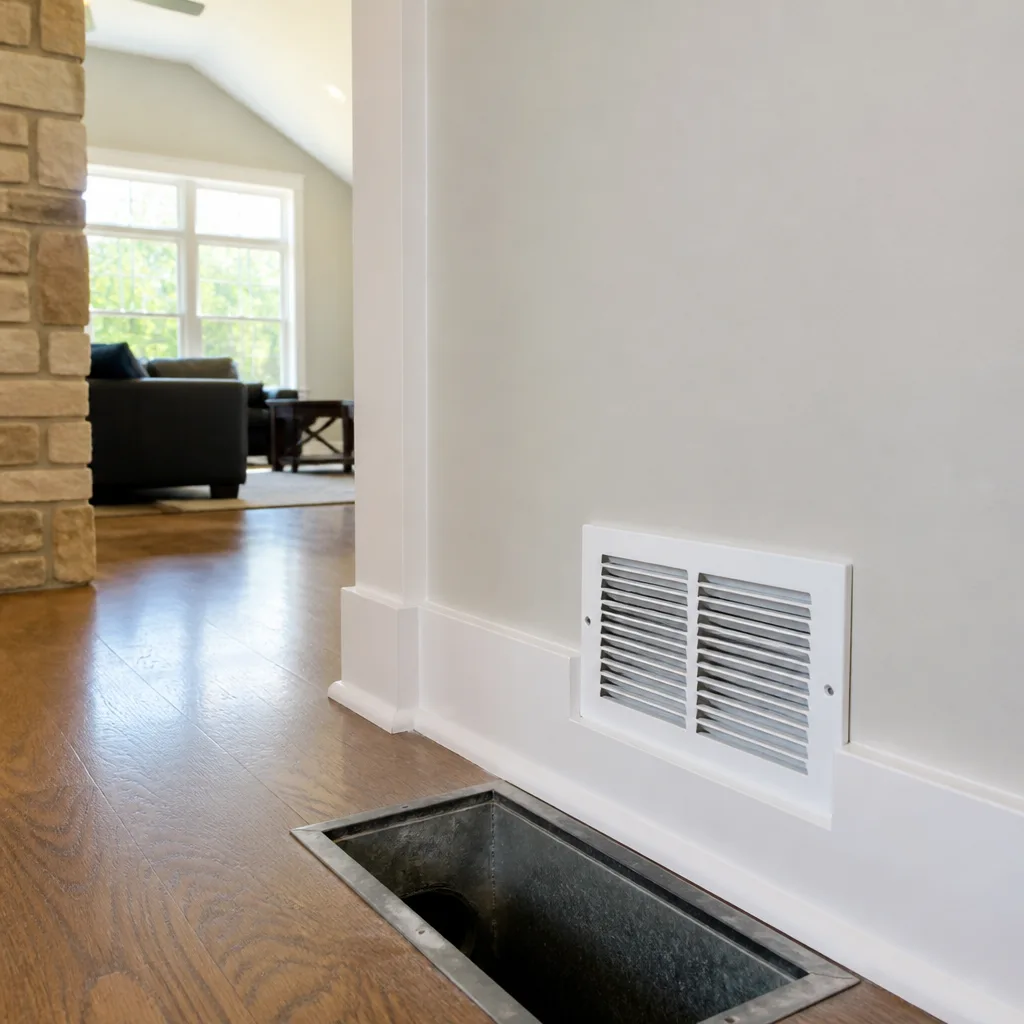 Sanitizing & deodorizing
Whole-system duct and dryer vent check with before-and-after photos - you see exactly what came out of your vents
That "$99 whole-house special" is a bait ad - the real number appears once they are in your hallway, or the "clean" is a shop-vac at the register. We photograph the inside of your ducts before and after instead.
Air Duct Cleaning Troubleshooting in East New York: Common Problems and How to Fix Them
If your HVAC contractor has replaced filters, checked refrigerant, and tuned the blower twice but the problem keeps coming back, the duct system is almost certainly the culprit – and it’s the one component most contractors never actually inspect. In East New York, we see this constantly: a unit that tests fine on paper while the rooms it serves stay cold, dusty, or oddly humid. The ductwork is where the evidence lives, and it’s where the fix usually is. This guide shows you how to read your own system’s symptoms the way a technician does, tell a cleaning problem apart from a sealing problem apart from a collapsed run, and arrive at any conversation knowing what category of trouble you’re likely facing.
Quick Answer
Most duct problems that look like HVAC failures are actually duct-side issues: leaks at joints and seams, buildup on duct interiors, blocked or crushed runs, or disconnected sections in a basement or chase. A trained technician can tell them apart with a camera inspection before touching a register, and the right fix depends on which one you have – cleaning, sealing, structural repair, or a combination.
Styles & brands we work with
- Whole-home duct cleaning
- Dryer vent cleaning
- Camera inspection
- Sanitizing & deodorizing
Table of Contents
- How to Read Your System’s Symptoms Like a Pro
- Cleaning Problem, Sealing Problem, or Structural Collapse?
- What a Camera Inspection Reveals That a Flashlight Can’t
- East New York Variables: Pre-War Ducts, Basement Moisture, Urban Dust
- Your Pre-Call Triage Checklist
- When the Problem Isn’t the Ducts at All: Dryer Vents and Fire Risk
- What a Real Duct Cleaning Actually Involves
- Common Mistakes to Avoid
- When to Call a Professional
How to Read Your System’s Symptoms Like a Pro
Every symptom points somewhere specific. The trick is translating what you notice into what’s mechanically happening inside the duct system. That translation is what separates “my unit is broken” from “my return is undersized” – two very different problems with very different fixes.
Here’s how to map the most common complaints to their likely causes:
- One room always cold, the rest fine: Usually a run that’s too long, has too many turns, or is leaking before it reaches the room. It can also be a damper that’s partially closed. This is rarely a cleaning problem on its own.
- Musty odor that hits only on startup: Moisture or biological growth inside the duct interior, most often where the system sits in a cool basement or crawlspace. The odor appears when the blower pushes air across it, then fades as the smell disperses.
- Visible dust puff from registers: Heavy accumulated debris in the supply trunk, or gaps at the boot that let surrounding air (and dust) get pulled in. Sometimes both.
- Uneven airflow room to room: Pressure imbalance – often a return air problem, a crushed flex run, or a disconnected joint in the attic or basement.
- Higher energy bills with no change in usage: Leaks in the supply or return, especially at seams and connections. The conditioned air never reaches the rooms, so the unit runs longer.
- Dust settling quickly after you clean: Either ongoing buildup in the ducts, or infiltration pulling unfiltered air into the system through gaps that sealing would close.
Notice the pattern. The first and fourth symptoms point at design and sealing. The second and third point at contamination. The fifth and sixth point at leaks. That mapping matters, because it tells you (and us) which service category is likely needed before anyone shows up. In East New York, where many homes were built with duct layouts that predate modern airflow standards, the “one room always cold” complaint tends to be a design or sealing issue, not a dirty-duct issue – which is why a cleaning-only visit often disappoints.
Cleaning Problem, Sealing Problem, or Structural Collapse?
This is the distinction that determines cost, and it’s the one most homeowners skip. Three problems, three fixes, three different price ranges. Treating one as another is the most common reason people pay twice.
A cleaning problem is contamination: dust, debris, biological growth, or pet hair accumulated on duct surfaces. It responds to contact cleaning and extraction. If your airflow is normal, your temperatures are even, but the dust and odor persist, you almost certainly have a cleaning problem.
A sealing problem is a leak: gaps at joints, seams, boots, or connections where conditioned air escapes and unfiltered air enters. It shows up as uneven temperatures, high bills, and dust that returns. Cleaning won’t fix it. Sealing will. This is where a lot of duct cleaners stop short – because they only clean. A complete service diagnoses, cleans, seals, and sanitizes, so the root cause gets fixed in one engagement.
A structural collapse is damage: a crushed flex run, a disconnected section, a duct that’s come apart in the attic or behind a wall, or a section so deteriorated it can’t carry air properly. It shows up as a room with no airflow at all, a whistling sound, or a sudden pressure change. This requires duct repair before there’s any point in cleaning.
Here’s the quick decision tree:
- Is airflow present in every room, but dust and odor are persistent? Likely a cleaning problem.
- Is airflow uneven or soft, with no visible obstruction at the register? Likely a sealing or leak problem.
- Is a room getting no air at all, or is there a whistling or rattle? Likely a structural issue that needs repair first.
- Is the smell worse in humid weather or after rain? Points to moisture and biological growth, so cleaning plus sanitizing.
- Do all three overlap? You need a full-spectrum provider who can clean, seal, and repair in one job.
That last point is why we handle all three under one roof – not as separate vendors. A single engagement means no one hands you back and forth between a cleaning crew that can’t seal and a repair crew that won’t clean.
What a Camera Inspection Reveals That a Flashlight Can’t
A flashlight-and-mirror look at a register tells you the first two inches of a run. A camera inspection tells you the truth about the rest of it. The difference matters most before you commit to any repair or cleaning decision, because you can’t fix what you can’t see.
We use Rotobrush and Nikro professional-grade equipment – the same systems HVAC contractors and restoration professionals rely on, not consumer-grade vacuums passed off as “duct cleaning.” Those systems include camera capabilities that let a technician document what’s actually inside the ductwork before any work starts.
Here’s what a camera reveals that a visual inspection misses:
- Joints that have separated: Sections of ductwork connected only by tape that’s failed, allowing air to escape into wall cavities or attic space long before you notice a temperature problem.
- Contamination past the first bend: Buildup that starts further in than a flashlight reaches, especially on the top surface of horizontal runs.
- Moisture intrusion points: The exact spot where condensation or basement humidity has entered the system, which is where biological growth tends to start.
- Crushed or collapsed flex runs: Sections where flex duct has folded on itself, cutting off airflow to a room entirely.
- Debris type: Whether you’re looking at construction dust, pet dander, biological growth, or rodent activity – because each one calls for a different cleaning approach.
The documentation matters on the back end too. Before-and-after photos of your own ducts mean you see what was removed and what condition the interior is in after cleaning. That’s how you know the work was actually done, rather than trusting a coupon and a receipt. In a service category with a reputation for bait-and-switch, that proof is the whole point.
East New York Variables: Pre-War Ducts, Basement Moisture, Urban Dust
East New York’s housing stock doesn’t look like the suburbs, and its duct systems don’t behave like suburban systems. Three local factors shape nearly every job we assess here.
Older buildings with original ductwork. A lot of East New York homes date to the pre-war era, and many still have their original duct systems – or ductwork added or modified long after the house was built. Older ductwork is more likely to have loose joints, patched sections, and runs that were sized for an earlier heating system rather than modern central air. That’s why “one room always cold” shows up here more than in newer construction, and why sealing often does more for comfort than cleaning alone.
Basement moisture. East New York basements have their own weather, particularly in humid summer months. Moisture in a basement doesn’t stay in the basement – it finds its way into duct interiors that pass through or near it. That’s where the “musty on startup” complaint comes from. Cleaning alone removes the growth; sanitizing treats the surfaces so it doesn’t return immediately. That’s the Abatement Technologies protocol approach we apply on air quality and sanitizing jobs, and it’s the same standard used in remediation work.
Urban particulate load. East New York sits in the middle of a dense, busy part of Brooklyn. Traffic, construction, and everyday urban air mean filters load up faster and duct interiors collect more fine particulate than they would in a low-traffic area. Homes here tend to need attention sooner than the national “every three to five years” talking point suggests – not because the ducts are worse, but because the load is higher.
Put together, these three factors push many East New York homes toward a combined service: cleaning for the buildup, sealing for the original ductwork’s leaks, and sanitizing for the basement-driven moisture. A duct repair & sealing job here often starts with the same diagnosis as a cleaning job – the camera tells you which problem you actually have. If you’re ready to look at the full service, our air duct cleaning East New York page lays out what we cover.
Your Pre-Call Triage Checklist
Run this before you call anyone. It takes about ten minutes and it will change the conversation you have – from “something’s wrong” to “here’s what I’m seeing, and here’s what I think it is.”
- Walk every room with the system running. Note which rooms have strong airflow, which are weak, and which have none. A weak room and a dead room are different diagnoses.
- Check the filter. A clogged filter mimics duct problems by starving the system of return air. Replace it and note the date.
- Look at the registers. Dust streaks around a register suggest a boot leak. A puff of dust at startup suggests buildup in the trunk.
- Smell the first minute of operation. Musty on startup but fine later points at moisture in the duct. Persistent odor in every room can mean something else.
- Check the basement or crawlspace. Any visible moisture, condensation, or dampness near the duct runs is a clue that ties directly to odor and biological growth.
- Listen. Whistling, rattle, or a rush of air you didn’t used to hear can mean a separated joint or a collapsed run.
- Look at your energy bills over two or three months. A steady climb with no change in usage often points at leaks, not contamination.
- Note the trend. Is the problem new, seasonal, or has it been creeping up for years? Seasonal points at moisture. Gradual points at buildup or a leak you’re slowly losing airflow to.
When you finish, you’ll likely know which of the three categories – cleaning, sealing, or structural – you’re dealing with. That’s the point. You walk into the call already knowing what you need instead of relying on the first person who shows up to tell you.
When the Problem Isn’t the Ducts at All: Dryer Vents and Fire Risk
Not every airflow problem in an East New York home is a duct problem. Sometimes the vent that matters is behind the dryer. A clogged dryer vent is a fire risk, not a cosmetic inconvenience, and the NFPA cites dryer vent lint as a leading contributor to residential fire risk. It’s also the most commonly skipped maintenance item in the house – out of sight, and easy to forget until the dryer starts taking two cycles to do the job it used to do in one.
Signs that your dryer vent needs attention:
- The dryer takes longer than it used to dry a normal load.
- The outside vent flap doesn’t open fully, or doesn’t open at all.
- The top of the dryer or the laundry room feels unusually warm or humid.
- You notice lint accumulating around the outside vent or behind the dryer.
- The laundry room smells musty even when the dryer hasn’t run recently.
We treat dryer vent cleaning as its own dedicated service here, not an upsell tacked on after the duct job. That’s a deliberate choice: dryer vent cleaning is a safety-critical job, and it deserves the same professional-grade extraction equipment and inspection attention as the rest of the system. When the ducts and the dryer vent are both due, doing them together is simply efficient.
For East New York homes with laundry setups in tight spaces – a closet, a basement, or a modified run to an outside wall – the vent path is often longer than in a suburban house, which means more places for lint to catch. That’s a local detail worth flagging to whoever inspects the system.
What a Real Duct Cleaning Actually Involves
A real duct cleaning is a three-stage process: clean, seal, and sanitize. If a company can only do the first stage, you may be paying for a partial fix. Here’s what each stage actually means.
Clean. Professional-grade contact cleaning and high-efficiency particulate extraction, using systems like Rotobrush and Nikro – not a repurposed shop vacuum. Contact cleaning means the equipment physically agitates debris from the duct surfaces, and the extraction captures it rather than blowing it into the room. Your duct system is only as clean as the method used to clean it.
Seal. Where the inspection found gaps, joints, or disconnected sections, we seal them. This is the step that fixes energy loss and keeps newly cleaned ducts from immediately pulling unfiltered air back in. Cleaning without sealing is why some homes need cleaning twice as often as they should.
Sanitize. Where the inspection found biological contaminants – typically in homes with basement moisture – we apply air quality and sanitizing treatment using Abatement Technologies protocols. These are the same standards used in serious indoor air quality remediation work, and they go beyond debris removal to treat what’s actually growing on the surface.
We also work with installed air quality equipment from Honeywell and Aprilaire. If your home already has a whole-house humidifier, air cleaner, or filtration system in place, we know how to handle it correctly during cleaning rather than bypassing or damaging it. That matters for East New York homes that have invested in air quality equipment and want it maintained, not replaced.
If the system you want inspected also includes your HVAC equipment – the air handler, the coil, the blower – that falls under HVAC cleaning, which we handle as a separate scope from duct cleaning. Cleaning and HVAC work together; neither fixes the other’s problems. From debris to dryer vents to damaged seals, the full system is what we assess.
See the difference
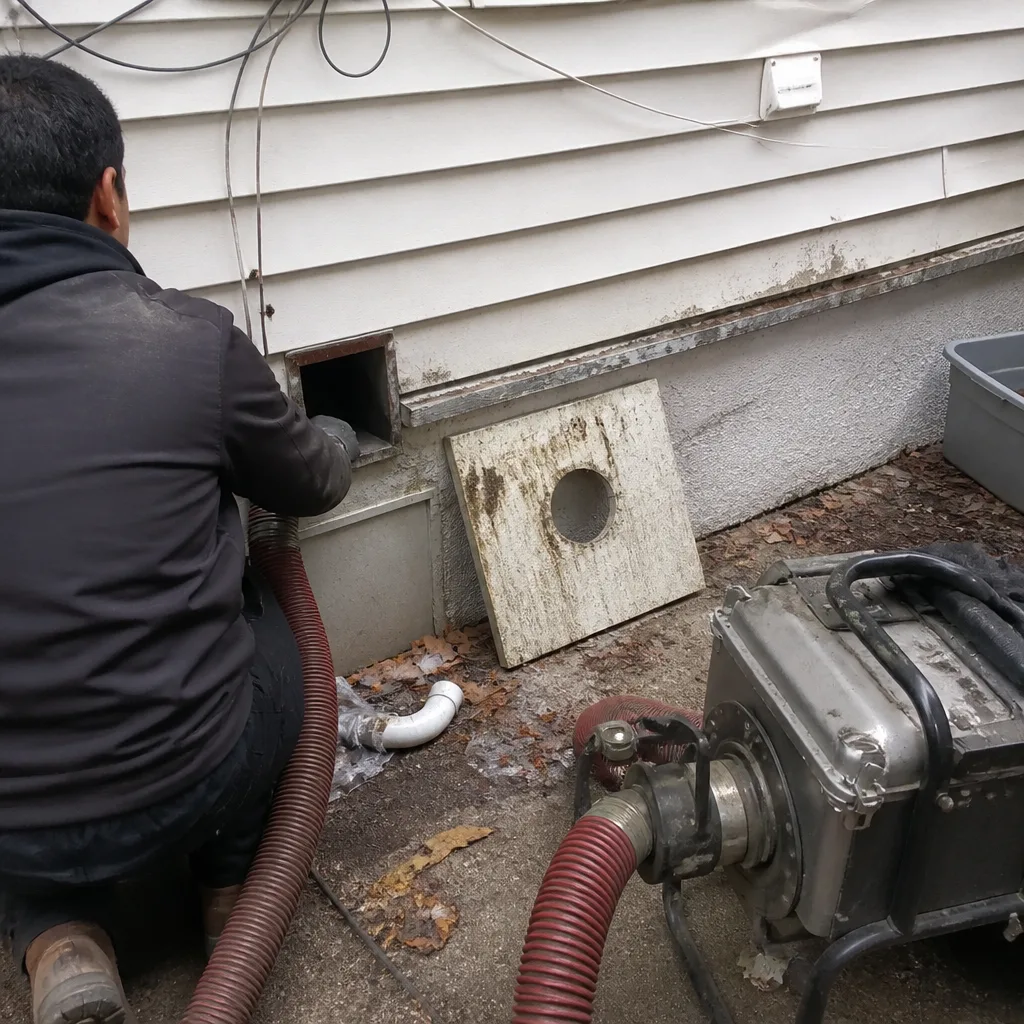 Before
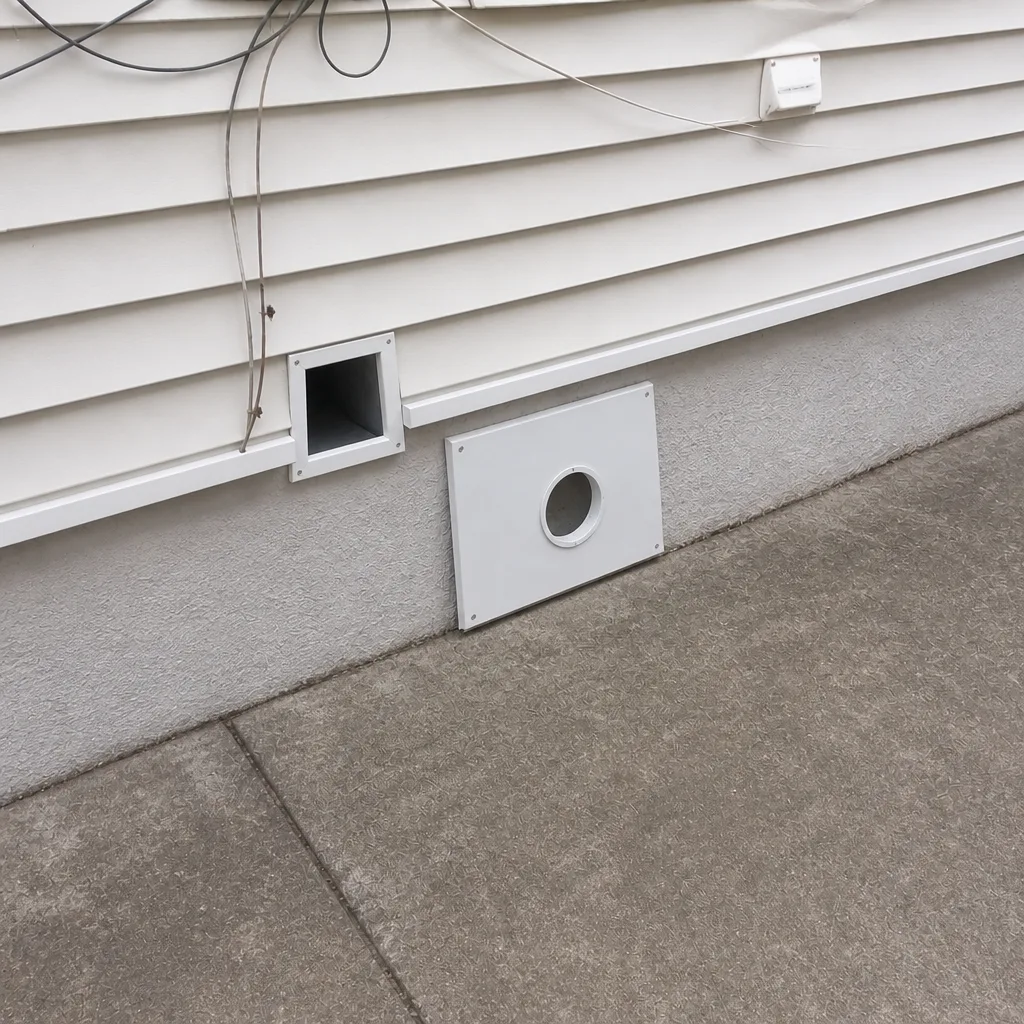 After
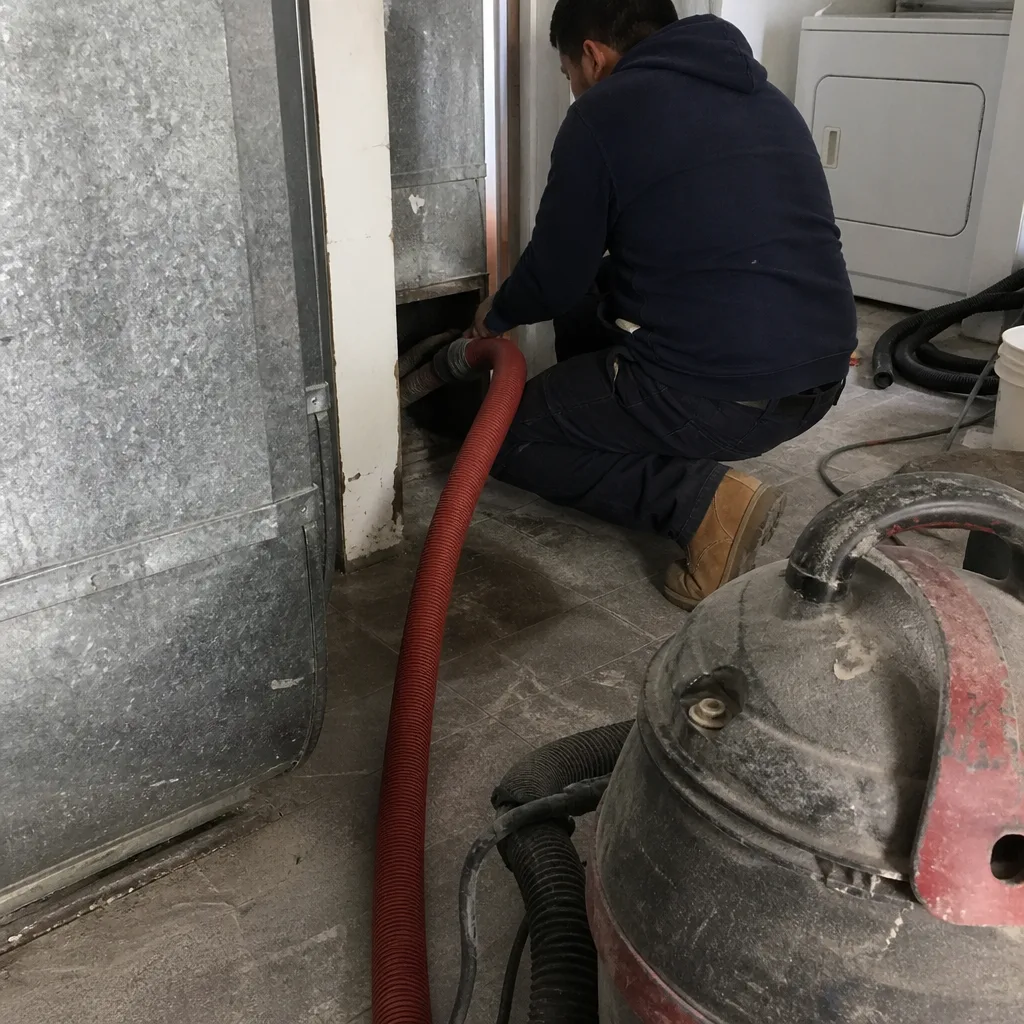 Before
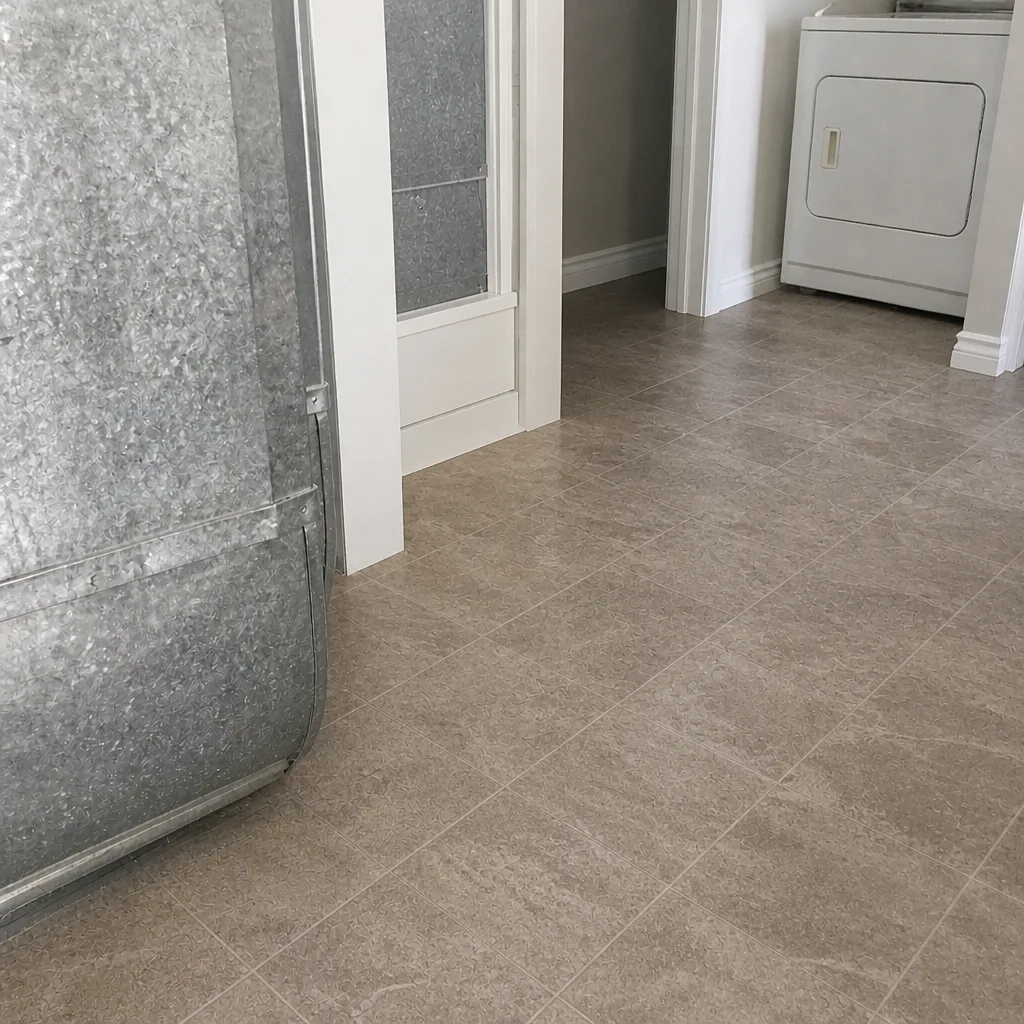 After
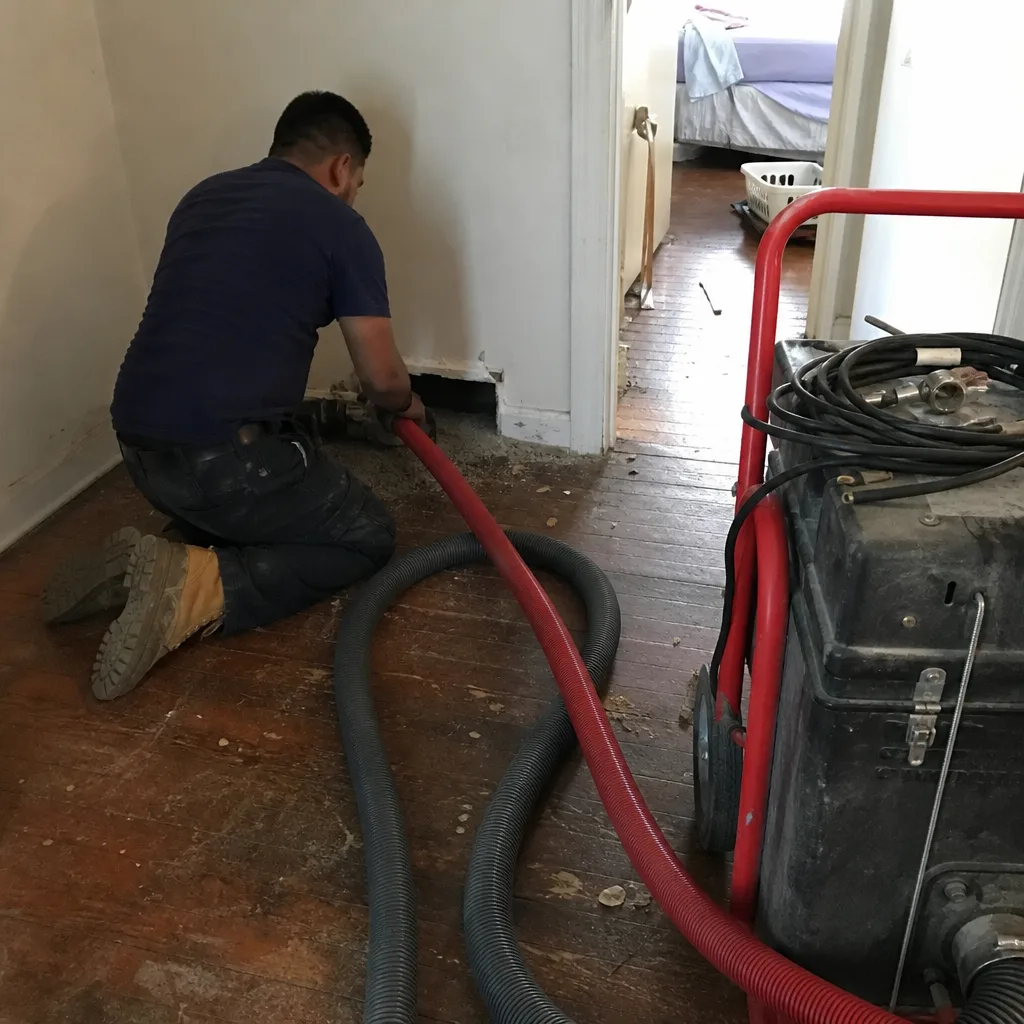 Before
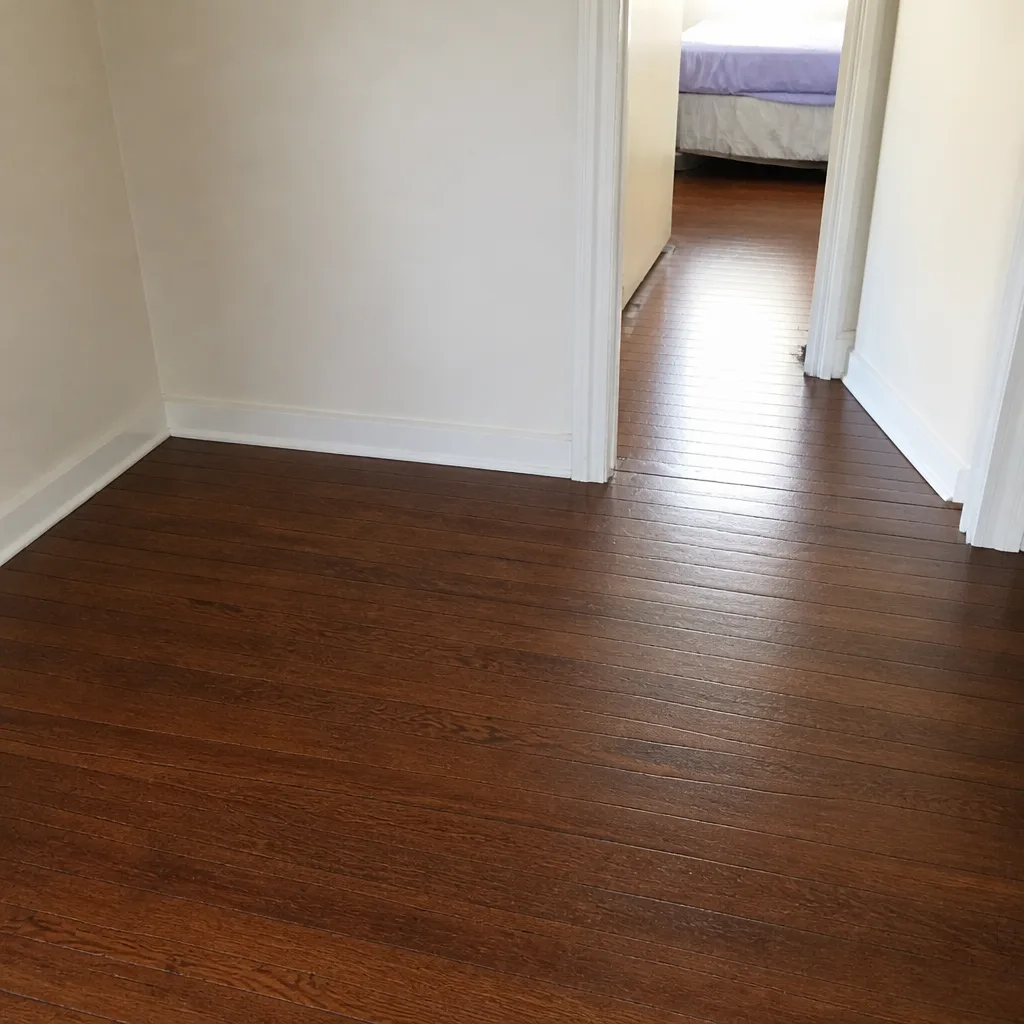 After
Common Mistakes to Avoid
- Assuming the HVAC unit is the problem before the ducts are inspected. A unit can test perfectly and still deliver poor comfort if the ductwork is leaking or dirty. Get the ducts inspected before authorizing another round of HVAC tuning.
- Hiring a cleaning-only company for a sealing problem. If your issue is leaks at joints and seams, cleaning will make the ducts look better but won’t fix the temperature and energy problems. In older East New York homes with original ductwork, this is the most expensive version of the mistake.
- Trusting a coupon as a full quote. A low teaser price that grows once the technician is on site is the classic duct-cleaning complaint. Ask for one flat price per system, agreed before work starts, in writing.
- Skipping the dryer vent because the ducts are being cleaned anyway. The dryer vent is often on a completely different path than the HVAC ducts and needs its own inspection. A house with clean ducts can still have a clogged dryer vent.
- Assuming “three to five years” applies to every home. Urban particulate load, pet dander, recent renovations, and basement moisture all shorten the interval. In East New York’s denser environment, homes often need attention sooner than the national average suggests.
- Ignoring the musty smell after cleaning. If odor returns after a cleaning that didn’t include sanitizing, the biological growth wasn’t fully treated. Cleaning removes the debris; sanitizing treats the surface.
- Choosing on price alone for safety-critical work. For dryer vents especially, the cheapest option isn’t the right benchmark. The risk is real and the fix is mechanical, not cosmetic.
When to Call a Professional
Call a professional when any of these apply:
- You’ve already paid for HVAC service and the original symptom is still there.
- A room has no airflow at all, or you hear whistling or rattling from the ducts.
- You smell mustiness on startup that comes back after cleaning.
- Dust settles within a day or two of a home cleaning, repeatedly.
- The dryer takes noticeably longer than it used to dry a load.
- You’re moving into an older East New York home and don’t know when the ducts or dryer vent were last serviced.
- You’ve had renovations and don’t know how much construction dust went into the system.
Air Duct Cleaning East New York offers free estimates in East New York – call (833) 362-3254. We answer 24/7. Fast dispatch from 7am to 7pm, Sunday through Friday. One flat price per system, agreed before work starts, and before-and-after photos of your own ducts so you know the work was done.
Frequently Asked Questions
If your airflow and temperatures are even but dust and odor persist, you likely need cleaning. If rooms are uneven, the system is soft on airflow, or energy bills are climbing with no usage change, you likely need sealing. A camera inspection confirms which before any work starts.
The blower is pushing air across moisture or biological growth inside the duct, and the odor fades once that air disperses. In East New York, basement dampness is the usual root cause. Cleaning plus sanitizing addresses both the growth and the surface it’s growing on.
No. A shop vac can’t reach past the first section of a run, can’t agitate debris bonded to duct walls, and can’t capture fine particulate without pushing it into the room. Professional contact cleaning and high-efficiency extraction systems – like Rotobrush and Nikro – are a different class of tool entirely.
There’s no single interval. Urban homes with pets, basement moisture, or recent renovations typically need attention more often than the national “every three to five years” suggestion. A camera inspection tells you what your specific system needs rather than what a generic guideline says.
It’s necessary. The NFPA cites dryer vent lint as a leading contributor to residential fire risk, and a clogged vent also shortens dryer life and increases energy use. We treat it as a dedicated service with proper extraction equipment, not an add-on.
Cleaning alone rarely moves energy bills much – the comfort gains are real, but the bill impact is limited. Sealing is what typically affects energy use, because it stops conditioned air from escaping through leaks. That’s why we diagnose before we clean, so you’re fixing what’s actually causing the problem.
The Bottom Line
Most duct problems aren’t HVAC problems – they’re duct-side failures, and the fix depends on which kind you have. Cleaning handles contamination. Sealing handles leaks. Repair handles structural damage. Reading your own symptoms correctly tells you which category you’re in before you call anyone, and a camera inspection confirms it before any work starts. In East New York’s older housing stock and dense urban air, that distinction makes an even bigger difference. Clean, sealed, sanitized – that’s the standard, and it’s the one that actually solves the problem the first time.
Call (833) 362-3254 for a free estimate. We answer 24/7. Fast dispatch from 7am to 7pm, Sunday through Friday. Our technicians have up to 13 years of experience, and we use Rotobrush and Nikro professional-grade equipment on every job.
Written by the team at Air Duct Cleaning East New York.